

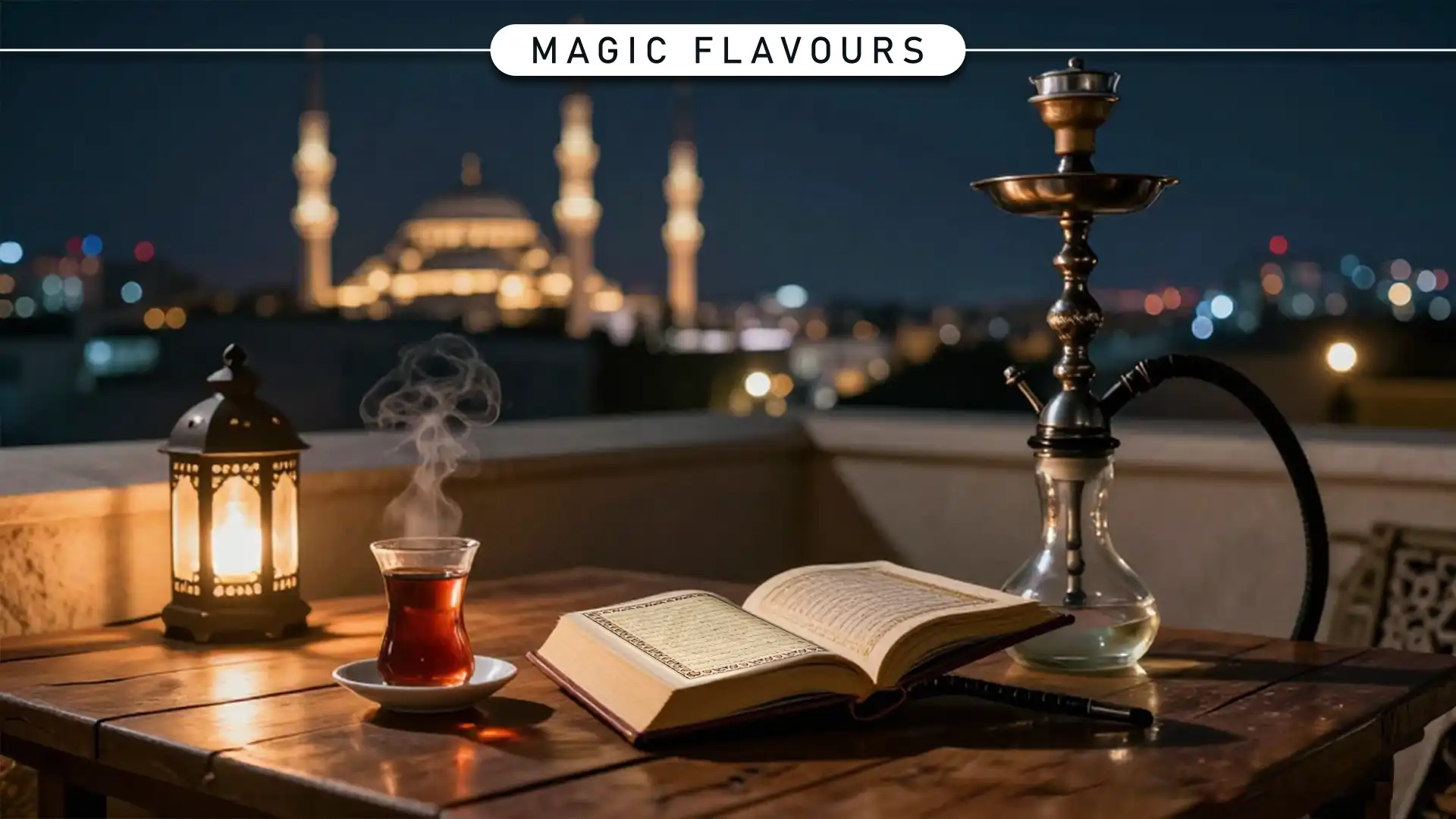
Ramadan stands as one of the most sacred months in the Islamic calendar. Muslims worldwide observe this holy period with devotion and self-discipline. They fast from dawn until sunset each day for 29 or 30 days. This practice commemorates the revelation of the Quran to Prophet Muhammad. Fasting builds empathy for those in need, strengthens spiritual connection, and promotes self-control. in this article we will find out about the Ramadan Shisha Sales and its popular flavours.
During Ramadan, observant Muslims refrain from eating, drinking, smoking, and intimate relations from Fajr (dawn) until Maghrib (sunset). The fast begins after the pre-dawn meal called Suhoor. People eat Suhoor to sustain energy throughout the long day. The fast ends with Iftar at sunset. Families and communities often break the fast together with dates, water, and a hearty meal. These two meals frame the daily rhythm and highlight the importance of timing and moderation.
Beyond spiritual aspects, Ramadan transforms social and leisure habits after sunset. Many gather in cafes, tents, or homes to relax and connect. Shisha sessions become popular during these evening hours. People enjoy flavored shisha as part of post-Iftar socializing. This trend boosts demand for shisha products from Iftar until late into the night before Suhoor. The article explores how Ramadan influences shisha sales and flavor choices in this vibrant nighttime culture.
1. How Ramadan Affects Shisha Sales in Muslim Regions
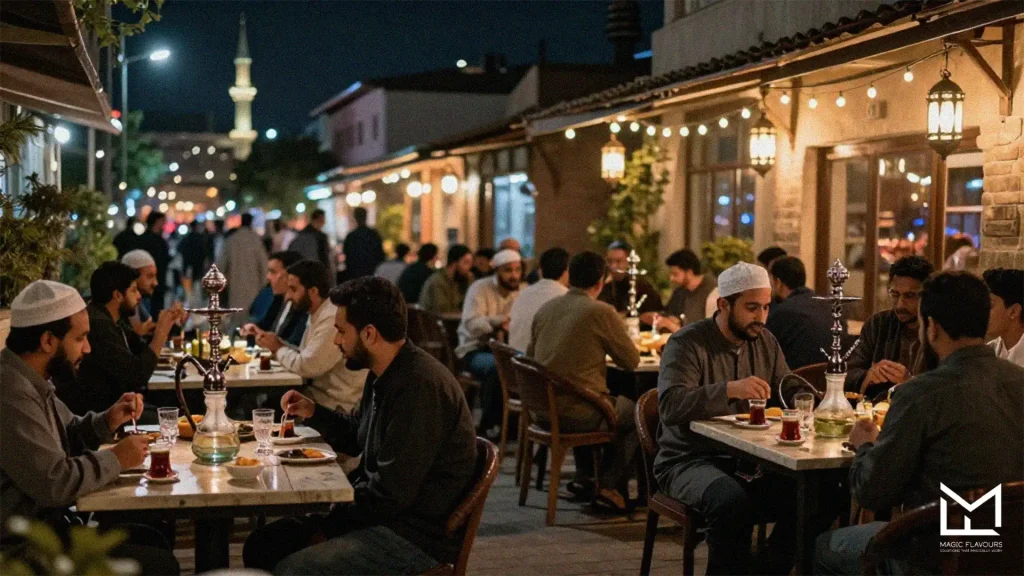
Muslims in regions where Ramadan holds deep cultural significance strictly avoid smoking and shisha use from Suhoor until Iftar. Observant individuals refrain from all forms of tobacco consumption during daylight fasting hours to maintain the purity of their fast. This rule applies across homes, cafes, and public spaces in Muslim-majority countries. Many shisha lounges close during the day or limit operations to non-smoking activities. People focus entirely on spiritual reflection, work, and family responsibilities without any indulgence in shisha. As a result, daytime sales drop sharply compared to ordinary months.
The extended fasting period directly influences shisha sales patterns throughout Ramadan. Businesses experience a significant decline in revenue during daylight hours because customers cannot smoke while fasting. Sales rebound strongly after sunset when the fast breaks at Iftar. Cafes and lounges see a surge in visitors who seek relaxation and social connection in the evenings. Operators often extend opening hours late into the night to capture this demand. Overall monthly shisha consumption remains stable or even increases due to concentrated nighttime activity.
Demand for shisha shifts dramatically from daytime to nighttime during Ramadan. Regular customers who might enjoy shisha in the afternoon or early evening now wait until after Maghrib prayer. This change creates peak crowds from Iftar through the early morning hours before Suhoor. Establishments adjust by offering special Ramadan menus, longer sessions, and comfortable seating for extended gatherings. Families and friends gather more frequently after breaking their fast, which boosts group orders. The nighttime focus transforms shisha from a casual daytime activity into a cherished part of evening socializing and reflection.
2. The Shift from Daytime Restrictions to Night
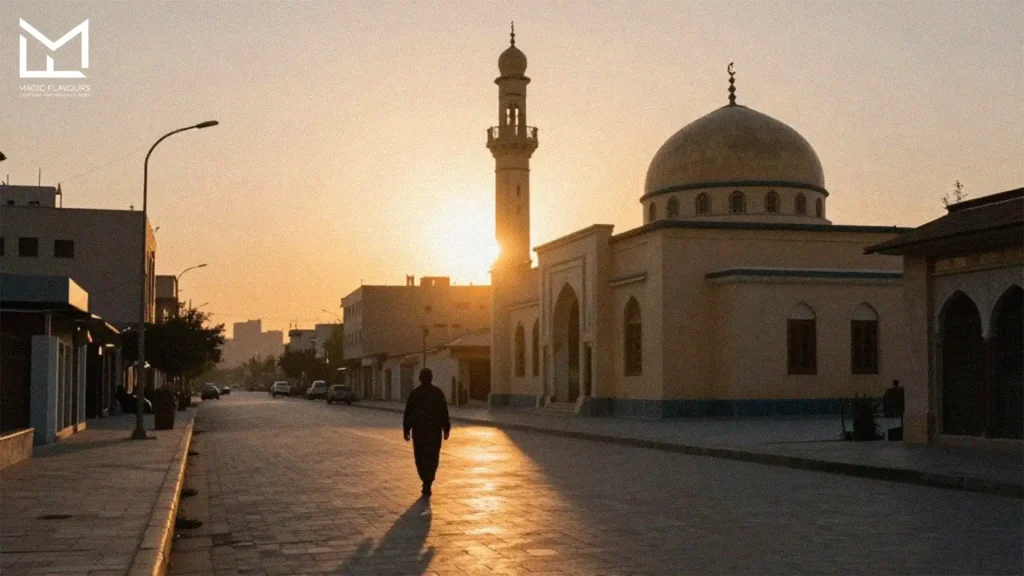
How Fasting Hours Reduce Daytime
Religious and cultural limitations completely halt shisha consumption during fasting hours in Ramadan. Muslims observe the fast by abstaining from food, drink, and smoking from dawn until sunset. This sacred rule prohibits any tobacco use, including shisha, to preserve spiritual purity and sincerity. Communities respect these guidelines, so individuals avoid shisha lounges or smoking at home throughout the day. Cultural norms reinforce this discipline, as people prioritize prayer, Quran recitation, and family duties over leisure activities. These deep-rooted practices ensure near-total absence of daytime shisha enjoyment.
Café traffic drops dramatically during daylight in Ramadan. Regular customers who visit lounges in the afternoon or early evening stay away to honor their fast. Many shisha venues experience empty seating and quiet atmospheres from morning until sunset. Tourists and non-fasting visitors sometimes appear, but they represent only a small fraction of usual crowds. Local patrons focus on work, rest, or mosque attendance instead of socializing at cafés. This sharp decline in footfall reduces overall daytime revenue for shisha businesses.
Businesses adjust their operating hours to match the new reality. Most shisha cafés close completely during fasting periods or open only briefly for non-smoking services like tea and snacks. Owners shift staff schedules to later shifts and prepare for evening rushes. Some establishments limit daytime access to takeaway food options. These changes help control costs and redirect resources toward the productive nighttime window. Operators recognize that daytime operations yield minimal returns under Ramadan restrictions.
Post-Iftar Demand Surge and Peak Night Consumption
Evening social gatherings flourish after Iftar as people seek connection and relaxation. Families and friends break their fast together, then head to shisha lounges or set up sessions at home. These gatherings extend late into the night with conversations, laughter, and shared moments. Shisha becomes a central element of this post-fast socializing. People unwind from the day’s discipline and enjoy the calm atmosphere under lights and music. Nighttime venues fill quickly with groups celebrating the successful fast.
Increased spending occurs between Iftar and Suhoor as customers indulge more freely. Individuals order multiple rounds of shisha after breaking their fast. They pair sessions with drinks, desserts, and light meals to enhance the experience. The longer available hours encourage extended stays, which naturally raise total bills. Many visitors treat these nights as special occasions and spend generously. This concentrated consumption period often compensates for the earlier daytime losses.
Premium and group consumption trends dominate the nighttime surge. Larger groups book tables and order bigger setups with multiple hoses for shared enjoyment. Customers frequently choose higher-quality charcoal and more elaborate flavor mixes during these sessions. Some opt for luxurious seating areas or private corners to accommodate friends and family. This preference for premium experiences drives up average order values. The communal nature of Ramadan nights turns shisha into a collective ritual that boosts both volume and revenue for businesses.
3. Ramadan Shisha Flavours Trends After Iftar
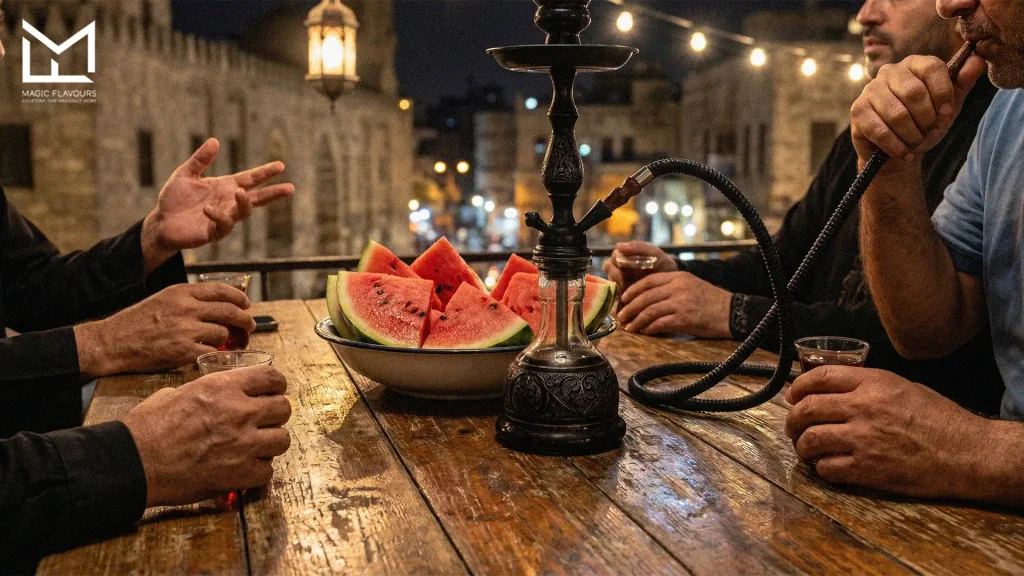
Popular Light and Refreshing Ramadan Shisha Flavours
Mint, citrus, and watermelon blends dominate choices right after Iftar. People crave these crisp profiles to revive their senses following a full day without food or drink. Mint delivers an instant cooling rush that clears the palate quickly. Citrus notes add bright, tangy bursts that feel invigorating and light. Watermelon brings juicy sweetness with subtle freshness, often mixed into combinations for balanced enjoyment. Customers frequently request these options in lounges to start their evening sessions smoothly. These flavors appeal widely because they counteract the dryness from fasting.
Cooling and hydrating profiles gain strong preference after fasting ends. The long hours without hydration make smokers seek shisha that refreshes the throat and mouth. Mint-heavy mixes provide an icy sensation that soothes and re-energizes. Blends with citrus or watermelon enhance this effect by mimicking natural hydration through their juicy, light character. Many opt for these to avoid heavy feelings during extended nighttime gatherings. This trend supports longer, more comfortable sessions from Iftar until late hours.
Traditional and Strong Shisha Flavours During Ramadan
Double apple remains a timeless favorite during Ramadan evenings. This classic blend combines rich apple notes with subtle anise undertones for a smooth, familiar taste. Regular patrons return to it for its comforting reliability after breaking the fast. Many lounges see steady orders for this flavor throughout the night. It holds strong appeal across generations and pairs well in group settings. Tradition keeps double apple at the forefront of choices year after year.
Sweet versus heavy blends create clear divides in preferences. Sweet options draw those who want indulgent, dessert-like experiences post-Iftar. Heavy profiles attract smokers seeking deeper, more intense sessions that last longer. Some alternate between the two to vary their evening. Others stick to one style based on mood or group consensus. This variety allows businesses to cater to diverse tastes during peak hours.
Dark leaf versus blonde leaf preference shifts noticeably in Ramadan. Dark leaf tobacco offers robust, longer-lasting flavors that suit extended nighttime use. Many choose it for stronger sessions after lighter daytime fasting. Blonde leaf provides milder, quicker smokes that align with refreshing post-Iftar needs. Some switch to blonde for easier breathing in warm evenings, while others favor dark for depth in cooler nights. This balance reflects how Ramadan influences both endurance and refreshment in flavor choices.
4. Regional Insights:Ramadan Shisha Flavours by Country
Ramadan Shisha Flavour Trends in the Middle East
Night-time café culture thrives vibrantly in the UAE, Saudi Arabia, and Qatar during Ramadan. People flock to upscale lounges, outdoor tents, and family-oriented venues right after Iftar. These spots extend hours deep into the night, creating lively atmospheres with comfortable seating, ambient lighting, and group gatherings. Socializing peaks as friends and families relax, share stories, and enjoy extended sessions before Suhoor. This vibrant evening scene drives high footfall and turns shisha into a key element of post-fast leisure.
Traditional flavours like double apple and mint hold strong appeal in these countries. Double apple offers a familiar, rich blend that many return to for comfort and nostalgia after fasting. Mint provides a crisp, refreshing lift that soothes the throat following long hours without hydration. Customers often choose these classics to start their night or mix them for balanced experiences. Their enduring popularity reflects deep cultural roots in Gulf hospitality.
Strong premium demand surges after Iftar as patrons seek elevated experiences. Groups opt for higher-quality setups, larger portions, and elaborate mixes to enhance shared enjoyment. This preference boosts spending on luxurious sessions in premium venues. Many choose robust, longer-lasting options that suit extended nighttime socializing. The focus on quality elevates overall consumption and supports thriving business during these holy nights.
Popular Flavours in North Africa
Egypt and Morocco maintain deep traditional preferences for shisha during Ramadan evenings. In Egypt, classic blends draw crowds to historic cafés where people gather post-Iftar. Morocco sees similar patterns with aromatic options that pair well with local teas and sweets. These countries blend heritage with social rituals, making shisha a staple for family and friend meetups after breaking the fast.
Stronger molasses-based flavours attract many smokers in these regions. Patrons favor intense, rich profiles that deliver depth and longevity for late-night sessions. These heavier options provide satisfying smoke that complements hearty Iftar meals. Many mix them to create bold tastes that stand out in bustling café environments. This choice reflects a preference for enduring, flavorful experiences throughout the night.
High social café engagement characterizes Ramadan nights here. Crowds fill venues for lively conversations and communal smoking. People extend stays to enjoy the atmosphere, leading to frequent group orders. This communal vibe increases overall participation and keeps lounges busy until early morning. Social bonds strengthen through these shared moments, boosting shisha’s role in cultural celebrations.
Ramadan Shisha Sales and Changing Flavour Preferences in Turkey and Western Markets
Fruit-forward and experimental flavours gain traction in Turkey and Western markets during Ramadan. Smokers explore vibrant options like berry mixes, citrus blends, and innovative combinations to refresh after fasting. These lighter profiles appeal in diverse settings, from urban lounges to home gatherings. Experimentation adds excitement to evening sessions and attracts varied crowds seeking novelty.
Youth-driven demand patterns shape preferences strongly. Younger users favor trendy, social-media-friendly choices that emphasize fun and variety. They drive sales toward modern blends and group experiences in casual venues. This demographic pushes for refreshing, easy-to-share options that fit lively nighttime vibes. Their influence keeps flavour offerings dynamic and responsive to evolving tastes.
Ramadan Shisha Sales and Flavour Preferences in Iran
Lower daytime public consumption prevails in Iran during Ramadan due to strict observance. Public venues limit or avoid shisha services from dawn to sunset to respect fasting rules. People prioritize spiritual activities and avoid tobacco in open spaces. This creates a quiet daytime period with minimal shisha activity outside private settings.
Higher evening and home-based Ramadan shisha sales emerge after Iftar. Families and close friends gather privately for relaxed sessions at home. These intimate settings allow comfortable enjoyment without public restrictions. Demand rises for personal setups that support extended nighttime use. Home consumption becomes a cherished way to unwind and connect.
Preference for traditional flavours persists with growing interest in fruit-mint blends. Many stick to classic profiles for familiarity and depth during evenings. At the same time, fruit-mint combinations attract those seeking refreshing twists post-fast. This mix balances heritage with lighter, hydrating options. Evolving choices reflect both tradition and modern refreshment needs in private Ramadan rituals.
5. Comparing Ramadan Shisha Sales with Other Months and Business Opportunities
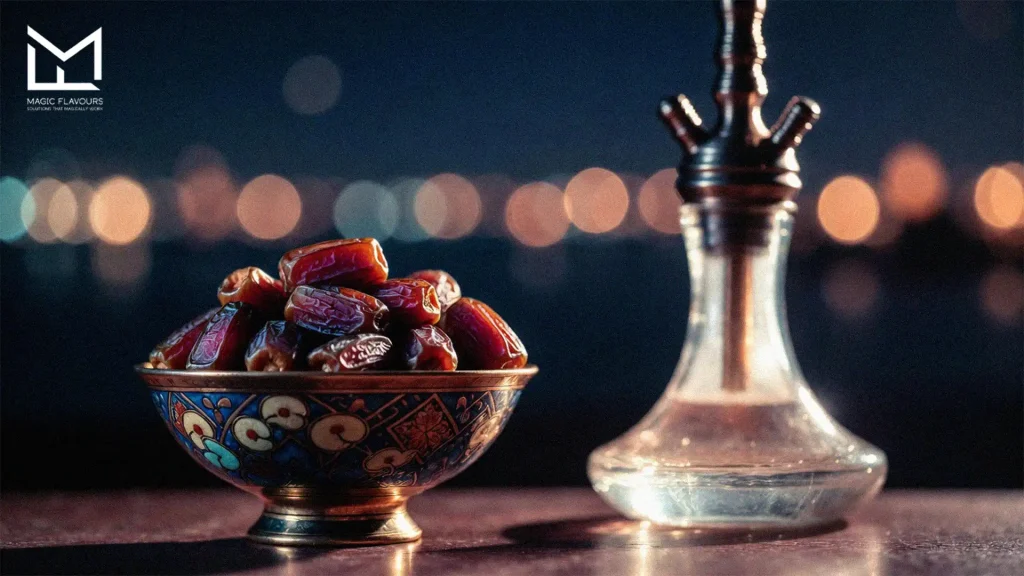
Shorter Selling Hours but Higher Night Ramadan Shisha Sales Volume
Ramadan compresses the revenue window into a shorter but more intense period each day. Businesses operate primarily from Iftar until just before Suhoor, which creates a focused four-to-six-hour peak instead of spreading sales across 12–18 hours in regular months. This concentration forces operators to maximize every minute of the night. Despite fewer operating hours, total nightly volume often matches or exceeds ordinary months because crowds arrive eager and stay longer. The compressed schedule turns evenings into high-density consumption periods where shisha sees rapid turnover.
Higher average order value emerges as a key advantage during these nights. Groups order larger setups with multiple hoses, extra charcoal, and additional flavors to share among friends and family. Customers add drinks, snacks, and desserts to complement their sessions, which naturally increases the bill per table. Many treat Ramadan evenings as celebratory occasions and spend more generously on premium experiences. This uplift in per-customer spending helps offset daytime losses and often leads to stronger overall profitability for well-prepared venues.
Boosting Ramadan Shisha Sales with Seasonal Shisha Flavours
Limited-edition flavours attract attention and drive repeat visits throughout the month. Operators introduce exclusive Ramadan-inspired mixes, such as date-infused blends, rose with saffron notes, or special fruit combinations that evoke festive traditions. These unique options create buzz and encourage customers to try something new after Iftar. The novelty factor prompts social sharing and draws in curious patrons who want to experience seasonal exclusives. Limited availability adds urgency and boosts demand during peak hours.
Bundle offers before Eid provide a strong closing push for sales. Businesses create attractive packages that include multiple sessions, flavored tobacco portions, or accessories bundled at a discount. These promotions encourage larger purchases as people stock up for final nights or prepare small Eid gatherings at home. Customers appreciate the value, which extends revenue right up to the end of Ramadan. Strategic timing keeps momentum high and transitions smoothly into post-Ramadan habits.
Night-focused marketing strategies help capture the full potential of evening crowds. Cafés promote special Ramadan menus, extended happy hours after sunset, and themed events through social media and local channels. They highlight refreshing post-fast options, comfortable seating for long stays, and family-friendly atmospheres to appeal to diverse groups. Targeted ads and influencer collaborations during iftar times remind people of nearby venues. These efforts direct traffic precisely when demand peaks and turn seasonal restrictions into profitable opportunities.
6. Conclusion
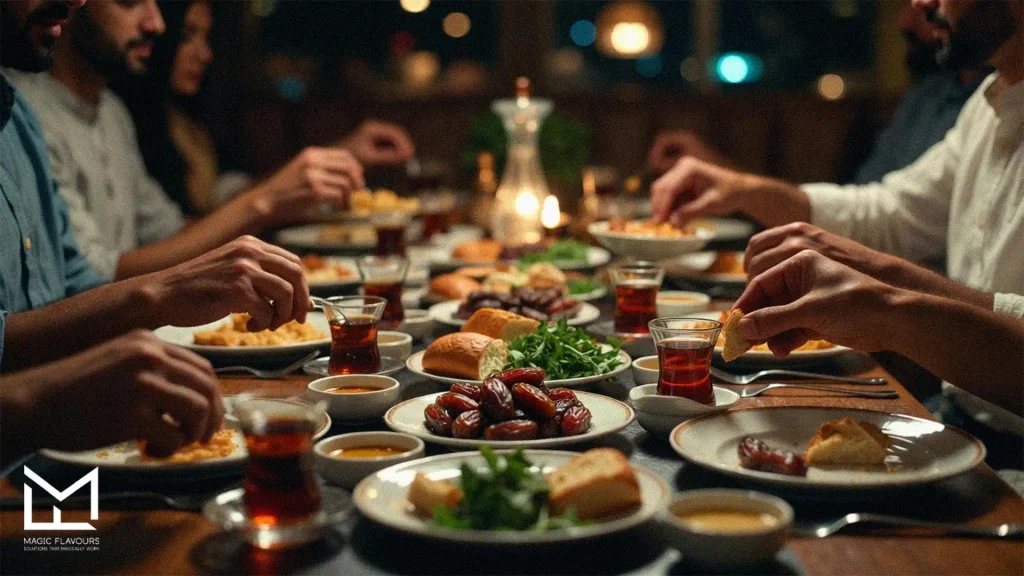
Daytime restrictions during Ramadan completely reshape shisha demand patterns across Muslim regions. Strict fasting rules eliminate all smoking from Suhoor until Iftar, which causes a sharp drop in daytime café traffic and sales. Businesses adapt by closing or limiting operations during daylight hours. This shift concentrates activity into the post-sunset window. Night-time consumption then drives substantial revenue as eager crowds gather after breaking their fast. Extended sessions, group orders, and higher spending per visit often compensate for earlier losses. Many venues achieve strong monthly performance through this intense evening focus.
Country-specific flavour preferences highlight cultural diversity and evolving tastes in Ramadan shisha culture. In the Middle East, traditional options like double apple and mint maintain strong popularity alongside premium demands. North African markets lean toward stronger molasses-based blends with high social engagement. Turkey and Western areas embrace fruit-forward and experimental choices led by younger users. In Iran, traditional flavours persist with growing interest in fruit-mint blends, mostly enjoyed in private home settings. These regional differences create strategic growth opportunities for businesses. Operators who tailor seasonal menus, limited-edition offerings, and targeted night marketing capture increased demand effectively. Ramadan transforms challenges into profitable periods for those who understand and adapt to its unique rhythms.
 English
 Arabic
 Turkish
 Persian