

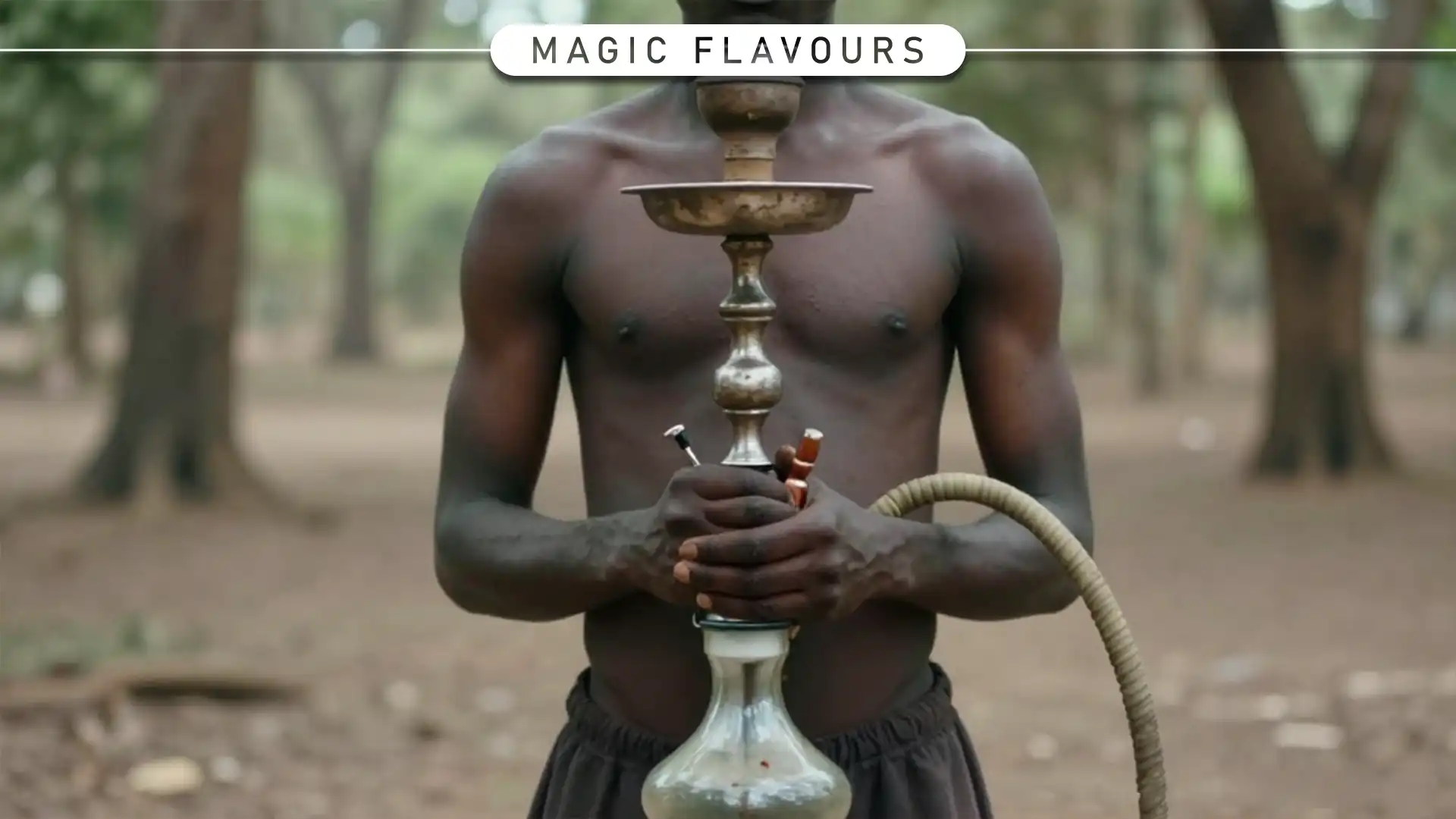
North African shisha flavors carry rich traditions from countries like Egypt, Morocco, and Tunisia. Enthusiasts in Egypt often enjoy classic double apple, which blends sweet apple notes with subtle anise and licorice tones. Moroccan sessions frequently pair fruit-based shisha with refreshing mint tea, while Tunisians experiment with trendy mixes like watermelon or cherry. These flavors emphasize aromatic herbs, fruits, and cooling elements that create relaxed social experiences.
Businesses now adapt these authentic North African profiles to suit local tastes in Western markets or other regions. Global hookah trends show strong demand for milder, sweeter, and fruit-forward options that appeal to new smokers. Manufacturers introduce fusions, such as adding mint to traditional spice blends or incorporating popular local fruits, to make the experience more approachable and less intense.

Successful adaptation balances heritage with innovation. You maintain core North African elements like rose, cardamom, or citrus while softening bold spices or enhancing sweetness. This approach attracts diverse customers and keeps cultural authenticity alive in modern lounges and home setups.
1. Exploring African Shisha Tastes
Overview of North African Shisha Flavors
North African countries embrace distinct shisha profiles that highlight local preferences and traditions. In Egypt, double apple (also called two apples) dominates as the iconic choice. This flavor combines sweet red and green apple notes with subtle licorice and anise undertones for a bold, classic taste. Many Egyptians enjoy it in traditional cafes alongside tea or conversation. Mint and grape also rank highly, often mixed for refreshing sessions.
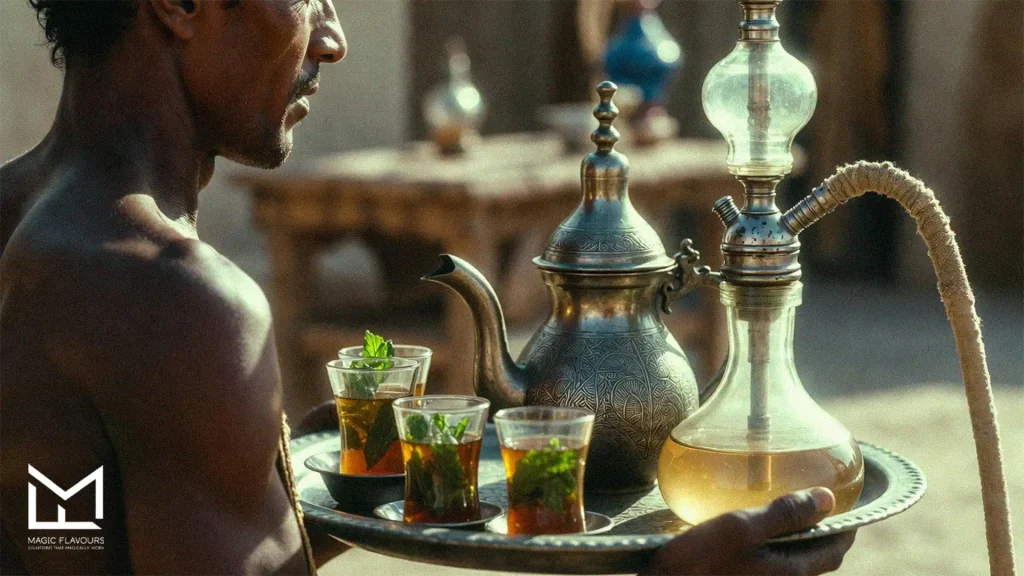
Morocco favors cooling and herbal elements that pair well with its famous mint tea culture. Mint alone or fruit-mint blends like lemon mint or orange mint create light, invigorating experiences. Cafes in Marrakech and Casablanca serve these flavors to enhance social gatherings. Fruit-forward options such as apple or berry appear frequently, reflecting a preference for milder, aromatic smokes.
In Tunisia, younger smokers drive experimental trends with trendy mixes. Watermelon, cherry, and cappuccino gain popularity in urban lounges. These choices add modern twists to sessions. Algeria and Libya share similar patterns, leaning toward classic fruit profiles like grape, apple, and mint. Double apple remains a staple across the region, while local variations incorporate citrus or herbal notes for balanced enjoyment.
Cultural and Culinary Influences on Taste
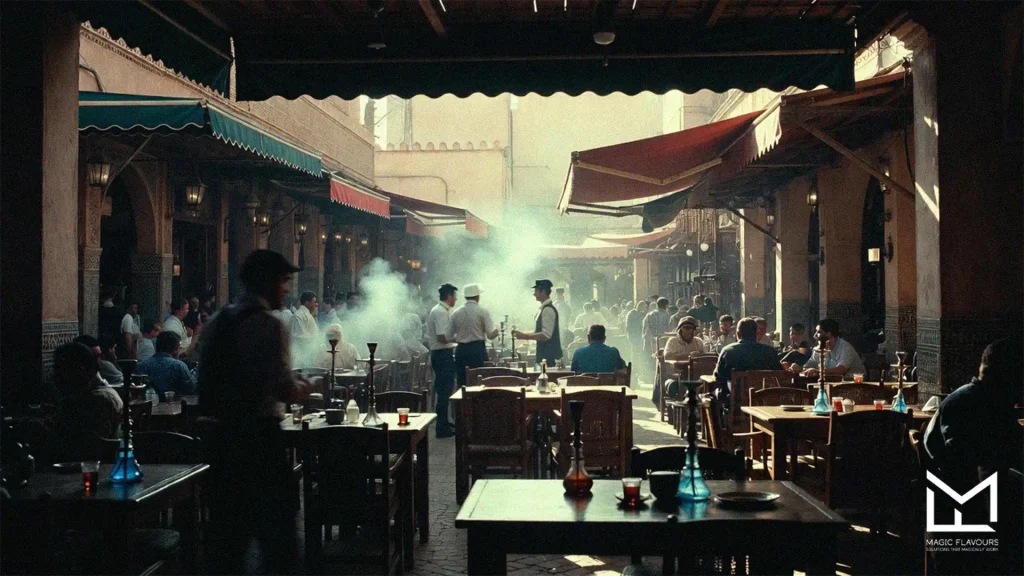
Local culture shapes shisha flavors deeply in North Africa. For example, Egyptians view hookah sessions as essential social rituals in ahwas (cafes). Consequently, they prefer strong, aromatic profiles like double apple that complement long conversations and mint tea. In this way, this tradition ties flavors directly to hospitality and community bonding.
Moroccans integrate shisha with their renowned mint tea custom. For instance, fruit-mint combinations refresh the palate and align perfectly with Berber and Arab influences. Moreover, cafes blend these elements skillfully to create relaxed, welcoming atmospheres. As a result, hospitality plays a central role, since hosts generously offer shisha to guests, which makes mild, tea-friendly tastes the preferred choice.
Tunisians and Algerians experiment more due to youthful cafe scenes. Trendy fruits and dessert-inspired mixes reflect Mediterranean and modern global touches. Culinary traditions emphasize fresh herbs, citrus, and sweets, so shisha flavors often echo local dishes. These influences keep profiles approachable yet rooted in regional identity.
Religious and Regional Considerations
Islam predominates in North Africa, so halal compliance matters for shisha tobacco. Many brands ensure products avoid alcohol-based flavorings or non-halal additives to meet religious standards. Smokers seek certified halal options, especially in devout communities. Religious views on tobacco itself vary, with some scholars deeming it harmful and discouraged, yet cultural acceptance persists in social contexts.
Urban areas feature diverse, modern shisha scenes. For example, cities like Cairo, Tunis, and Casablanca offer trendy lounges with experimental flavors and fusions. In particular, young people drive demand for sweeter, fruitier profiles. By contrast, rural regions stick to traditional tastes. Classic options like mint or double apple prevail in villages, where sessions focus on heritage and simplicity. Ultimately, availability and social norms influence these differences across regions.
2. Popular North African Shisha Flavors

Moroccan Tea – A Popular North African Shisha Flavor
Moroccan tea inspires a beloved shisha flavor that captures the essence of traditional North African hospitality. Smokers enjoy this refreshing profile, which features strong mint notes from fresh spearmint leaves. Subtle herbal undertones add depth, mimicking the green tea base often sweetened with honey or sugar. Many lounges serve this flavor to complement actual mint tea sessions.
This blend delivers a cool, invigorating smoke that feels light and aromatic. You inhale crisp menthol-like freshness first, then detect faint tea-like earthiness on the exhale. Brands like Azure Moroccan Tea or Musthave Morocco highlight bold mint paired with citrus hints, creating an authentic experience. Enthusiasts mix it solo or with fruits for extended, relaxing sessions.
Herbal Shisha Flavors
North Africans favor aromatic herbs in shisha blends that echo regional culinary traditions. Mint leads as the top choice, offering cooling freshness that soothes the palate during long social gatherings. Rose adds floral elegance, while cardamom brings warm, spicy complexity to many mixes.
Smokers often select pure herbal profiles or fusions like mint-rose or cardamom-spice. These options provide gentle, non-overpowering aromas that align with Middle Eastern and Maghrebi preferences for balanced, fragrant smokes. Popular brands incorporate these elements to maintain cultural authenticity while appealing to modern tastes.
Mango & Passion Fruit Shisha
Tropical fruity flavors gain traction in North African shisha scenes with mango and passion fruit blends. Mango delivers rich, sweet juiciness that evokes ripe summer fruit. Passion fruit adds a bright, tart edge for perfect sweet-tart balance.
This combination creates vibrant, bold profiles that refresh without overwhelming intensity. Smokers appreciate the juicy inhale and tangy finish in lounges across the region. Brands experiment with these fruits to attract younger audiences seeking bold yet approachable options.
Citrus & Spice Shisha
Lively citrus mixes invigorate North African shisha with bright, zesty notes. Lemon, orange, or grapefruit provide sharp freshness that cuts through thicker smoke. Traditional spices like cardamom or subtle cinnamon add warmth and depth.
This fusion reflects Moroccan tea influences, where citrus enhances herbal elements. You experience tangy bursts upfront, followed by cozy spice layers on the exhale. Such blends suit social settings, offering energetic yet comforting sessions that nod to local culinary roots.
Coconut & Prickly Pear Shisha
Creamy coconut pairs intriguingly with prickly pear for an bold North African-inspired combination. Coconut brings smooth, milky richness that softens the smoke. Prickly pear, also known as cactus pear, contributes sweet, subtle fruitiness with mild tang.
This blend creates a unique, indulgent profile that feels luxurious and balanced. Smokers enjoy the creamy texture alongside uncommon notes reminiscent of regional desert fruits. It appeals to those exploring fusions that blend tropical creaminess with local flair.
Icy Prickly Pear Shisha
Refreshing icy prickly pear delivers fruity excitement with a cooling twist. Prickly pear offers juicy, slightly tangy cactus fruit notes that taste mellow and sweet. The icy element adds menthol-like chill for invigorating sessions.
This flavor refreshes the palate with tangy fruit upfront and frosty finish. North African enthusiasts appreciate its bold yet approachable profile, especially in warmer climates. It stands out as a modern take on regional fruit traditions.
General Fruity Shisha Flavors
North Africans show strong preference for fresh, natural fruit profiles in shisha. For example, classic options like grape, apple, and watermelon dominate, and people often enhance them with mint for added refreshment. Moreover, double apple remains iconic across Egypt and beyond.
In addition, smokers favor clean, juicy tastes that feel authentic and easy to enjoy. These fruits provide straightforward sweetness without heavy complexity. As a result, blends highlight ripe, vibrant notes that suit casual cafe culture and home setups alike.
3. Adapting North African Shisha Flavors for the Market

Adjust Sweetness, Spice, and Herbal Intensity
Manufacturers fine-tune sweetness levels carefully to match local preferences in different markets. For instance, North African classics like double apple often feature bold licorice and anise notes along with moderate sweetness from molasses. However, in Western or international markets, brands reduce intense spice and herbal strength intentionally to create milder profiles. As a result, this adjustment makes flavors more approachable for beginners who prefer sweeter, less overpowering tastes.
You increase sweetness slightly while dialing back sharp herbal or spicy elements in fusions. For example, mint-heavy Moroccan tea blends gain extra sugar or fruit accents to soften cooling intensity. Popular adaptations keep core authenticity but enhance dessert-like qualities, as seen in global trends favoring fruit-forward and creamy options. This balance attracts diverse customers without losing cultural roots.
Smokers experience smoother sessions with these tweaks. Reduced spice prevents overwhelming the palate, while adjusted sweetness boosts repeat appeal. Brands test variations to suit regional demands, ensuring North African flavors remain enjoyable across cultures.
Incorporate Local Ingredients
Brands add familiar local ingredients to bridge North African shisha with new markets. Dates provide natural sweetness and caramel-like depth that echoes regional favorites in Morocco and Egypt. You blend date notes into fruit or herbal mixes for a subtle, authentic twist that feels comforting.
Mint remains versatile, but infusions with local twists like citrus or herbs appeal broadly. Prickly pear adds bold, tangy fruitiness reminiscent of North African landscapes. Some creators experiment with olive-inspired savory hints in creative fusions, though fruit-dominant versions dominate.
These incorporations create hybrid profiles that honor heritage. Enthusiasts enjoy recognizable elements like date sweetness alongside popular global fruits. This strategy expands appeal while preserving North African identity in lounges worldwide.
Modify North African Shisha Flavors for Appeal
You adapt strong or unfamiliar flavors to suit local tastes effectively. Traditional double apple carries prominent licorice and anise that some find too bold outside the region. Brands soften these notes or pair them with sweeter fruits like melon or berry for broader acceptance.
Mint and herbal profiles from Morocco receive cooling enhancements or fruit additions to reduce intensity. Unfamiliar spices like cardamom get lightened or blended with dessert elements. This creates approachable versions that retain essence but avoid overwhelming new smokers.
Successful modifications focus on balance. You maintain aromatic depth while introducing milder sweetness or refreshment. Global lounges offer these adapted classics alongside originals, allowing gradual exploration and building customer loyalty.
Consider Texture and Smoke Strength
Adjustments to texture and smoke strength enhance the overall experience for varied markets. North African shisha often uses dense molasses blends for thick, flavorful clouds. You lighten density in adaptations by increasing glycerin or fine-tuning cuts for smoother, easier draws that suit casual smokers.
Mixability improves with these changes. Finer tobacco packs evenly and heats consistently, producing reliable clouds without harshness. Reduced strength prevents quick fatigue during longer sessions popular in Western settings.
You prioritize comfortable smoking. Lighter textures and milder clouds make North African-inspired flavors inviting. This focus on experience helps integrate traditional profiles into diverse lounge menus and home use.
4. Evaluating Shisha Flavors in the North African Market
Conducting Taste Tests with Local Consumers
Brands conduct taste tests with local consumers to gauge authentic reactions in North African markets. You organize sessions in traditional cafes or lounges in cities like Cairo, Marrakech, and Tunis. Participants sample adapted versions of classics such as double apple, Moroccan mint tea, or prickly pear blends alongside originals. This direct approach reveals preferences for sweetness, spice intensity, and herbal notes among diverse groups, including regulars and younger smokers.
Testers provide immediate feedback on aroma, flavor balance, and aftertaste. Enthusiasts often favor bold yet balanced profiles that align with cultural traditions, while newcomers prefer milder, fruitier options. Companies use structured surveys or group discussions to collect detailed insights. These tests help identify tweaks, such as reducing licorice in double apple for smoother appeal or enhancing mint freshness in tea-inspired flavors.
Successful taste tests build consumer trust and refine products before wider release. You select representative participants from urban and rural areas to capture broad preferences. Results guide final formulations, ensuring adapted North African shisha resonates deeply in its home markets.
Pilot Launches in Key Cities
Companies launch pilot versions in key North African cities to test market response under real conditions. You introduce limited batches in high-traffic spots like Cairo’s ahwas, Marrakech cafes, or Tunis lounges. These trials feature adapted flavors with adjusted sweetness or local fusions, such as date-infused fruit mixes or lighter citrus-spice blends.
Pilots run for weeks or months, allowing observation of sales, repeat purchases, and social buzz. Staff track which profiles sell fastest and receive positive comments from regulars. Urban locations provide quick feedback from trend-savvy younger crowds, while established cafes reveal loyalty to traditional tastes.
This strategy minimizes risk and highlights winners. Brands expand successful pilots to more venues or regions based on strong performance. Key cities serve as proving grounds, confirming that adaptations maintain cultural appeal while attracting new users.
Collecting Feedback to Refine Flavors
You collect ongoing feedback to refine North African shisha flavors effectively. After taste tests and pilots, brands gather input through surveys, social media polls, and direct cafe conversations. Customers rate aspects like cloud thickness, flavor longevity, and overall enjoyment.
Feedback loops drive iterations. For instance, if testers note overly intense herbal notes, manufacturers reduce spice levels or add complementary sweetness. Positive comments on refreshing mint or uncommon prickly pear guide emphasis on those elements in future batches.
Refinements create stronger market fit. Companies analyze patterns across demographics to balance tradition with modern demands. Continuous collection ensures flavors evolve, keeping North African shisha vibrant and competitive in dynamic local scenes.
5. Presenting North African Shisha Flavors
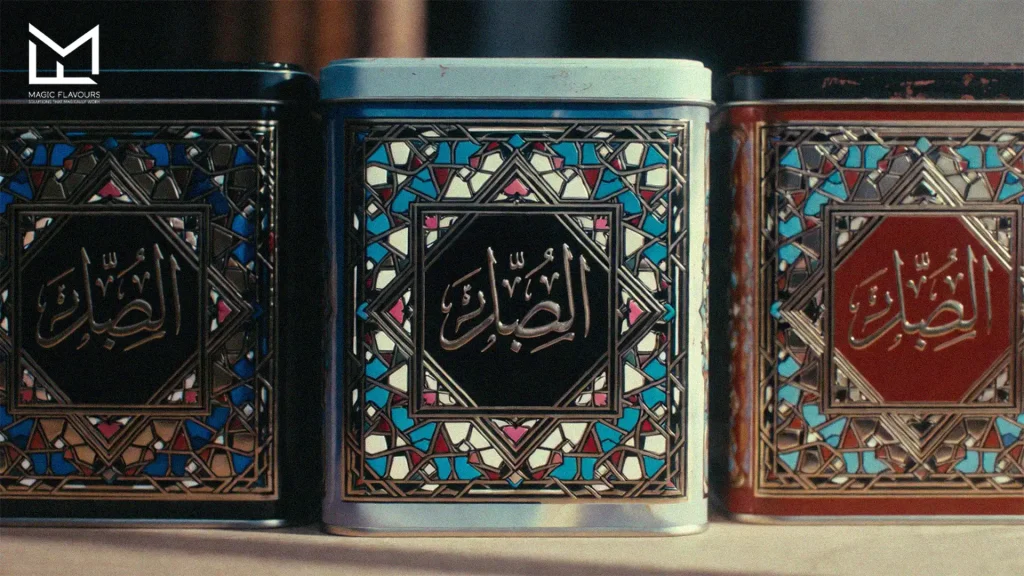
Brands design packaging to protect freshness while highlighting North African heritage in attractive ways. You use tins, jars, or pouches that block air, moisture, and light effectively. Premium options like metal tins or glass jars preserve molasses-based tobacco quality for longer shelf life. Many incorporate vibrant colors, Arabic calligraphy, or geometric patterns inspired by Islamic art to evoke cultural roots from Egypt, Morocco, and beyond.
You align branding closely with North African cultural elements in order to create authentic connections. For example, brands draw from hospitality traditions, where shisha accompanies social gatherings, mint tea, or cafe conversations. As a result, logos and visuals incorporate Berber patterns, Arabic script, or motifs from Moroccan riads and Egyptian ahwas to achieve instant recognition.
You communicate flavor authenticity through transparent descriptions and heritage storytelling. For example, brands highlight the use of premium tobacco leaves, natural molasses, and traditional blending methods from Egypt or Morocco. In addition, marketing materials emphasize handcrafted processes or regional inspirations, such as Moroccan mint tea or Egyptian double apple classics.
6. Final Thought
Adapting shisha flavors thoughtfully can maximize acceptance and brand loyalty in North Africa. You balance respect for deep-rooted traditions with smart adjustments that meet modern preferences. Classic profiles like double apple, Moroccan mint tea, and prickly pear carry strong cultural meaning in social settings across Egypt, Morocco, Tunisia, Algeria, and Libya. When brands fine-tune sweetness, reduce overwhelming spices, or incorporate familiar local ingredients such as dates or fresh citrus, these flavors become more welcoming without losing their authentic character.
Successful adaptation builds lasting connections with consumers. For instance, you conduct careful taste tests, run pilots in vibrant cities like Cairo and Marrakech, and listen closely to feedback from regulars and new smokers alike. As a result, this process ensures refinements enhance enjoyment—whether through smoother smoke, brighter fruit notes, or better cloud production—all the while honoring the hospitality and community spirit central to North African shisha culture. Thoughtful changes turn occasional users into loyal advocates who appreciate both heritage and innovation.
In the end, brands that prioritize genuine respect and continuous improvement thrive in this dynamic market. You create shisha experiences that feel familiar yet refreshed, strengthening ties to local identity. This approach not only drives acceptance but also fosters enduring brand loyalty as smokers return to flavors that truly resonate with their lives and traditions.
 English
 Arabic
 Turkish
 Persian