

Middle East Business Culture boasts a vibrant and distinct business environment shaped by deep-rooted traditions, hospitality, and social norms. Countries across the Gulf, Levant, and beyond prioritize face-to-face interactions, hierarchy, and mutual respect in professional settings. Businesspeople invest significant time in conversations, often over tea or coffee, before addressing deals directly. This approach fosters loyalty and long-term partnerships rather than quick transactions.
Strong personal relationships form the foundation of success here, far outweighing purely contract-driven methods common in Western cultures. Locals value trust, honor, and someone’s word as binding, so informal agreements often carry more weight than written documents alone. Professionals build rapport through repeated social exchanges, shared meals, and genuine interest in one another’s lives. Without this foundation, even solid proposals struggle to advance.
Shisha, or hookah, seamlessly integrates into this cultural ecosystem as a symbol of hospitality and relaxed bonding.
Friends, family, and business associates frequently share a shisha during informal gatherings, which helps strengthen connections in a calm atmosphere. This practice subtly supports relationship-building essential to deals.
This article delivers practical insights into shisha etiquette to help readers navigate these settings confidently. You gain tools to participate respectfully, avoid missteps, and enhance your professional presence in the region.
1. Understanding Middle East Business Culture
Core Values — Relationships, Trust, and Hospitality in Middle East Business Culture
Business professionals in the Middle East prioritize relationships over immediate transactions. They invest time to know partners personally before discussing deals. This focus builds loyalty and ensures long-term success. Trust develops through repeated interactions, shared experiences, and genuine interest in one another’s lives. Without strong personal bonds, even promising proposals face delays or rejection.
Trust acts as the cornerstone of professional dealings here. Locals view a person’s word and honor as highly binding, often more than formal contracts alone. Mutual respect and reliability guide decisions, so professionals demonstrate consistency and integrity from the start. Hospitality reinforces these values; hosts offer tea, coffee, or meals as gestures of goodwill. Accepting these invitations shows appreciation and strengthens connections effectively.
Indeed, hospitality stands out as a key cultural pillar that extends into business. Specifically, people welcome guests warmly to create comfortable environments for open dialogue. In doing so, this practice fosters rapport and signals respect, which paves the way for fruitful partnerships.
The Role of Informal Settings in Middle East Business Culture
Informal settings play a vital role in Middle East business networking. Professionals often conduct initial discussions over coffee, tea, or meals rather than in strict office environments. These relaxed gatherings allow natural conversations to flow. Small talk about family, travel, or interests helps build rapport before addressing work matters.
Face-to-face interactions in casual venues prove essential for establishing trust. Meetings may start late or include personal stories, yet this approach deepens understanding between parties. Invitations to share refreshments or join social events signal interest in a genuine relationship. Networking thrives in these spaces because they encourage openness and reduce formality barriers.
Shisha sessions frequently serve as ideal informal venues for bonding. Groups gather in cafes or majlis areas to relax and converse while sharing a hookah. This tradition promotes unhurried exchanges that reveal character and intentions. Participants use these moments to explore mutual goals subtly, turning social time into valuable professional groundwork.
Influence of Islam and Tradition on Professional Interactions
Islam shapes professional interactions across the Middle East profoundly. Islamic teachings emphasize honesty, fairness, and ethical conduct in all dealings. Professionals adhere to principles like avoiding deceit and honoring commitments, which align with Quranic guidance. Prayer times, Friday as the holy day, and Ramadan observances influence schedules and meeting availability.
Tradition reinforces hierarchy and respect in business settings. Elders or senior figures receive deference, and decisions often involve consultation. Family ties and community values carry over to workplaces, where loyalty and mutual support prevail. These elements encourage patient, relationship-focused approaches over rushed negotiations.
Islamic values promote generosity and hospitality as moral duties. Hosts extend kindness to guests as acts of faith, which directly supports business rapport-building. Respect for religious customs—such as modest dress or avoiding alcohol—demonstrates cultural sensitivity and earns credibility in professional circles.
2. Shisha as a Cornerstone of Middle East Hospitality
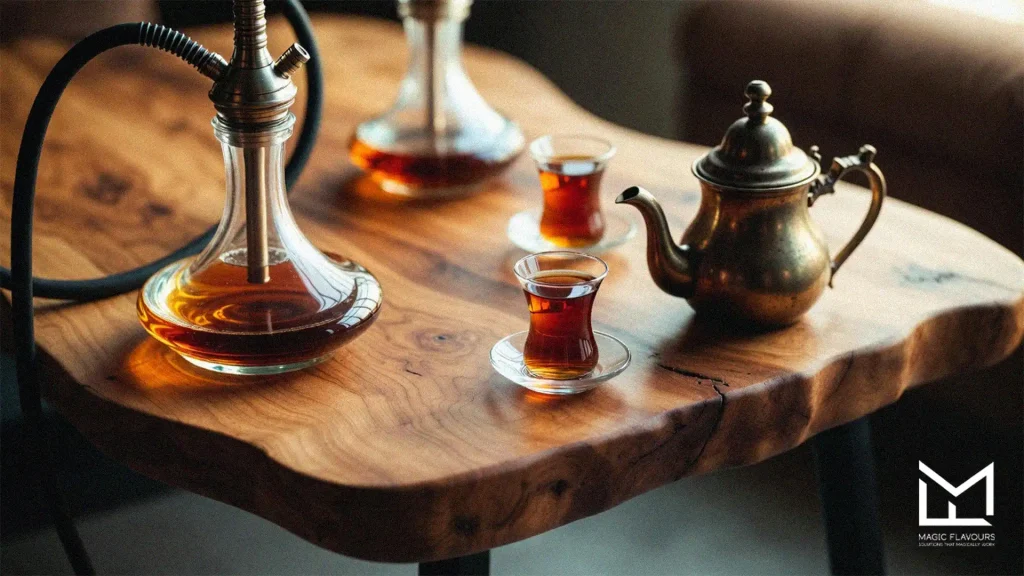
Historical and Cultural Significance of Shisha (Hookah)
Shisha, also known as hookah or narghile, originated in Persia (modern-day Iran) and India around the 16th century. It spread rapidly through trade routes into the Arab world, Turkey, Egypt, and North Africa. Early designs used simple materials like coconut shells, but artisans soon crafted ornate versions that reflected status and craftsmanship. This evolution turned shisha from a basic smoking tool into a cherished cultural artifact.
In Middle Eastern societies, shisha gained deep symbolic meaning over centuries. It became a symbol of hospitality, friendship, and relaxation amid hot climates. People gathered in cafes, homes, or majlis (sitting areas) to share the pipe, fostering community and unhurried conversation. The ritual emphasized social bonds, with sharing seen as an act of generosity and trust that strengthened relationships across generations.
Today, shisha remains embedded in traditions despite modern adaptations. Cafes in cities like Cairo, Beirut, and Istanbul serve as social hubs where people enjoy flavored tobacco in relaxed settings. This enduring practice highlights shisha’s role in preserving cultural identity while adapting to contemporary life.
Shisha in Social and Professional Settings
Shisha thrives in social gatherings across the Middle East, where friends and family share the pipe to build connections. Groups sit together in cafes or majlis, passing the hose while discussing life, politics, or daily matters. The slow pace encourages openness and deepens interpersonal ties in a calm atmosphere.
Moreover, professionals frequently incorporate shisha into networking outside formal offices. In many cases, informal meetings often move to shisha lounges or homes, where relaxed conversations reveal character and intentions. There, hosts offer shisha to create comfortable environments that facilitate trust-building essential for business partnerships. As a result, these settings blend leisure with subtle deal-making, since participants explore mutual interests naturally.
Shisha bridges social and professional worlds effectively. Business associates join sessions to strengthen rapport, turning casual puffs into opportunities for genuine dialogue. This integration supports the region’s preference for relationship-driven interactions over rushed negotiations.
Offering Shisha — A Gesture of Respect and Welcome in Middle East Business Culture
Hosts offer shisha as a warm sign of hospitality and respect in business contexts. When a host prepares and presents the pipe, they signal goodwill, trust, and a desire for meaningful connection. Accepting demonstrates appreciation and willingness to engage on personal terms, which strengthens professional bonds.
This gesture carries cultural weight, especially in Arab traditions. Offering shisha to guests or partners shows generosity and honor, much like serving coffee or tea. In meetings or gatherings, the host often starts the session or ensures everyone participates comfortably. Refusing politely requires tact to avoid offense, while accepting builds credibility.
Professionals view shisha-sharing as a pathway to successful dealings. The act fosters equality and openness during relaxed moments, helping navigate hierarchy subtly. Participants use these opportunities to discuss ideas without pressure, turning hospitality into a strategic tool for long-term partnerships.
3. Popular Shisha Flavors and Their Cultural Meaning in the Middle East Business Culture

Classic and Most Loved Shisha Flavors in the Region
- Double Apple
These timeless favorite blends sweet red apple with tart green apple and a strong licorice-anise note. It originated in the Middle East and remains the most iconic flavor, especially in Egypt. Locals associate it with hospitality, balance in life (sweet and sour), and welcoming guests warmly. - Mint
Pure mint delivers crisp, refreshing coolness that cleanses the palate. People often enjoy it alone or mixed to lighten heavier flavors. It symbolizes freshness and clarity in social gatherings across the region. - Grape
Rich, deep grape sweetness evokes traditional Middle Eastern fruits. Smokers frequently pair it with mint for smoother sessions. This flavor ties to regional heritage and relaxed, communal enjoyment. - Rose
Floral and aromatic rose provides a delicate, perfumed smoke popular in Persia and Turkey. It represents elegance and sophistication in shisha culture, often chosen for its calming, luxurious appeal. - Lemon-Mint
Zesty lemon combines with cooling mint for a bright, invigorating twist. This blend refreshes during long sessions and appeals widely for its balanced citrus freshness in hot climates.
How Flavors Enhance the Shared Experience
Classic flavors like Double Apple and Mint turn shisha sessions into meaningful social rituals. Participants pass the hose slowly, allowing tastes to unfold and spark conversations. The shared act builds trust and connection, as everyone experiences the same evolving clouds. Mint’s coolness refreshes the group, while richer notes like grape or rose add depth that encourages lingering and storytelling.
These flavors create harmony in the gathering. Sweet or floral profiles promote relaxation, and the communal puffing reinforces equality and respect. In business or family settings, the right flavor choice shows thoughtfulness, deepening bonds naturally during unhurried exchanges.
Modern Trends — Fusion and Premium Shisha Flavors
Fusion blends gain popularity in cosmopolitan cities like Dubai, Doha, and Riyadh. In Dubai, lounges feature premium options such as (fruity-floral mix), (berry-cool), and uncommon tropicals like mango or acai with mint twists. These lighter, candy-like “blonde leaf” tobaccos attract younger crowds and internationals seeking innovative tastes.
Doha and Riyadh embrace similar evolutions with creamy-spicy fusions and beverage-inspired profiles, including Arabic coffee notes or saffron infusions in premium lines. Locals mix tradition with modernity, favoring high-quality brands like Magic Flavours for bold yet smooth sessions. These trends reflect the region’s luxury lifestyle while honoring shisha’s social roots.
4. Shisha Sessions in Middle East Business Culture
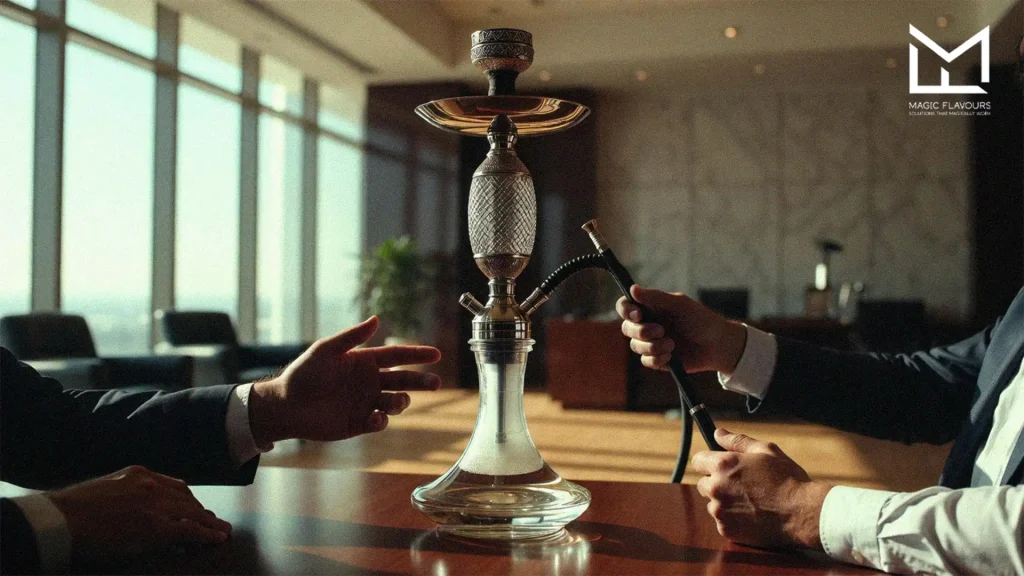
From Cafés to Majlis — Where Conversations Turn Into Agreements
Business conversations in the Middle East often shift from formal offices to relaxed venues like shisha cafés or majlis spaces. In bustling cities such as Dubai and Riyadh, professionals meet at upscale shisha lounges or traditional cafés after initial meetings. These spots provide comfortable seating, aromatic flavors, and a slow pace that encourages natural dialogue. Casual settings help transition from small talk to substantive discussions, where ideas emerge organically and lead to agreements.
In particular, in the United Arab Emirates and Saudi Arabia, the majlis holds special cultural importance as a dedicated sitting space for hospitality and interaction. Moreover, recognized by UNESCO as intangible cultural heritage, the majlis serves as a gathering place in homes, tents, or modern adaptations where people receive guests, exchange views, and resolve matters. There, hosts welcome visitors with generosity, and the environment fosters open exchange. Consequently, business often unfolds here through patient conversations, thus blending social bonding with professional goals in a respectful atmosphere.
These venues turn informal moments into productive ones. Participants build rapport over shared shisha before addressing deals, aligning with the region’s emphasis on trust. Whether in a vibrant café or a private majlis, the setting supports unhurried progress toward mutual understanding and successful partnerships.
Building Trust Through Shared Shisha Moments in Middle East Business Culture
Shared shisha sessions create powerful opportunities to build trust in Middle East business culture. Participants sit together, pass the hose, and engage in relaxed conversation while enjoying the smoke. This communal ritual promotes equality and openness, allowing people to reveal character beyond formal roles. The slow rhythm encourages genuine listening and storytelling, which strengthen personal connections essential for reliable partnerships.
Indeed, offering and accepting shisha signals goodwill and respect, thus mirroring broader hospitality values. Meanwhile, hosts prepare the pipe thoughtfully, while guests participate to show appreciation. In this way, these moments lower barriers, reveal intentions subtly, and foster loyalty. Consequently, business associates often use shisha time to explore compatibility without pressure, thereby turning casual puffs into solid foundations for long-term trust.
The act reinforces cultural norms of honor and reliability. Consistent participation demonstrates commitment, while shared experiences create lasting bonds. In professional contexts, these sessions prove more effective than rushed meetings, as they nurture the human relationships that drive agreements in the region.
Etiquette Tips for Foreign Professionals
1. Allowing the host to initiate
Wait for the host to start the shisha session and offer the hose first. This shows respect for their role and hospitality. Hosts light the coal, prepare the pipe, and take the initial puffs to set the tone. Foreign professionals follow this lead to avoid seeming presumptuous and to honor local customs effectively.
2. Respecting timing and patience
Embrace the unhurried pace of shisha gatherings. Conversations begin with small talk about family, weather, or interests before business topics arise. Rushing discussions offends hosts and signals impatience. Foreign visitors practice patience, enjoy the moment, and let dialogue flow naturally to build rapport successfully.
3. Reading the room before discussing sensitive topics
Observe body language, tone, and group dynamics carefully. Avoid jumping into negotiations, politics, or controversial issues too soon. Hosts guide the conversation subtly, so foreigners watch cues and wait for appropriate openings. This sensitivity prevents misunderstandings and maintains harmony in the session.
4. Understanding hierarchy and seniority
Show deference to senior or elder participants. Offer the hose to them first in the rotation, listen attentively to their views, and avoid interrupting. Hierarchy influences interactions, so acknowledging seniority with polite gestures strengthens your position. This respect aligns with cultural values and enhances professional credibility.
5. The Business Side of Shisha Culture Today

Growth of Shisha in Hospitality and Tourism
Shisha integrates deeply into the hospitality and tourism sectors across the Middle East, especially in the Gulf region. Luxury hotels, resorts, and restaurants in Dubai, Doha, and Riyadh feature premium shisha experiences to attract international visitors. Tourism booms drive this demand, as travelers seek authentic cultural immersion through relaxed shisha sessions. Hospitality venues capitalize on this by offering exclusive lounges and flavored options that enhance guest stays.
Market data shows strong expansion fueled by tourism recovery and development. In GCC countries, the shisha tobacco market grows robustly, projected from around USD 1.19 billion in 2025 onward at a CAGR of about 6.4%. Specialized lounges and tourism hotspots in Dubai, Doha, and Riyadh boost consumption significantly. Nearly 90% of UAE hospitality venues predict rising shisha demand in coming years, reflecting its role in elevating leisure offerings.
Furthermore, this growth aligns with broader trends in high-value tourism. In particular, countries like the UAE and Saudi Arabia invest heavily in mega-projects that include authentic cultural experiences, where shisha serves as a welcoming element. As a result, professionals benefit from these settings, since they seamlessly blend tourism appeal with valuable opportunities for informal networking and relationship-building.
Shisha Lounges as Modern Networking Hubs in Middle East Business Culture
Today, shisha lounges evolve into contemporary hubs for professional networking in cities like Dubai, Riyadh, and Doha. Specifically, upscale venues combine premium flavors, comfortable atmospheres, and scenic views to draw businesspeople, expatriates, and locals. As a result, these spots replace traditional offices for initial meetings, thereby allowing relaxed conversations that build trust naturally.
In Dubai, popular lounges near landmarks like Burj Khalifa or in areas such as Jumeirah offer outdoor or rooftop settings ideal for after-work gatherings. Riyadh and Doha follow suit with modern cafés that cater to young professionals and entrepreneurs. Groups discuss opportunities over shared pipes, turning social time into subtle deal-making sessions.
Moreover, these lounges support the region’s relationship-focused business culture effectively. In particular, participants enjoy the unhurried pace, which encourages openness and long-term connections. Furthermore, as hospitality integrates shisha more prominently, these venues become strategic spots for forging partnerships amid the Gulf’s dynamic economic landscape.
Market Insights — Demand for Shisha Flavors in the Gulf
Fruit flavors dominate demand in Gulf countries, holding significant shares like 30.2% in GCC markets for 2025. Popular choices include apple, grape, and watermelon blends that appeal to younger demographics and provide refreshing, aromatic experiences. Strong shisha tobacco leads overall with around 39.8% share, reflecting traditional preferences in social settings.
In the UAE, Saudi Arabia, and Qatar, consumers favor fruity and mint-infused options for their smoothness in hot climates. Blended flavors gain traction among diverse crowds, including tourists and expatriates. Market reports highlight fruit as a top category, driven by innovation from brands like Magic Flavours.
Regional analysis shows robust growth in these nations. Saudi Arabia and UAE lead consumption volumes, with fruit and blended profiles catering to both locals and visitors. This demand supports premium offerings in lounges, where flavor variety enhances hospitality and contributes to sustained market expansion across the Gulf.
6. Conclusion of Middle East Business Culture
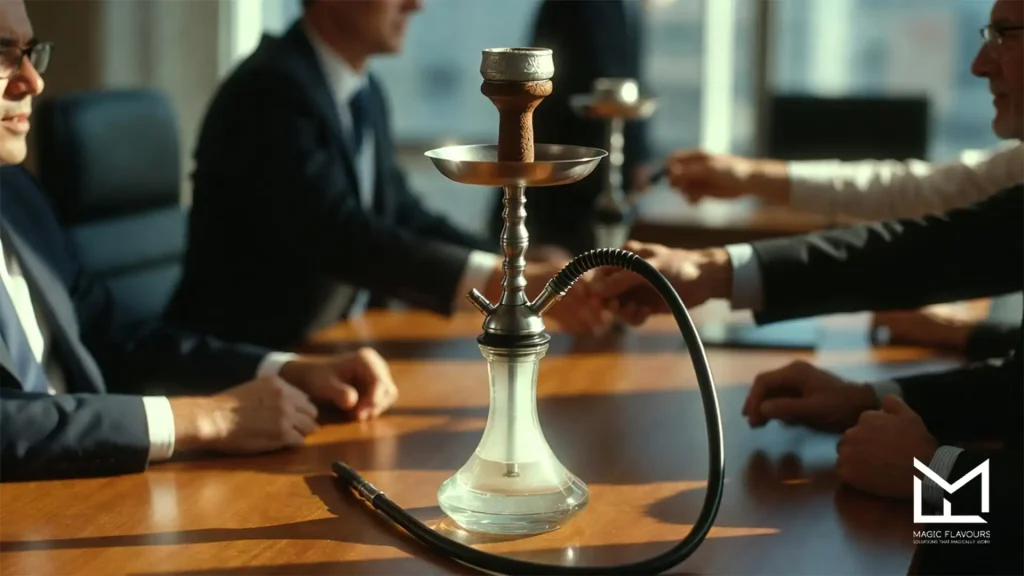
Shisha flavors extend far beyond simple tastes in Middle East business culture. For instance, Double Apple, Mint, Grape, Rose, and Lemon-Mint each carry layers of meaning that reflect hospitality, balance, and shared enjoyment. Moreover, these classic profiles, along with emerging fusions, turn every puff into a deliberate act of connection. As participants savor the evolving smoke together, this mirrors the patience required to build trust and long-term partnerships. Consequently, in cafés, majlis, or modern lounges, the ritual reinforces core values of respect, generosity, and genuine interaction that define professional success in the region.
Understanding shisha etiquette equips international professionals with essential cultural intelligence. By allowing hosts to initiate, embracing unhurried timing, reading social cues, and honoring hierarchy, you participate authentically rather than observe from afar. This awareness transforms potential missteps into opportunities for deeper rapport. Mastering these nuances demonstrates respect and opens doors to meaningful relationships that contracts alone cannot secure.
In today’s dynamic Gulf business landscape, shisha remains a timeless bridge between tradition and opportunity.
Embrace the ritual with mindfulness, and you gain not just a smoke, but a pathway to stronger, more enduring professional connections across the Middle East.
 English
 Arabic
 Turkish
 Persian