

Private Label Shisha Flavor in the Hookah Market
- No Comments
What Is Private Label Shisha flavor?
Definition of Private Label Shisha flavor
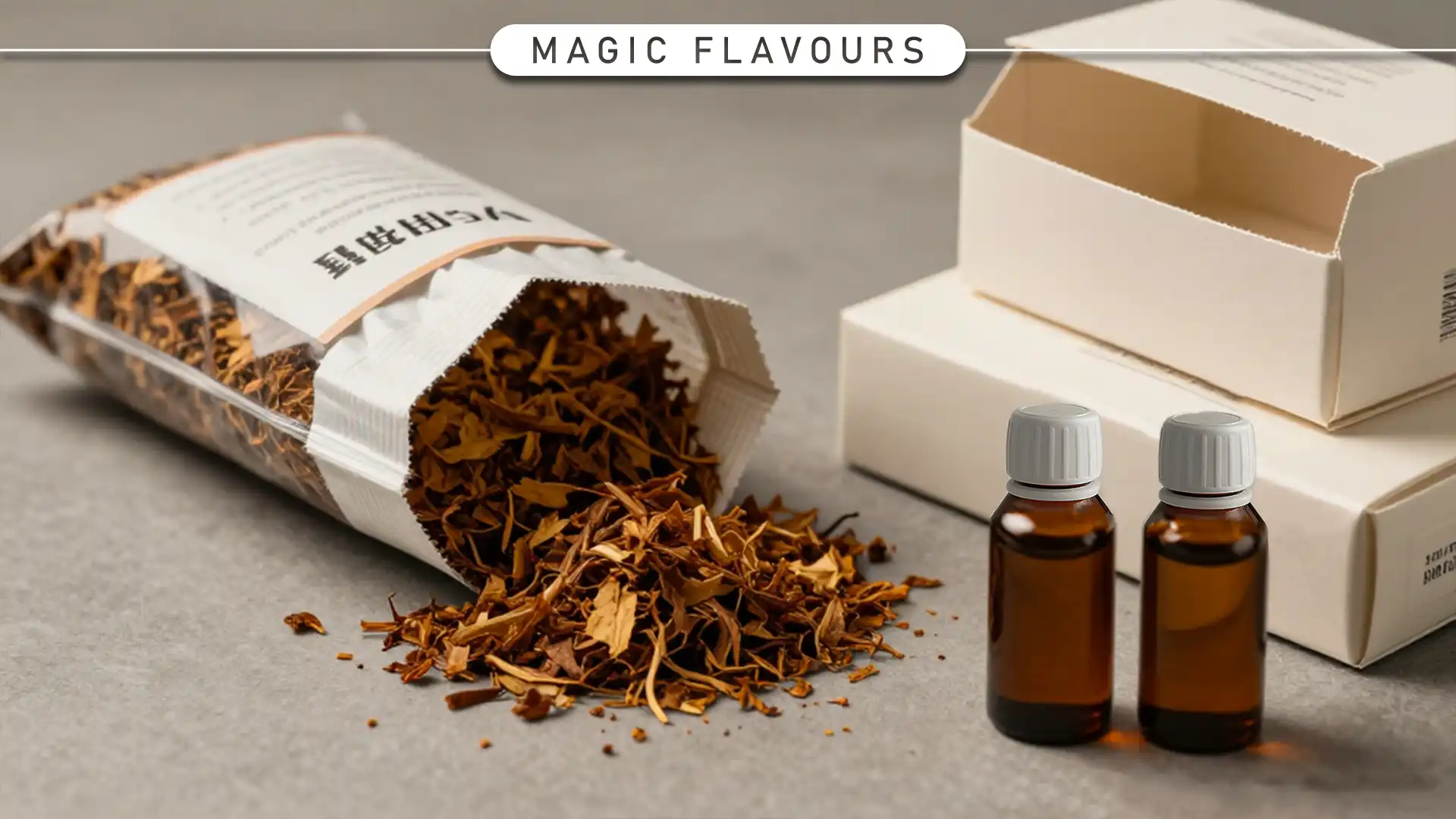
Private label shisha flavor refers to products sold under a retailer’s brand but produced by external manufacturers. It allows businesses to offer unique blends without investing in full-scale production facilities or research laboratories. This model gives retailers flexibility to design packaging, branding, and flavor identity while outsourcing technical production.
Private label strategies help companies differentiate themselves in crowded hookah markets. They provide opportunities for niche positioning, cultural adaptation, and tailored flavor innovation. Retailers gain control over customer perception while avoiding the risks of direct manufacturing investment.

How private label differs from manufacturer-owned brands
Manufacturer-owned brands are created, marketed, and distributed directly by the producing company. They emphasize proprietary recipes, brand heritage, and long-term recognition in the global hookah market. Private label products, however, prioritize customization and retailer-driven branding over manufacturer identity.
Private label shisha flavors often compete on exclusivity and tailored experiences. They allow retailers to respond quickly to shifting consumer preferences and regional tastes. Manufacturer-owned brands, in contrast, rely on consistency and established reputation to maintain market share.
The role of OEM and contract manufacturers
OEM and contract manufacturers are central to private label shisha production. They provide technical expertise, flavor development, and scalable production capacity for retailers. This partnership enables businesses to launch products without building costly infrastructure.
OEMs ensure compliance with safety standards and regional regulations. They also adapt flavor formulations to meet cultural expectations and consumer trends. Contract manufacturers streamline logistics, packaging, and distribution, supporting retailers in competitive markets.
These collaborations create efficient supply chains and empower retailers to focus on branding. They reduce operational risks while accelerating innovation in the hookah industry.
Why Private Label Shisha flavor Are Growing So Fast?
Lower entry barriers for new businesses
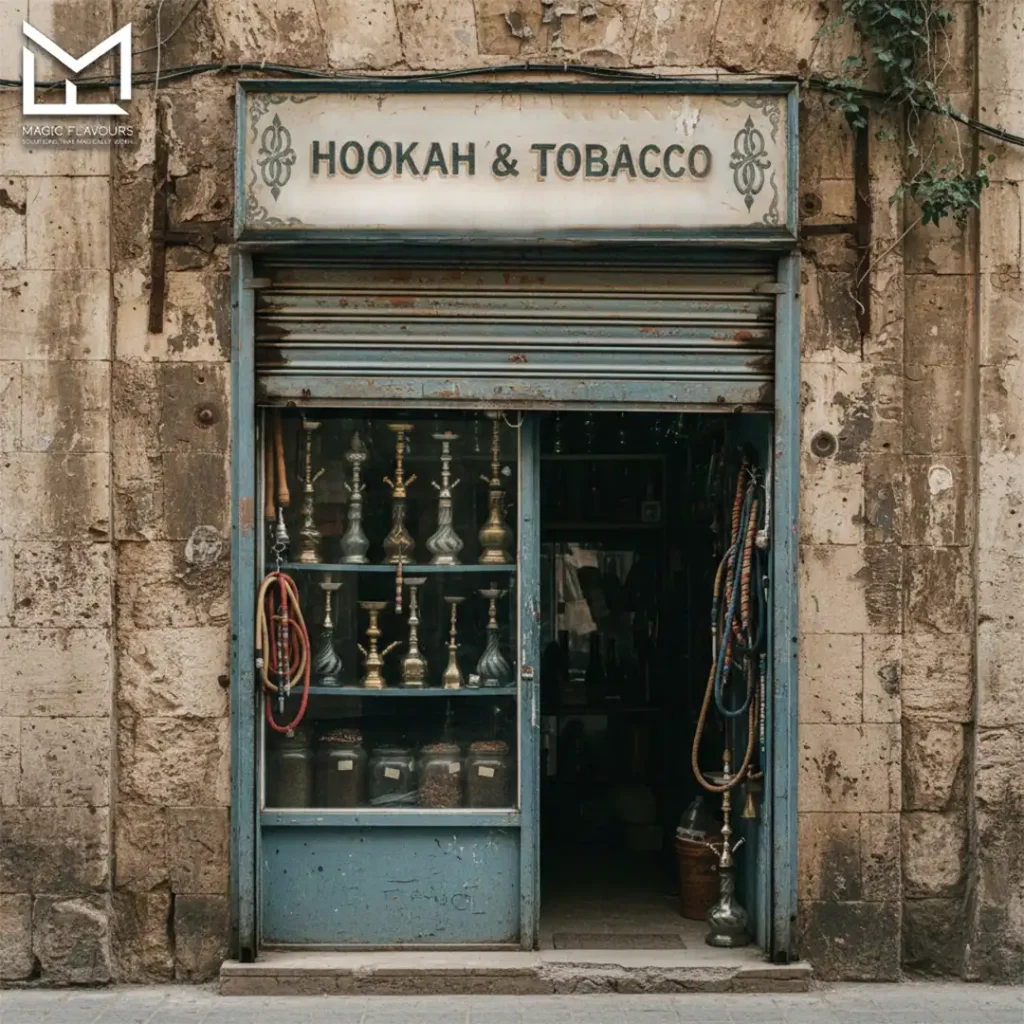
Private label shisha flavors reduce the need for heavy infrastructure investment. New businesses can enter the market with limited capital and resources. This accessibility encourages innovation and diversity in flavor offerings.
Retailers focus on branding and customer engagement instead of production challenges. They leverage manufacturer expertise to deliver quality products quickly. Lower barriers open opportunities for entrepreneurs in emerging hookah markets.
Faster product launches
Private label partnerships accelerate the development cycle. Retailers can introduce new flavors without lengthy research and testing phases. This speed helps them respond to evolving consumer preferences.
Quick launches strengthen competitiveness in dynamic hookah markets. Retailers gain the ability to test seasonal or regional blends rapidly. Fast adaptation builds stronger customer loyalty and brand relevance.
Reduced financial risk
Private label strategies minimize upfront investment in production facilities. Retailers avoid the costs of research, equipment, and compliance infrastructure. This reduces exposure to financial losses from failed launches.
Risk-sharing with OEMs and contract manufacturers ensures stability. Retailers can experiment with new blends without jeopardizing core operations. Lower risk encourages bold innovation in flavor development.
To place a custom flavor order step by step, visit the page below:

High demand for customized and exclusive products
Consumers increasingly seek personalized and unique shisha experiences. Private labels allow retailers to design exclusive blends tailored to local tastes. Customization strengthens brand identity and customer loyalty.
Exclusive products differentiate retailers from mass-market competitors. They create emotional connections with consumers through unique flavor stories. This demand fuels rapid growth in private label shisha offerings.
The Importance of Private Label in Shisha Flavors
Market saturation and the need for differentiation
The shisha market is increasingly crowded with global and regional brands. Private labels help retailers stand out by offering unique blends. Differentiation becomes essential when consumers face overwhelming flavor choices.
Retailers use private labels to craft exclusive identities. They design flavors that reflect cultural preferences and local traditions. This strategy ensures relevance in saturated markets and builds recognition.

Brand control over flavor identity
Private labels give retailers full authority over flavor design. They decide the blend, aroma, and packaging without manufacturer influence. This control strengthens brand authenticity and customer trust.
Retailers align flavor identity with their marketing vision. They create consistent experiences across product lines and platforms. Such control enhances storytelling and reinforces brand positioning.
Building long-term customer loyalty
Exclusive private label flavors foster strong emotional connections. Customers return for blends they cannot find elsewhere. This exclusivity builds loyalty and repeat purchases.
Retailers nurture trust by maintaining consistent quality. They adapt flavors to evolving consumer preferences over time. Loyalty grows when customers feel valued through tailored experiences.
Competitive advantage in local and global markets
Private labels empower retailers to compete locally and internationally. They tailor blends to regional tastes while maintaining global appeal. This flexibility strengthens market positioning across diverse geographies.
Retailers gain agility in responding to cultural trends. They leverage private labels to expand beyond traditional boundaries. Competitive advantage emerges from exclusivity and adaptability in global markets.
The differences between Private Label Shisha flavor and wholesale
What is wholesale shisha flavor?
Wholesale shisha flavor refers to bulk products sold directly by manufacturers. Retailers purchase these ready-made blends and resell them under the producer’s brand. This model emphasizes volume sales and standardized flavor offerings.
Wholesale provides quick access to established products. Retailers benefit from recognized brand credibility and consistent quality. However, they have limited influence over product identity or customization.
Key differences between private label and wholesale in shisha flavor
- Brand ownership
Private label gives retailers full ownership of the brand identity. Wholesale keeps brand control with the manufacturer. Ownership defines how customers perceive the product in the market.
- Formula and flavor control
Private label allows customization of blends and packaging. Wholesale offers fixed recipes with no retailer input. Control impacts differentiation and consumer loyalty.
- Pricing and profit margins
Private label often delivers higher margins through exclusivity. Wholesale margins depend on manufacturer pricing and market competition. Profitability varies with brand strategy and positioning.
- Market positioning
Private label targets niche and exclusive segments. Wholesale appeals to mass-market distribution and established recognition. Positioning determines long-term growth opportunities for retailers.
- Which model is right for your business?
Choosing between private label and wholesale depends on strategic goals. Private label suits businesses seeking exclusivity, customization, and stronger brand identity. Wholesale fits retailers prioritizing speed, recognition, and lower operational complexity.
Entrepreneurs should evaluate resources, target audience, and market ambitions. Private label requires branding investment but offers differentiation. Wholesale provides stability with less risk but limited uniqueness.
White Label and Black Label Shisha Flavors for Different Brand Strategies
What is a White Label shisha flavor?
White label shisha flavor is produced by manufacturers and sold to retailers for rebranding. Retailers apply their own logos and packaging while the formula remains unchanged. This model emphasizes accessibility and quick market entry.
White label products allow businesses to expand offerings without heavy investment. They provide standardized blends that can be marketed under diverse brand identities. Retailers benefit from efficiency and reduced development costs.
What is a Black Label shisha flavor?
Black label shisha flavor represents premium, exclusive blends created for select partners. These products often feature unique recipes, limited editions, or luxury positioning. They highlight exclusivity and craftsmanship in the hookah market.
Black label strategies target discerning consumers seeking rare experiences. They emphasize high quality, innovation, and strong brand storytelling. This approach builds prestige and elevates brand reputation.
Who typically uses each mode
White label is favored by startups and mid-sized retailers. It suits businesses seeking fast entry and broad distribution with minimal risk. This model supports scalability and competitive pricing strategies.
Black label is adopted by established brands and luxury-focused retailers. It appeals to companies aiming for exclusivity and premium positioning. This mode strengthens brand prestige and long-term differentiation.
Major Trends in Private Label Shisha flavor Packaging (2026)
Minimalist and modern packaging
Minimalist packaging emphasizes clean lines, simple typography, and uncluttered visuals. It reflects contemporary design trends and appeals to younger, style-conscious consumers. Modern aesthetics communicate sophistication and align with premium lifestyle branding.
Retailers use minimalist packaging to highlight flavor identity. This approach reduces distractions and strengthens brand recognition. It also supports cost efficiency by simplifying printing and materials.

Sustainable and eco-friendly materials
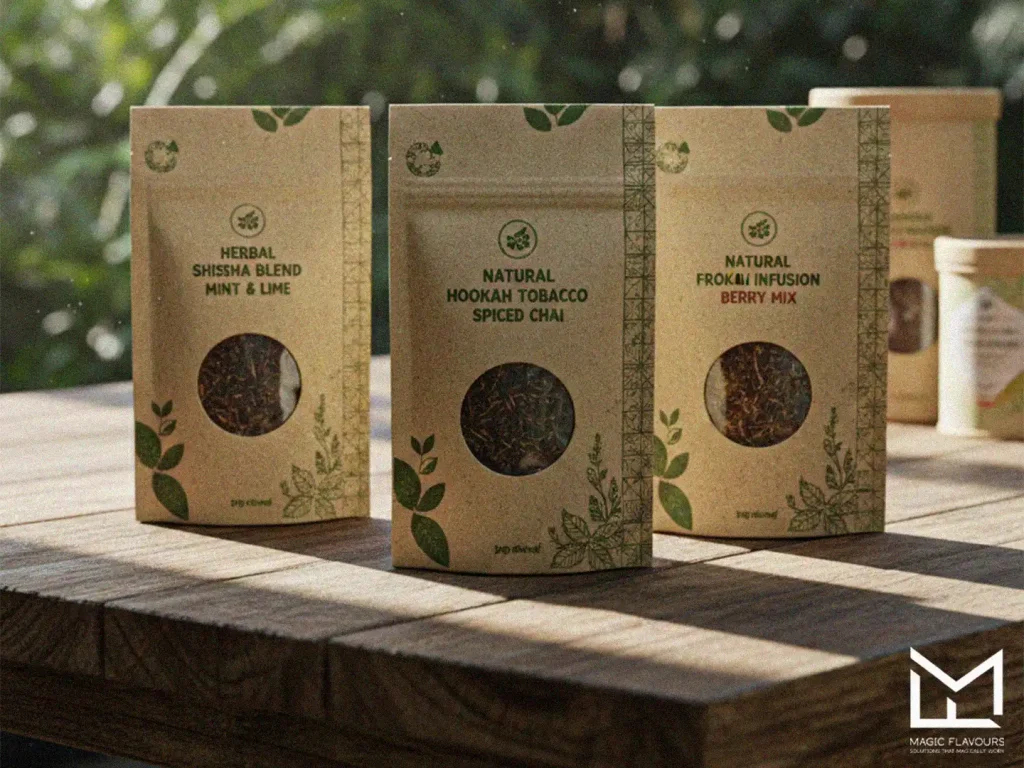
Eco-friendly packaging is becoming a priority in the shisha industry. Retailers adopt biodegradable, recyclable, and compostable materials to reduce environmental impact. This trend aligns with global sustainability goals and consumer expectations.
Sustainable packaging enhances brand credibility and social responsibility. It attracts environmentally conscious customers seeking ethical consumption. Retailers gain competitive advantage by integrating green practices into product design.
Premium packaging for black label products
Black label shisha flavors demand luxurious presentation. Premium packaging includes embossed finishes, metallic accents, and high-quality materials. These elements reinforce exclusivity and elevate consumer perception.
Luxury packaging creates memorable unboxing experiences. It strengthens emotional connections with customers and supports premium pricing strategies. Retailers use design to communicate prestige and craftsmanship.
Smart packaging (QR codes, authentication, storytelling)
Smart packaging integrates technology into product presentation. QR codes provide instant access to flavor details, brand stories, and usage tips. Authentication features protect against counterfeiting and build consumer trust.
Storytelling through interactive packaging enhances engagement. Retailers use digital links to share heritage, innovation, and cultural narratives. Smart packaging bridges physical products with digital experiences.
The Role of Private Label Shisha Flavors in the B2B Industry
Strategic Customization Opportunities
Private label shisha flavors offer B2B partners tailored solutions for diverse markets. Businesses can design blends that reflect cultural preferences and regional identities. This customization strengthens partnerships and enhances brand relevance in competitive industries.
Retailers collaborate with manufacturers to create exclusive recipes and packaging. Such flexibility allows them to differentiate offerings and meet client-specific demands. Strategic customization builds trust and long-term value in B2B relationships.
Private labels empower companies to adapt quickly to shifting consumer trends. They provide scalable options for seasonal launches or targeted campaigns. This agility ensures stronger positioning across both local and global markets.
The Key Challenges of Private Label Shisha Flavors in B2B Markets
Regulatory differences between countries
Shisha regulations vary widely across international markets. Private label businesses must navigate complex compliance requirements for ingredients, labeling, and packaging. Failure to meet standards can block entry or cause costly delays.
Retailers rely on manufacturers to adapt formulas to local laws. This requires constant monitoring of evolving regulations and safety guidelines. Cross-border trade adds complexity to certification and distribution processes.
Brand positioning in saturated markets
The hookah industry is crowded with established global and regional players. Private labels must carve out distinct identities to avoid blending into the competition. Differentiation through flavor innovation and packaging is essential.
Retailers face challenges in communicating exclusivity and value. Strong storytelling and cultural alignment help brands stand out. Positioning requires balancing affordability with premium perception.
Long-term partnership vs short-term contracts
Private label success depends on reliable manufacturer relationships. Long-term partnerships ensure stability, consistent quality, and shared innovation. They foster trust and reduce risks in competitive B2B markets.
Short-term contracts offer flexibility but increase uncertainty. Retailers may face supply disruptions or inconsistent product standards. Strategic alignment favors enduring collaborations over transactional arrangements.
How to Start a Hookah Company Using Private Label
1. Market research and positioning
Successful entry begins with thorough market research. Identify consumer preferences, regional trends, and competitor strategies. Position your brand to fill gaps and meet unmet demands.
Research helps define pricing, flavor identity, and target audience. Clear positioning ensures your company stands out in crowded markets. This foundation guides every subsequent decision in the launch process.
2. Choosing a private label manufacturer
Select a manufacturer with proven expertise in shisha production. Evaluate their compliance standards, flavor portfolio, and scalability. Strong partnerships ensure consistent quality and reliable supply chains.
Manufacturers should align with your brand vision. Transparency in processes builds trust and long-term collaboration. Choosing wisely reduces risks and accelerates market entry.
3. Flavor development and testing
Work with manufacturers to design unique blends. Testing ensures flavors meet consumer expectations and cultural preferences. Feedback from focus groups strengthens product appeal.
Iterative development refines recipes for consistency and satisfaction. Testing also validates safety and compliance standards. Flavor innovation becomes a key differentiator in competitive markets.
4. Branding and packaging design
Create branding that reflects your company’s identity and values. Packaging should balance aesthetics, functionality, and regulatory requirements. Design choices influence consumer perception and loyalty.
Strong branding communicates exclusivity and professionalism. Packaging innovations enhance shelf appeal and customer engagement. Consistency across platforms reinforces brand recognition.
5. Legal compliance and certifications
Ensure all products meet local and international regulations. Compliance includes ingredient safety, labeling accuracy, and packaging standards. Certifications build credibility and protect against legal challenges.
Partner with manufacturers experienced in regulatory navigation. Documentation and audits safeguard long-term business stability. Compliance strengthens trust with distributors and consumers.
6. Distribution and marketing strategy
Develop a distribution plan tailored to target markets. Choose channels that maximize reach and efficiency. Marketing should highlight exclusivity, flavor identity, and brand values.
Digital campaigns expand visibility and engage younger audiences. Collaborations with lounges and retailers build credibility. Strategic distribution ensures sustainable growth and market penetration.
Magic Flavours Helping Brands Grow with Private Label Shisha Solutions

Working with an experienced private label supplier makes the entire process significantly more efficient. Expert guidance streamlines development, reduces risks, and accelerates market entry. This efficiency allows brands to focus on growth rather than operational challenges.
Our company specializes in private label shisha flavors, offering customizable recipes and flexible solutions. We provide multiple label tiers, including white and black label options, to suit diverse brand strategies. Wholesale-scale production ensures consistency and adaptability across different market needs.
This approach empowers our partners to concentrate on marketing and distribution. Meanwhile, we manage manufacturing, quality control, and supply chain reliability. The result is a seamless collaboration that drives brand success in competitive hookah markets.
Conclusion
Why private label shisha tobacco is the future of the industry
Private label shisha tobacco represents the next stage of industry evolution. It empowers retailers to create exclusive blends that reflect cultural preferences and consumer demands. This customization ensures stronger brand identity and long-term relevance.
The model reduces entry barriers and financial risks for new businesses. It accelerates product launches while maintaining flexibility in flavor innovation. Such advantages make private labels highly attractive in competitive markets.
Growing demand for exclusivity and personalization drives private label expansion. Retailers gain control over branding, packaging, and customer engagement. This strategic approach positions private label shisha tobacco as the future of the industry.
 English
 Arabic
 Turkish
 Persian