

1. Introduction to Cardamom Flavor
What Is Cardamom?
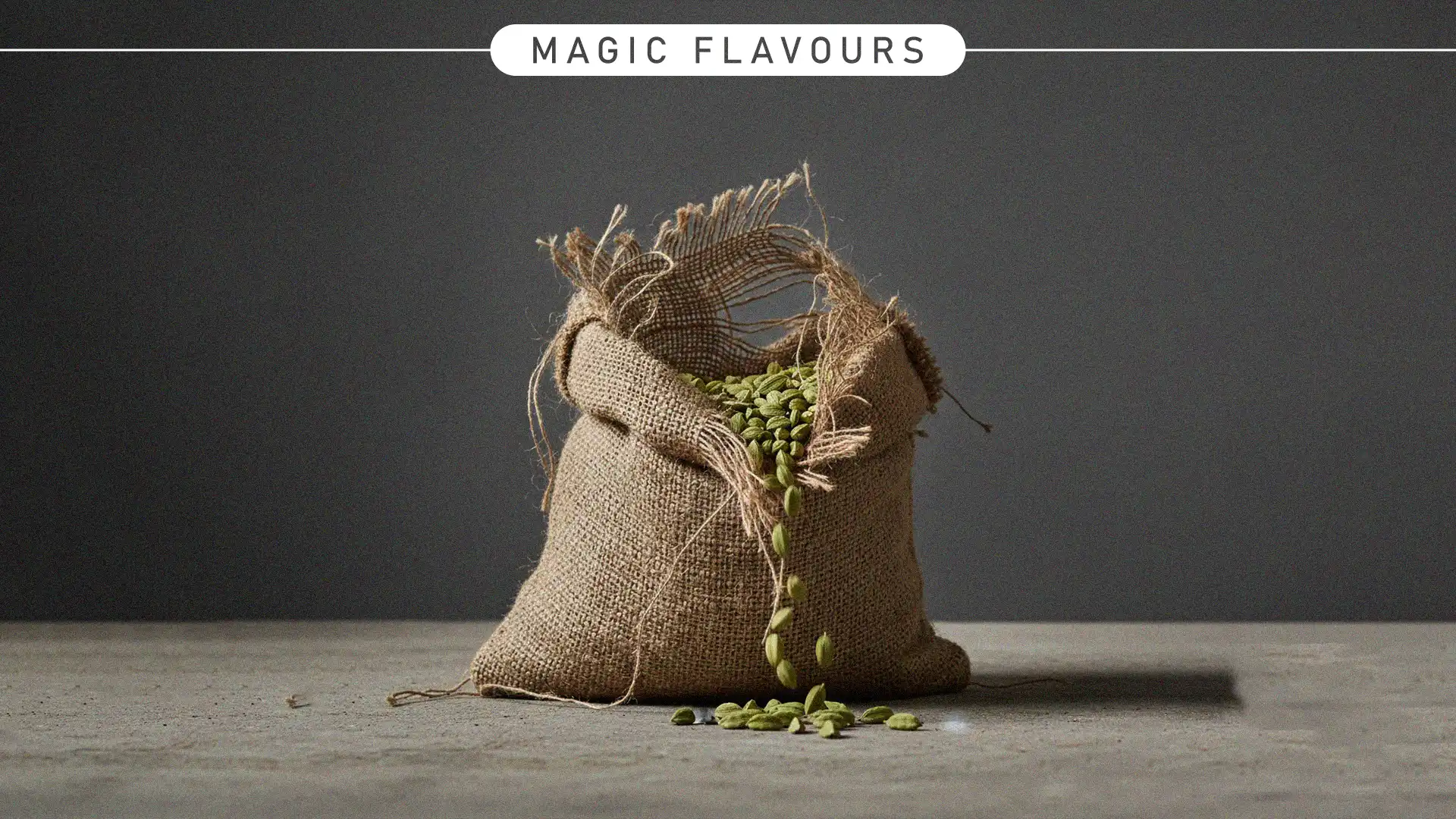
Cardamom Flavor is a spice that comes from the seeds of plants in the ginger family. Because it grows in tropical regions, producers often cultivate it in India, Guatemala, and Sri Lanka. Although it appears small, each pod holds intense aromatic oils that define its flavor.
Cardamom delivers a warm, citrusy, and slightly minty taste. Since its aroma is both sweet and spicy, formulators use it across sweet and savory applications. While green cardamom offers delicate floral notes, black cardamom leans smoky and bold.
From cakes to pastries – Explore Bakery flavor solutions.
Flavorists value cardamom for its versatility. As a top-note enhancer, it lifts citrus blends. As a base note, it anchors spice profiles. Therefore, it plays a strategic role in both traditional and modern flavor systems.
Historical and Cultural Significance of Cardamom Flavor
Cardamom has held cultural importance for thousands of years. Because ancient traders prized it, they carried it along spice routes from India to the Mediterranean. While Egyptians used it for rituals, Greeks infused it into perfumes.
In South Asia, cardamom became a symbol of hospitality. Since it appears in chai and desserts, it often marks celebration and comfort. Meanwhile, in Middle Eastern cultures, cardamom flavors coffee served to honored guests.
Flavor houses recognize its emotional power. Because it evokes warmth and tradition, marketers often use it to signal authenticity. Therefore, cardamom bridges heritage and innovation in global product storytelling.
Cardamom Flavor in Global Culinary Traditions
Cardamom appears in diverse cuisines across continents. In Indian cooking, chefs blend it into curries, biryanis, and sweets like gulab jamun. Because it balances richness, it enhances dairy and ghee-based dishes.
In Scandinavian baking, cardamom stars in pastries like kardemummabullar. While cinnamon adds heat, cardamom brings brightness and lift. Therefore, Nordic bakers rely on it for aromatic complexity.
Middle Eastern and North African cuisines use cardamom in spice blends like baharat and ras el hanout. Since it pairs well with cumin and clove, it deepens savory profiles. Across cultures, cardamom remains a flavor of memory, ritual, and refinement.
2. Chemical Composition and Flavor Profile
Key Volatile Compounds (e.g., 1,8-Cineole, α-Terpinyl Acetate)
Cardamom’s flavor depends on its volatile compounds. Because 1,8-cineole dominates, it delivers a fresh, eucalyptus-like aroma. While this compound adds brightness, it also enhances perceived cooling.
α-Terpinyl acetate contributes sweet, fruity, and floral notes. Since it’s more stable, it anchors cardamom’s top note in heat-processed applications. Together, these molecules shape cardamom’s signature duality—cool yet warm, sweet yet spicy.
Flavorists also track linalool, sabinene, and limonene. Although they appear in smaller amounts, they round out the profile. Therefore, extraction methods must preserve these volatiles to maintain authenticity.
Sensory Characteristics: Aroma, Taste, Mouthfeel
Cardamom’s aroma opens with citrus and mint. Because it contains terpenes, it also delivers herbal and camphoraceous notes. While the top note feels bright, the base note adds warmth and depth.
Taste-wise, cardamom balances sweet and spicy. Since it contains cineole and terpinyl acetate, it creates a cooling sensation on the palate. Although the sweetness lingers, the spice builds gradually.
Mouthfeel remains smooth and slightly oily. Because its essential oil coats the tongue, it enhances flavor persistence. Therefore, cardamom works well in emulsions, dairy, and fat-based systems.
Differences Between Green and Black Cardamom
Green cardamom offers a delicate, floral profile. Since producers harvest it early, it retains high levels of terpinyl acetate. While it suits sweet applications, it also lifts citrus and vanilla blends.
Black cardamom delivers smoky, earthy notes. Because it’s dried over open flames, it develops bold, roasted aromatics. Although it lacks sweetness, it excels in savory and umami-rich systems.
Formulators choose based on application. While green cardamom enhances elegance, black cardamom adds depth and grit. Therefore, each type plays a distinct role in flavor architecture.
3. Botanical Origins and Varietals
Elettaria vs. Amomum Species
Cardamom belongs to two main genera: Elettaria and Amomum. While Elettaria produces green cardamom, Amomum yields the black variety. Because they differ genetically, their flavor profiles diverge significantly.
Elettaria cardamomum offers sweet, floral, and citrusy notes. Since it grows in humid climates, it develops high levels of terpinyl acetate. Although it’s delicate, it remains stable in dairy and bakery systems.
Amomum subulatum delivers smoky, resinous, and camphoraceous tones. Because it’s dried over open flames, it gains bold, roasted aromatics. While Elettaria suits sweet formats, Amomum excels in savory and umami-rich blends.
Geographic Influence on Flavor (India, Guatemala, Sri Lanka)
Cardamom’s terroir shapes its flavor. Indian cardamom, especially from Kerala, offers intense aroma and high oil content. Because the soil is rich and rainfall abundant, the pods develop complex volatiles.
Guatemalan cardamom tends to be milder. Since producers focus on volume, the flavor leans grassy and less floral. Although it’s widely exported, formulators often blend it with Indian varieties for depth.
Sri Lankan cardamom delivers a unique twist. While it’s less common, it offers citrus-forward notes and subtle bitterness. Therefore, origin matters when selecting cardamom for premium flavor systems.
Harvesting and Post-Harvest Processing Impact of Cardamom Flavor
Harvest timing affects flavor intensity. Because early harvest preserves volatile oils, producers often pick green cardamom before full maturity. While this boosts aroma, it reduces yield.
Post-harvest drying is critical. Since sun-drying retains sweetness, it suits Elettaria. However, flame-drying adds smoke, ideal for Amomum. Although both methods stabilize flavor, they shift sensory direction.
Storage also plays a role. Because cardamom oxidizes quickly, processors must seal it in airtight packaging. Therefore, handling practices directly influence flavor quality and shelf life.
4. Flavor Development and Reaction Pathways
Terpenoid Biosynthesis and Enzymatic Reactions
Cardamom’s flavor begins at the cellular level. Because terpenoids form through the mevalonate pathway, enzymes guide their biosynthesis. While geranyl pyrophosphate acts as a precursor, it branches into cineole, linalool, and terpinyl acetate.
Enzymes like terpene synthases shape aroma intensity. Since plant stress influences enzyme activity, climate and soil affect flavor yield. Although biosynthesis starts early, it continues during pod maturation.
Post-harvest, enzymatic reactions still evolve. Because residual enzymes remain active, they modify volatiles during drying. Therefore, controlling enzymatic activity helps preserve cardamom’s sensory integrity.
Impact of Drying, Roasting, and Heat
Drying transforms cardamom’s flavor. While sun-drying retains floral notes, heat-drying intensifies spice and reduces sweetness. Because terpenes are volatile, high temperatures degrade top notes quickly.
Roasting introduces Maillard reactions. Since amino acids and sugars interact, they create smoky, nutty, and caramelized compounds. Although this suits black cardamom, it overwhelms green cardamom’s delicate profile.
Heat also affects oil solubility. Because some compounds polymerize, they lose volatility. Therefore, formulators must adjust processing to protect aroma and maintain balance.
Flavor Stability and Oxidation of Cardamom Flavor Over Time
Cardamom’s volatiles degrade over time. Because oxygen triggers oxidation, cineole and linalool lose potency. While terpinyl acetate resists oxidation longer, it still fades under light and heat.
Packaging plays a key role. Since oxygen exposure accelerates loss, vacuum sealing extends shelf life. Although refrigeration helps, moisture control remains essential.
Flavorists monitor stability in formulations. Because emulsions trap volatiles, they slow degradation. Therefore, choosing the right carrier system protects cardamom’s signature aroma across product lifecycles.
5. Applications of Cardamom Flavor in Food and Beverage
Sweet Applications: Confectionery, Bakery, Dairy
Cardamom elevates sweet formats with elegance. Because it blends citrus and spice, it adds complexity to confections. While it enhances chocolate, it also brightens caramel and nougat.
In bakery, cardamom lifts dough-based systems. Since it pairs well with butter and yeast, it enriches pastries and cookies. Although cinnamon adds warmth, cardamom introduces freshness and lift.
Dairy systems benefit from cardamom’s oil solubility. Because it disperses well in fat, it flavors ice cream, custards, and milk-based desserts. Therefore, it creates indulgent yet aromatic profiles.

Savory Applications: Meat, Rice, Sauces
Cardamom deepens savory formats with aromatic contrast. While it complements cumin and clove, it also balances heat from chili. Because it’s bold, it anchors spice blends in meat marinades.
In rice dishes, cardamom adds floral lift. Since it pairs with saffron and ghee, it enhances biryani and pilaf. Although subtle, its aroma transforms the base into a signature experience.
Sauce systems use cardamom for depth. Because it bridges sweet and savory, it suits tomato, cream, and yogurt bases. Therefore, it supports both traditional and fusion flavor architectures.
Beverage Applications: Tea, Coffee, Alcoholic Drinks
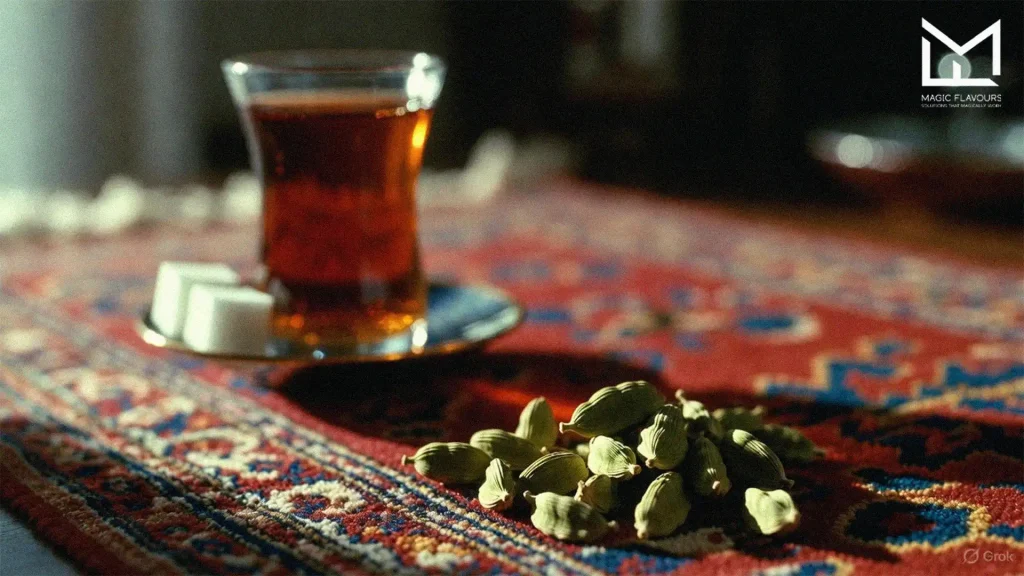
Cardamom shines in beverage formats. Because it complements tannins, it enhances black tea and chai blends. While it adds warmth, it also refreshes with minty top notes.
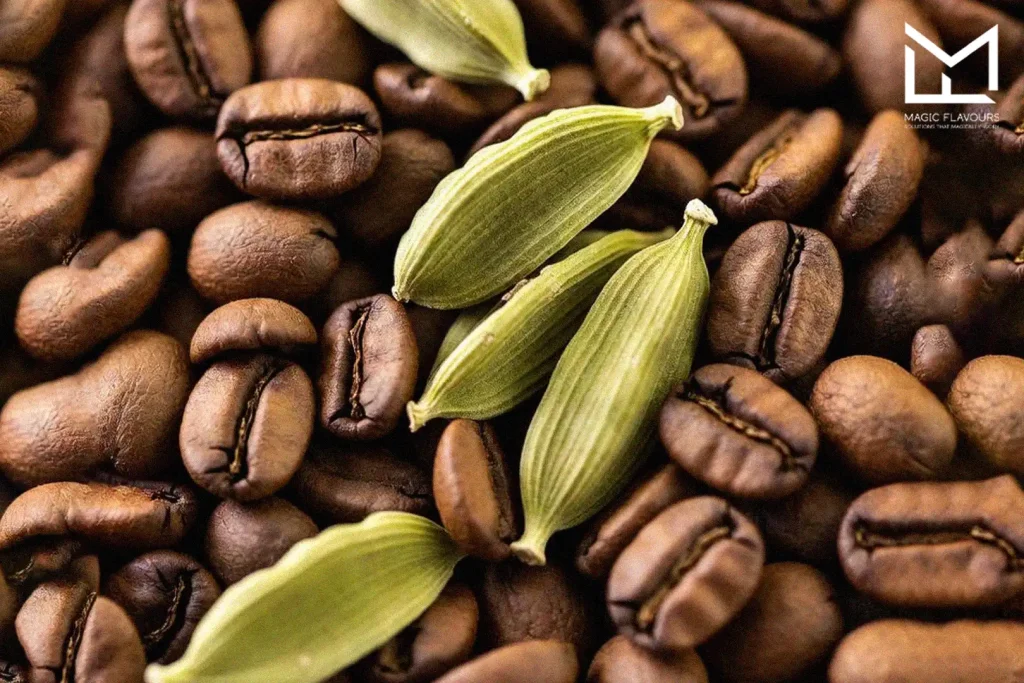
Coffee systems use cardamom for aromatic lift. Since it offsets bitterness, it creates smoother, more complex brews. Although common in Middle Eastern formats, it’s gaining traction globally.
In alcoholic drinks, cardamom adds intrigue. Because it pairs with citrus and botanicals, it suits gin, vermouth, and spiced liqueurs. Therefore, it supports premium positioning and sensory storytelling.
Emerging Uses of Cardamom Flavor in Plant-Based and Functional Foods
Cardamom supports plant-based innovation. While it masks off-notes from legumes, it also adds aromatic sophistication. Because it blends well with coconut and almond, it suits dairy alternatives.
Functional foods use cardamom for perceived health. Since it signals digestion and warmth, it enhances wellness teas and fortified snacks. Although subtle, it builds emotional trust.
In protein systems, cardamom adds flavor lift. Because it complements pea and soy bases, it improves mouthfeel and aroma. Therefore, it helps brands differentiate in crowded plant-based markets.
6. Pairing and Blendability of Cardamom Flavor
Compatible Flavor Pairings (e.g., citrus, vanilla, smoke)
Cardamom pairs beautifully with citrus. Because both share terpene-rich profiles, they create bright, refreshing top notes. While lemon adds sharpness, cardamom softens the edge with warmth.
Vanilla deepens cardamom’s sweetness. Since both offer creamy undertones, they build indulgent profiles in bakery and dairy systems. Although vanilla anchors the base, cardamom lifts the aroma.
Smoke adds contrast and grit. Because black cardamom carries roasted notes, it blends well with mesquite, clove, and pepper. Therefore, smoky pairings suit savory, grilled, and umami-rich formats.
Role in Complex Flavor Systems
Cardamom acts as a bridge in layered profiles. While it connects sweet and spicy, it also links herbal and floral notes. Because it’s multidimensional, it supports both top and mid-note construction.
In spice blends, cardamom balances heat. Since it cools the palate, it offsets chili, ginger, and cinnamon. Although subtle, it stabilizes aggressive ingredients and adds aromatic lift.
Flavorists use cardamom to round out bitterness. Because it softens tannins, it works well in tea, coffee, and botanical extracts. Therefore, it plays a strategic role in flavor harmony.
Balancing Cardamom in Multi-Note Profiles
Cardamom requires careful dosing. While low levels add elegance, high levels overwhelm delicate systems. Because its aroma is potent, formulators must calibrate by format and matrix.
In sweet formats, cardamom should support—not dominate. Since vanilla and almond are softer, cardamom must stay in the mid-note range. Although tempting to amplify, restraint preserves balance.
In savory blends, cardamom can lead or follow. Because it pairs with cumin, clove, and coriander, it adapts to bold systems. Therefore, balancing cardamom means knowing when to spotlight and when to support.
7. Psychological and Emotional Impact of Cardamom Flavor
Cardamom’s Role in Comfort and Nostalgia
Cardamom evokes comfort across cultures. Because it appears in childhood desserts and family rituals, it triggers warm emotional recall. While vanilla signals sweetness, cardamom adds depth and memory.
In South Asian homes, cardamom flavors chai served during quiet mornings. Since it marks rest and connection, it builds emotional intimacy. Although subtle, its aroma anchors moments of peace.
Flavorists use cardamom to signal nostalgia. Because it bridges past and present, it suits comfort-driven formats. Therefore, it supports emotional storytelling in dairy, bakery, and seasonal launches.
Cultural Associations and Sensory Memory of Cardamom Flavor
Cardamom carries deep cultural meaning. While it appears in Persian sweets, it also flavors Arabic coffee and Indian rice. Because it spans rituals and celebrations, it builds sensory memory.
In Middle Eastern hospitality, cardamom signals respect. Since it’s served to guests, it conveys warmth and generosity. Although simple, its presence elevates the experience.
Sensory memory builds through repetition. Because cardamom appears in festive and everyday formats, it becomes emotionally encoded. Therefore, it helps brands connect through shared cultural cues.
Emotional Resonance in Marketing
Cardamom strengthens emotional positioning. While citrus suggests energy, cardamom signals depth and comfort. Because it evokes tradition, it supports authenticity and trust.
Marketers use cardamom to anchor storytelling. Since it connects to rituals, it suits campaigns around family, warmth, and belonging. Although it’s a spice, it carries emotional weight.
In B2B strategy, cardamom adds sensory richness. Because it bridges technical and emotional language, it enhances product narratives. Therefore, it helps brands differentiate through feeling, not just function.
Looking for more insights? You might enjoy this article as well
8. Health Benefits and Bioactivity of Cardamom Flavor
Antimicrobial and Anti-inflammatory Properties
Cardamom contains bioactive compounds with antimicrobial effects. Because cineole and limonene disrupt bacterial membranes, they help inhibit microbial growth. While essential oils show promise, extract concentration matters.
Anti-inflammatory benefits also attract attention. Since cardamom reduces cytokine activity, it may ease inflammation in gut and tissue. Although studies are ongoing, early results support functional positioning.
Formulators use cardamom in wellness formats. Because it signals natural defense, it suits immunity blends and botanical supplements. Therefore, it bridges flavor and function in health-forward innovation.
Digestive and Respiratory Support
Cardamom supports digestion through multiple pathways. While it stimulates bile flow, it also relaxes gastric muscles. Because it reduces bloating, it suits teas and digestive aids.
Respiratory benefits stem from cineole. Since it opens airways and reduces mucus, it supports breathing comfort. Although traditional use drives demand, modern studies validate its soothing effects.
Brands use cardamom to signal relief. Because it blends tradition and science, it fits into gut-health and breathability claims. Therefore, it enhances emotional trust in functional food systems.
Regulatory and Labeling Considerations
Cardamom qualifies as a natural flavor. Because it’s derived from botanical sources, it fits clean-label frameworks. While essential oil and oleoresin are GRAS, dosage must meet safety thresholds.
Labeling depends on format. Since whole spice differs from extract, claims must reflect processing. Although “digestive support” is common, structure-function language must stay compliant.
Regulators monitor health claims closely. Because cardamom sits at the food-supplement intersection, brands must balance storytelling with substantiation. Therefore, strategic labeling protects credibility and market access.
9. Market Trends and Consumer Insights of Cardamom Flavor
Global Demand and Export Data
Cardamom demand continues to rise globally. Because consumers seek natural and aromatic ingredients, cardamom fits premium positioning. While India leads in production, Guatemala dominates exports.
Export volumes reflect shifting preferences. Since Middle Eastern and South Asian markets remain strong, demand for whole pods stays high. Although Europe prefers processed formats, interest in oleoresins is growing.
Flavor houses track origin-linked trends. Because terroir affects aroma, buyers prioritize traceability. Therefore, exporters highlight region, drying method, and oil content to meet quality expectations.
Consumer Preferences and Flavor Trends

Consumers crave bold, nostalgic flavors. While vanilla signals comfort, cardamom adds uncommon sophistication. Because it bridges sweet and savory, it suits global fusion formats.
Younger consumers explore spice-forward profiles. Since cardamom pairs with citrus, mint, and smoke, it appears in cocktails, desserts, and plant-based snacks. Although subtle, it builds emotional intrigue.
Flavor trends favor complexity. Because cardamom offers layered notes, it supports storytelling in premium launches. Therefore, brands use it to signal craftsmanship and sensory depth.
Cardamom in Clean Label and Natural Positioning
Cardamom aligns with clean-label values. Since it’s a recognizable botanical, it fits “natural flavor” claims. While whole spice appeals to purists, extracts suit scalable formats.
Consumers trust ingredients they can pronounce. Because cardamom carries cultural familiarity, it builds emotional credibility. Although technical, its name evokes warmth and tradition.
Natural positioning drives innovation. Since cardamom supports “no artificial” narratives, it appears in wellness teas, dairy alternatives, and functional snacks. Therefore, it strengthens brand transparency and consumer connection.
10. Conclusion and Future Outlook of Cardamom Flavor
Innovations in Cardamom Flavor Technology
Flavor technology continues to evolve. Because demand for precision grows, producers now use CO₂ extraction to isolate key volatiles. While traditional methods yield broader profiles, advanced techniques offer cleaner, more targeted notes.
Encapsulation improves stability. Since cardamom oxidizes quickly, microencapsulation protects aroma during processing. Although this adds cost, it extends shelf life and enhances flavor release.
Digital flavor mapping also supports innovation. Because AI tools analyze compound interactions, formulators can predict blend behavior. Therefore, technology helps brands optimize cardamom’s impact across formats.
Opportunities in Cross-Cultural Product Development
Cardamom bridges cultures with ease. While it anchors South Asian sweets, it also lifts Scandinavian pastries and Middle Eastern beverages. Because it’s emotionally familiar, it supports global fusion formats.
Cross-cultural development opens new doors. Since cardamom pairs with citrus, vanilla, and smoke, it suits diverse flavor systems. Although rooted in tradition, it adapts to modern consumer expectations.
Brands use cardamom to signal authenticity. Because it carries ritual and memory, it builds trust across regions. Therefore, it supports inclusive storytelling in global product launches.
Final Thoughts on Cardamom’s Flavor Legacy
Cardamom holds a timeless place in flavor history. While it evokes comfort and elegance, it also drives innovation and complexity. Because it spans sweet, savory, and functional formats, it remains indispensable.
Flavorists value its versatility. Since it balances heat, sweetness, and herbal depth, it supports layered sensory experiences. Although subtle, it shapes emotional and technical impact.
Cardamom’s legacy continues to grow. Because it connects science, culture, and emotion, it inspires future-forward flavor design. Therefore, it remains a cornerstone of both tradition and transformation.
Ask your Question
If you have questions or insights, join the discussion in the comments
 English
 Arabic
 Turkish
 Persian