

1. Introduction about Psychology of Flavors
1.1 What is flavor
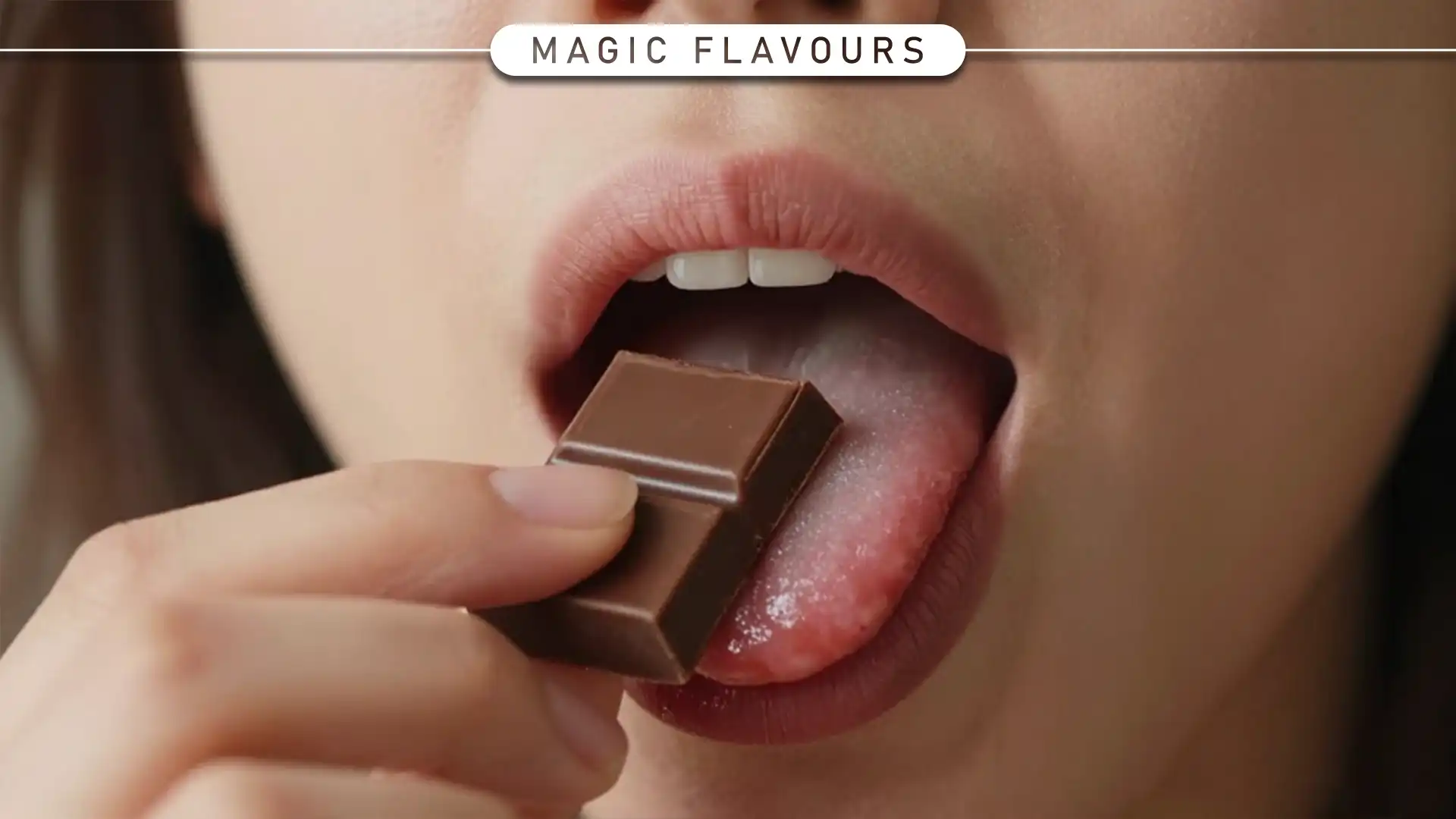
Psychology of Flavors: Flavor is a multisensory percept that combines taste, smell, and mouthfeel. It emerges when the brain integrates signals from the tongue and nose. Together these signals form the rich experience we call flavor.
Importantly, flavor is not the same as taste alone. Taste names basic qualities like sweet and bitter. Smell supplies most of the nuanced notes we recognize.
In addition, context shapes flavor perception in real time. Ambient smell, plate color, and sound all alter experience. Thus, flavor is a dynamic, context-dependent phenomenon.
1.2 Why the psychology of flavors matters

The psychology of flavors explains why people prefer certain foods. It links perception to memory, culture, and emotion. This link helps us predict and influence food choices.
Practically, flavor psychology guides chefs and product developers. Small changes in aroma or texture can shift liking. Therefore, the field has clear industry relevance.
Beyond commerce, flavor psychology affects health outcomes. Preferences shape diet quality and long-term habits. Understanding drivers helps design better nutrition interventions.
1.3 Scope and structure of this article
This article surveys sensory science, cognition, development, and culture. It also covers neuroscience, research methods, and practical applications. Each section pairs theory with real-world examples.
First, we examine sensory foundations and multisensory integration. Next, we explore cognitive drivers like expectation and memory. Later sections address culture, neuroscience, and applied uses.
Finally, the article highlights methods and ethical issues. It closes with open questions and future research directions. This roadmap will help you navigate the psychology of flavors.
2. Sensory Foundations of the psychology of flavors
2.1 Taste modalities
Taste refers to five basic modalities: sweet, salty, sour, bitter, and umami. These modalities signal nutrients and potential toxins to the brain. They provide the foundational axes for flavor perception and preference.
Taste rarely acts alone; it interacts with texture and aroma to form flavor. For example, sweetness often pairs with soft textures in perception. Research documents crossmodal correspondences between texture and taste.
Individual differences shape which modalities dominate experience. Some people rely more on taste than on smell when judging foods. These differences influence preference, choice, and culinary design.
2.2 Olfaction and retronasal smell
Smell supplies most of the qualitative detail in flavor experiences. Retronasal olfaction happens when odorants travel from the mouth to the nose. This route is essential for identifying complex food notes.
Nasal airflow and anatomy shape retronasal odor delivery during eating. These factors influence perceived intensity and identification of flavors. Aerodynamic models help explain species differences in retronasal perception.
Loss or reduction of smell dramatically reduces flavor richness. Clinical anosmia highlights retronasal cues’ central role in flavor. This fact underscores why smell matters for eating enjoyment.
2.3 Texture and trigeminal sensations
Texture covers attributes like viscosity, crunch, and creaminess. Trigeminal sensations add spice, cooling, and chemical irritation. Together they create mouthfeel and influence satiety and liking.
Multisensory studies show texture cues change perceived taste intensity. Crunch can increase freshness, while creaminess can enhance sweetness. Such findings inform culinary technique and product formulation.
Manufacturers manipulate texture to improve acceptance and health profiles. Examples include fat replacers and crisp coatings on snacks. These changes alter perceived flavor and overall satisfaction.
2.4 Vision color and appearance

Vision sets expectations before the first bite. Color, gloss, and plating shape assumptions about flavor and quality. These visual cues then bias subsequent sensory integration.
Experiments show plate color and food hue alter perceived sweetness. Consumers often rate identical foods differently based on appearance. Vision therefore modulates flavor through learned associations and context.
Chefs exploit visual contrast to surprise diners and shift expectations. Subtle color shifts can change perceived freshness and ripeness. Visual design thus becomes a practical tool for flavor crafting.
2.5 Crossmodal interactions and multisensory integration
Flavor arises from integrated signals across senses. Furthermore, crossmodal correspondences link sound, sight, and touch to taste. As a result, integration is rapid and often outside conscious awareness.
In fact, reviews summarize outcomes of pairing elements in flavor design. Consequently, pairing can produce blending, fusion, or confusing mismatches. Therefore, designers use these principles to craft coherent multisensory experiences.
Moreover, avoiding sensory conflict is crucial for acceptance and memory. Thus, coherent multisensory cues strengthen flavor memory and liking. Finally, applied work translates these principles into recipes and products.
3. Cognitive and Emotional Influences in the psychology of flavors
3.1 Expectation and labeling
Expectation shapes flavor before the first bite. Labels, names, and descriptions set a mental template for taste. When a product is labeled “rich” or “light,” expectations shift perception.
These expectations alter attention and sensory weighting during tasting. A positive label can increase reported liking and perceived intensity. Next, we consider how those expectations become memories.
3.2 Memory and associative learning
Associative learning links flavors to outcomes and contexts. A single bad meal can create long-lasting aversion to a flavor. Conversely, repeated positive pairings build strong flavor preferences.
Memory also stores cultural and familial flavor templates for later use. These templates guide expectations and speed recognition during eating. This learning then interacts with attention in real situations.
3.3 Attention and situational context
Attention determines which sensory cues dominate flavor experience. Focused tasting highlights subtle aromas and textures. Distracted eating reduces detection of retronasal notes and nuance.
Situational context like time, place, and company shifts attention. A busy cafe yields different flavor reports than a quiet kitchen. Attention thus mediates how memory and expectation shape taste.
3.4 Emotion mood and affective states

Emotions color flavor valence and intensity. Happiness can enhance sweetness and reduce bitterness perception. Stress or sadness often narrows attention and dulls flavor enjoyment.
Mood effects also influence choice and willingness to try foods. Comfort foods gain power when people seek emotional regulation. These affective links feed into reward systems and decision processes.
3.5 Decision making and reward
Flavor guides value-based choices through reward signals. Moreover, palatable flavors activate neural reward circuits and motivate eating. In addition, nutrient signals and learned associations shape long-term preferences.
Meanwhile, decision frameworks show trade-offs between immediate taste and future goals. Therefore, people weigh flavor reward against health, cost, and social norms. Ultimately, reward and cognition together explain many everyday food choices.
4. Development and Individual Differences
Early life and biology create wide variation in flavor perception. Individual differences arise from sensory, genetic, and experiential factors. These differences shape preferences and eating patterns across the lifespan.
4.1 Early exposure and sensitive periods
Early exposure to flavors begins before birth through amniotic fluid. Breastfeeding and early complementary foods further shape acceptance and liking.
Repeated, varied exposure in infancy increases acceptance of new foods. Thus, sensitive periods offer a window to shape long-term preferences.
These early templates interact with later learning and culture. Next, genetic predispositions modulate how those early experiences register.
4.2 Genetic taste differences
Genetic variation affects bitter sensitivity and overall taste intensity. Some people are supertasters, with dense fungiform papillae and strong bitterness perception.
Genetic taste status predicts vegetable liking and spice tolerance. Designers and clinicians can tailor foods to these biological profiles.
Genes therefore set a baseline that experience can modify. This interplay explains why people respond differently to the same dish.
4.3 Age related changes
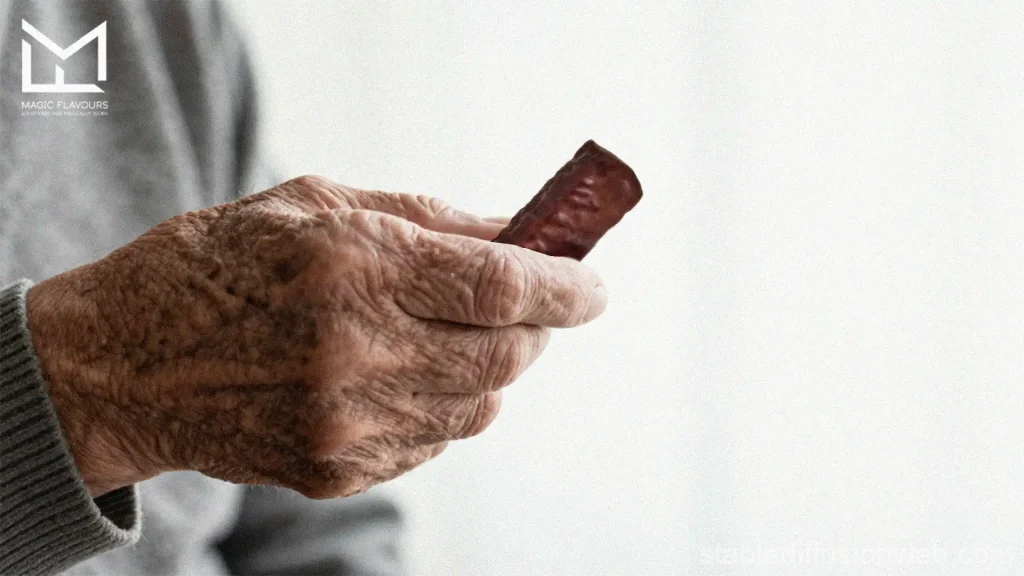
Taste and smell often decline with age. Reduced chemosensory function lowers flavor intensity and food enjoyment.
These changes can reduce appetite and alter nutrient intake. Adjusting texture, aroma, and seasoning can improve older adults’ intake.
Age effects also interact with health and medication status. Understanding these interactions helps maintain nutrition and quality of life.
4.4 Personality eating styles and food neophobia
Personality shapes willingness to try new flavors. High neophobia predicts avoidance of unfamiliar foods and limited diets.
Traits like openness and sensation seeking increase variety seeking. Parental modeling and exposure can moderate neophobic tendencies over time.
Eating styles such as restrained or emotional eating also matter. They influence how people use flavor for comfort or control.
4.5 Physiological and health influences in the psychology of flavors
Illness, medication, and hormonal changes alter taste and smell. These physiological shifts change flavor salience and food choice.
Metabolic state and body weight can modulate olfactory sensitivity. Gut signals and metabolic hormones also feed back to flavor valuation.
Clinically, screening chemosensory function can guide dietary support. Tailored interventions can restore pleasure and improve dietary outcomes.
5. Cultural and Social Factors of Psychology of Flavors
5.1 Food norms and identity
Food norms guide what people eat, when, and with whom. They signal group membership, status, and moral values. Shared meals and signature dishes reinforce cultural identity and belonging.
These norms shape judgments about health, purity, and prestige. They influence who is invited and who is excluded at the table. Consequently, food choices often act as public statements of identity.
5.2 Rituals symbolic meanings and the psychology of flavors
Rituals assign symbolic value to specific flavors and dishes. Holiday foods evoke memory, lineage, and communal continuity. Ceremonial dishes mark life stages and social roles with taste cues.
The psychology of flavors explains how meaning attaches to tastes. Symbolic meanings then alter emotional responses and consumption patterns. Thus a spice or sauce can carry deep social and moral weight.
5.3 Social learning family and peer influence
Children learn flavors through family modeling and repeated exposure. Parents’ reactions teach acceptance, avoidance, and polite eating habits. Early socialization therefore sets templates for later food choices.
Peers and social groups broaden or constrain flavor exploration. Adolescents often adopt group tastes to signal belonging. Media and influencers further accelerate social learning about foods.
5.4 Marketing branding and expectation shaping
Brands use packaging, names, and claims to set expectations. Marketing frames flavor as premium, healthy, or indulgent. These frames prime consumers before tasting and shape reported liking.
Sensory branding pairs visual and auditory cues with taste. Color, typography, and music can change perceived sweetness. Marketers exploit crossmodal links to increase acceptance and sales.
5.5 Globalization culinary exchange and fusion
Globalization spreads ingredients, techniques, and chefs across borders. Migration and media accelerate culinary exchange and innovation. This flow creates new norms and hybrid flavor repertoires.
Fusion cuisines reshape identity and open palates to novelty. They also spark debates about authenticity and cultural power. Understanding these dynamics clarifies why modern tastes keep evolving.
6. Neuroscience and Mechanisms of Psychology of Flavors
6.1 Brain regions for flavor processing
The gustatory cortex encodes taste quality and integrates olfactory inputs during eating. Single neurons weigh taste and odor reliability when forming unified flavor percepts. This integration happens rapidly and supports immediate food decisions.
Primary taste cortex lies in the insula and frontal operculum. Higher regions, notably the orbitofrontal cortex, represent flavor identity and value. Damage to these areas impairs recognition and the hedonic evaluation of foods.
6.2 Neural pathways for multisensory integration
Peripheral taste signals travel from tongue to brainstem nuclei and thalamus. Olfactory signals reach cortex via piriform and orbitofrontal routes, joining taste streams. Timing and retronasal airflow shape how odorants reach the olfactory cortex.
At the cortical level, neurons can encode mixtures differently than components. Some gustatory-cortex neurons distinguish odor–taste mixtures from single cues. This neural coding supports perceptual binding and coherent flavor experience.
6.3 Plasticity learning and memory in flavor circuits
Flavor circuits show experience-dependent plasticity across cortex and subcortex. Imaging and lesion studies highlight insula and OFC changes after learning and exposure. Plasticity also reflects metabolic and hormonal states that modulate responses.
Synaptic and network changes underlie learned preferences and aversions. Animal and human work shows conditioning alters cortical tuning and behavior. These durable changes form memory traces that guide future food choices.
6.4 Neurochemistry of taste and reward
To begin with, neurochemistry links flavor to motivation through dopamine and opioid systems. Moreover, dopamine signals predict value and guide approach and seeking behavior, while hunger and satiety hormones modulate these neurochemical effects. In addition, endogenous opioids amplify hedonic impact and orosensory pleasure. Taken together, these systems translate sensory input into eating decisions. Finally, pharmacological studies confirm that altering these pathways changes liking.
7. Methods and Research Approaches
7.1 Psychophysics and sensory thresholds
Psychophysics quantifies detection, discrimination, and scaling of taste and smell. Common tasks include detection thresholds, difference tests, and magnitude estimation.
Dynamic protocols measure temporal changes during eating and drinking. Staircase and forced-choice designs improve sensitivity and reduce bias.
7.2 Neuroimaging and electrophysiology of Psychology of Flavors
To begin with, neuroimaging tools map where flavor signals are processed in the brain. In particular, techniques include fMRI, PET, EEG, and MEG, each with its own trade-offs. Additionally, electrophysiology in animals reveals single-neuron coding of mixtures. Finally, combining imaging with behavioral tasks links brain activity to perception.
7.3 Behavioral experiments and field studies about Psychology of Flavors
To begin with, laboratory experiments use controlled stimuli and randomized designs. Moreover, they test the causal effects of labels, color, sound, and texture on taste. In contrast, field studies capture real-world eating and offer greater ecological validity. Additionally, experience sampling and pop-up tastings reveal context-dependent responses.
7.4 Qualitative methods and ethnography
To start, qualitative methods uncover meanings that numbers miss. Moreover, interviews, focus groups, and participant observation reveal cultural flavor scripts. In addition, ethnography traces rituals, symbolism, and the family transmission of tastes. Finally, mixed methods integrate these insights with quantitative sensory data, creating a fuller picture of how flavor is understood and experienced.
7.5 Measurement challenges and best practices
Measurement faces adaptation, context effects, and large individual differences. Crossmodal confounds and inconsistent reporting also reduce reproducibility.
Best practices include standardized stimuli, trained panels, and pre-registration. Triangulate methods, report context, and use dynamic measures for richer data.
8. Applications and Implications
8.1 Culinary design and sensory pairing of Psychology of Flavors
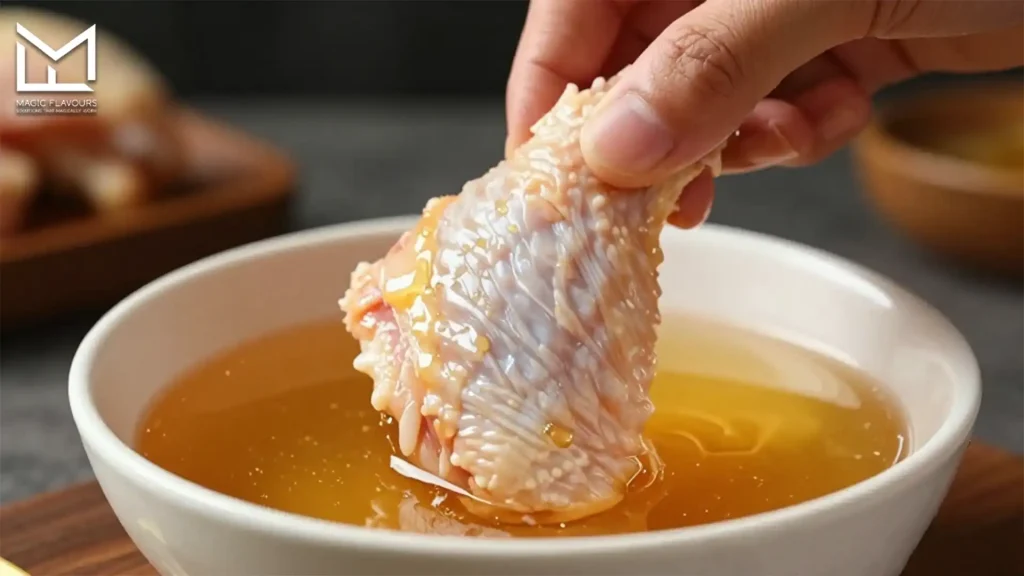
Chefs use sensory pairing to create balanced and surprising dishes. They combine taste, aroma, and texture to maximize harmony and contrast.
Pairing principles rely on shared volatile compounds and cultural familiarity. Unexpected pairings can delight diners and expand flavor repertoires.
Thus, culinary design applies psychology of flavors to elevate dining. It transforms meals into multisensory experiences with emotional resonance.
8.2 Product development sensory marketing and the psychology of flavors
Food companies design products by aligning sensory cues with consumer expectations. Packaging, naming, and branding prime perception before tasting begins.
The psychology of flavors explains how labels and imagery alter liking. Marketers use color, sound, and texture cues to reinforce flavor identity.
Successful products integrate sensory science with cultural narratives. This approach builds trust, loyalty, and emotional connection with consumers.
8.3 Public health behavior change and nutrition
Flavor psychology informs strategies to improve diet quality. Reducing sugar or salt requires compensating with aroma or texture.
Behavioral nudges use labeling and context to shift preferences. For example, descriptive menus increase vegetable acceptance and intake.
Public health campaigns apply these insights to encourage healthier choices. They balance enjoyment with nutrition, making change sustainable and appealing.
8.4 Clinical and therapeutic uses
Flavor interventions support patients with sensory loss or illness. Modified textures and aromas restore pleasure and improve intake.
Therapies use flavor cues to stimulate appetite and memory. For dementia patients, familiar flavors evoke recognition and comfort.
Clinical applications highlight flavor’s role in quality of life. They show psychology of flavors extends beyond enjoyment to healing.
8.5 Ethical considerations and accessibility about Psychology of Flavors
To begin with, flavor design raises ethical questions about manipulation and transparency. Moreover, marketers must avoid misleading claims or exploitative sensory tricks. In addition, accessibility requires designing for diverse sensory abilities, and products should accommodate age, illness, and cultural differences. Ultimately, ethical practice ensures that flavor innovation builds trust and inclusion, as it aligns sensory creativity with responsibility and consumer well-being.
9. Conclusion
9.1 Key takeaways about Psychology of Flavors
The psychology of flavors shows flavor is multisensory, cognitive, and cultural. Taste, smell, texture, and vision combine to create unified experiences.
Cognition, memory, and emotion strongly shape flavor perception and preference. Culture and social context further embed meaning and identity into food.
Together, these factors explain why flavor is both universal and deeply personal. They highlight flavor as a bridge between biology and human experience.
9.2 Open questions and future directions
To begin with, many questions remain about neural coding of complex flavor mixtures. In addition, future research must clarify how brain circuits adapt across the lifespan. Furthermore, cross-cultural studies could reveal universal versus culture-specific flavor rules. Likewise, digital tools may expand research into virtual and augmented flavor experiences. Finally, applied work should explore ethical boundaries in sensory marketing, and balancing innovation with transparency will remain a central challenge.
9.3 Final thought about Psychology of Flavors
Flavor is more than chemistry; it is memory, culture, and emotion. Understanding its psychology can improve health, design, and human connection.
To begin with, readers are encouraged to notice how context changes flavor daily. Moreover, reflecting on these shifts deepens appreciation and informs conscious choices.
The psychology of flavors invites collaboration across science, art, and society. Together, we can craft experiences that nourish both body and mind.
 English
 Arabic
 Turkish
 Persian