


The Complete Guide to Shisha Packaging Design
- No Comments
Have you ever wondered why some hookah tobacco brands stand out on the shelf while others blend in? Effective packaging design is a powerful tool that protects the product, attracts customers, and communicates your brand’s identity. In this guide, we’ll explore the role of packaging for shisha (hookah) products, the common packaging formats, design steps, creative ideas, regulatory considerations, key design principles, and future trends in the industry. We’ll answer questions like “What makes shisha packaging important?” and “How can you create a packaging design that resonates with your market?”. Let’s dive in!
The Role and Value of Packaging Design in Shisha Products
Packaging does much more than just hold tobacco – it shapes consumer perception and purchase decisions. Shisha brands often use bright colors, bold patterns and detailed labels to catch the eye. A well-crafted package not only protects the tobacco’s freshness (by blocking air, moisture, and light), but it also builds brand recognition and sets products apart from competitors. For example, a distinctive box or tin design can make customers “recall and recognize the design”, fostering loyalty. In a crowded market, attractive packaging gives a unique identity – an appealing design can help a product “distinguish your shisha tobacco from rivals in an overcrowded marketplace”. Moreover, good packaging communicates essential information (flavor, ingredients, health warnings) clearly, helping you comply with regulations while educating consumers. In short, effective shisha packaging protects the product, engages buyers, and reinforces your brand.

The Importance of Shisha Packaging Design
The importance of packaging design lies in its protective function and marketing power. Airtight, UV-resistant containers keep shisha fresh for longer. Eye-catching artwork and branding on boxes, jars or tins signal quality and style – qualities often associated with traditional shisha culture. Good design helps brands tell their story and stand out, which is crucial in a niche market. When customers see a sleek, well-designed package, they “have confidence in your products” and are more likely to try them.
What Is the Purpose of Shisha Packaging Design?
The purpose of packaging design is multifaceted: it protects the product, attracts the target audience, and communicates brand identity. Strong packaging creates shelf appeal, helping the product stand out at the point of purchase, while remaining practical for stacking, shipping, and storage—whether sold in retail or online. Ultimately, packaging acts as a powerful marketing tool, conveying the essence of the product and supporting promotions such as limited editions or gift sets to drive sales.
Advantages of Effective Shisha Packaging Design
Effective shisha packaging delivers several key benefits:
- Freshness and Safety: Airtight, resealable packaging preserves moisture and flavor while protecting against damage or tampering.
- Brand Recognition: Consistent visual elements strengthen brand identity and improve recall.
- Competitive Advantage: Distinctive designs and formats help products stand out in crowded markets.
- Regulatory Compliance: Proper layout ensures clear placement of health warnings, ingredient lists, and age restrictions.
- User Appeal: Practical features such as easy-open lids or resealable zippers enhance usability.
- Marketing Flexibility: Well-designed packaging can support promotions, seasonal releases, or new flavors without major redesign costs.
By investing in thoughtful packaging design, shisha brands can safeguard product quality, improve customer experience, and leave a lasting impression in the market.
Common Types of Packaging Used for Shisha Products
Common shisha packaging types include:
• Box Packaging: Cardboard boxes (often with an inner foil or bag) are popular for larger quantities. Boxes provide a lot of space for branding and artwork. They protect tobacco during shipping and can hold multiple smaller packs or pouches inside.
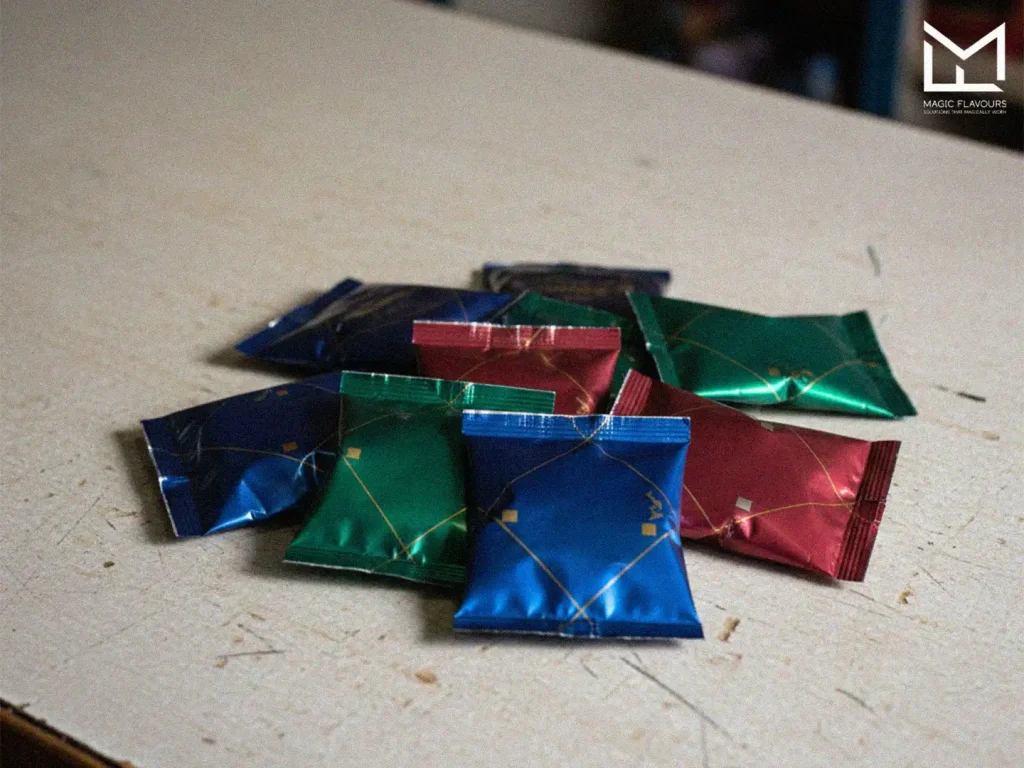
- Pouch/Sachet Packaging (Trending): Lightweight foil or plastic pouches are cost-effective and often resealable. Typically available in 15g or 25g sizes, they are portable, visually appealing with vibrant prints, and ideal for single or few-session use. However, they are generally less durable than jars or tins.
- Jar & Container Packaging: Plastic tubs or glass jars provide a durable, reusable option. They preserve moisture, convey a premium feel, and—when clear or tinted—showcase the tobacco, making them ideal for luxury or high-end brands.
- Tin Packaging: Cylindrical metal tins are a traditional choice for shisha. Durable, lightproof, and often finished with embossing or polish, they create a high-quality impression and are well-suited for retail displays.
- Tube Packaging: Mostly used for shisha charcoal or narrow accessories, cylindrical tubes are less common for tobacco. They offer a distinctive, Middle Eastern-inspired look and can add novelty to the product lineup.
• Eco-Friendly Packaging: With rising demand for sustainability, biodegradable bags, recycled paperboard boxes or compostable films are trending. Eco-packaging resonates with environmentally conscious smokers.
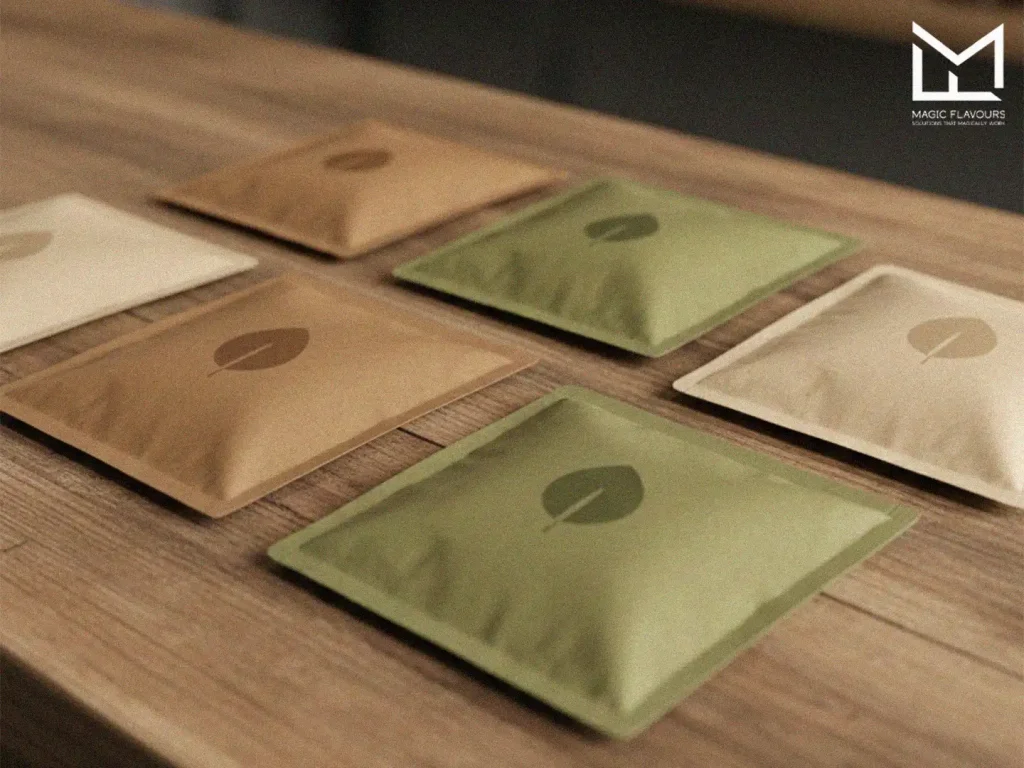
• Luxury / Premium Packaging: High-end lines may use ornate boxes or wooden chests, metallic tins with lacquer, or glossy artwork to signal exclusivity. For example, a glossy metal tin or embossed jar gives a premium feel that can justify a higher price.
• Minimalist Packaging: Some brands opt for clean, simple designs with limited text and colors. Minimalist packs use negative space and basic fonts to convey sophistication and modernity.
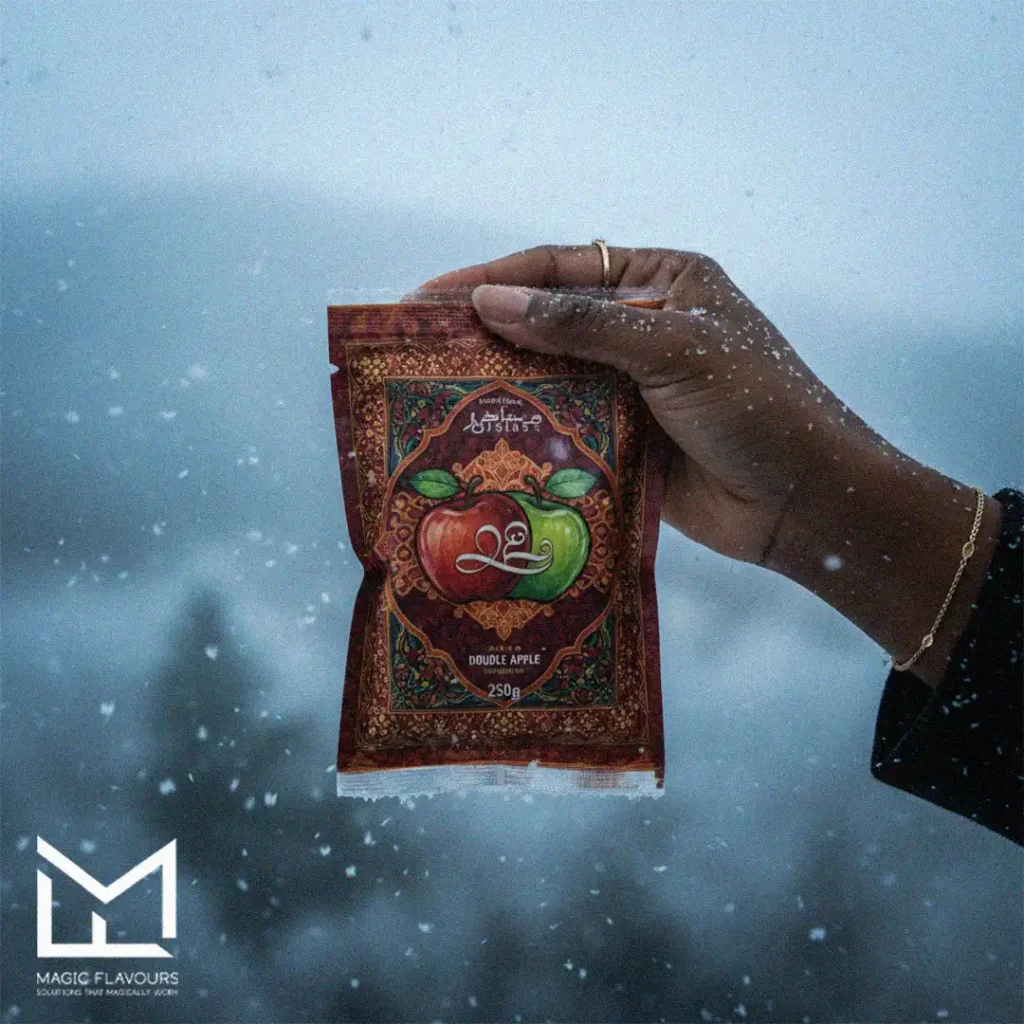
• Cultural / Traditional Packaging: Designs influenced by Middle Eastern art and Arabic calligraphy connect with shisha’s heritage.
Designing effective shisha packaging requires a structured and strategic approach. The process begins with understanding customer and market needs through research. Identify your target audience, study competitor packaging, and spot gaps or trends such as portability, sustainability, or premium presentation. For example, demand for convenience may point to smaller 15–25g packs.
Next, define your brand identity. Clarify your brand’s values, personality, colors, fonts, and visual style. Packaging should align seamlessly with your overall brand to build recognition and trust.
Legal and regulatory compliance is critical. Research packaging laws in each target market and plan early for mandatory health warnings, ingredient lists, age marks, and tax stamps to avoid costly redesigns.
Then, choose the packaging type and structure—box, pouch, jar, or tin—based on product positioning, price point, and sales channel. Retail often favors visually striking formats, while e-commerce requires durability.
Material selection should balance protection, brand perception, and sustainability. Use food-safe, moisture-barrier materials and consider recyclable or eco-friendly options.
Prioritize functionality and user convenience with easy opening, reliable resealing, ergonomic shapes, and practical sizes.
Before launch, prototype and test for appearance, durability, and usability. Finally, move to production and printing, ensuring accurate colors, finishes, and quality control.
Following this process ensures shisha packaging that is compliant, functional, and aligned with brand strategy.
Shisha Packaging Design Ideas for Shisha Products
Creating Innovative
To stand out in a regulated market, shisha brands can explore innovative packaging concepts that respect shisha culture and enhance user experience. Transparent packaging—such as clear windows or translucent containers—allows consumers to see the tobacco’s color and texture, reinforcing quality and trust while offering durability and reusability.
Middle Eastern–inspired designs draw on shisha’s heritage through Islamic geometric patterns, Arabic calligraphy, or rich ornamental details. These elements create authenticity and can elevate a product into a premium or artisanal category.
Multi-layered packaging adds a refined unboxing experience. Slide-open boxes, inner foil pouches, or multi-compartment designs make products feel gift-worthy and are ideal for sampler collections.
Adding interactive elements—such as magnetic closures, hinged lids, or QR/NFC technology—can surprise users and connect them to preparation tips, flavor stories, or brand content. Unique shapes, like cylindrical tins or hookah-inspired silhouettes, can further differentiate a product, provided they remain practical for production and retail.
There is no single “best” packaging shape. Cylindrical jars suit traditional use and tables, while rectangular boxes and pouches stack easily for retail and shipping. The ideal form balances brand identity, shelf impact, cost, and logistics, ensuring both visual appeal and operational efficiency.
Global Regulations
Packaging design in the tobacco industry is tightly regulated worldwide, and shisha (hookah) tobacco is generally subject to the same laws as other tobacco products. These regulations significantly shape how shisha packaging can appear, particularly in major markets such as the EU, Australia, and Canada.
In the European Union, the Tobacco Products Directive (TPD) requires all tobacco packaging to display combined pictorial and text health warnings covering at least 65% of the front and back. Misleading descriptors such as “light” or “mild” are banned, flavors deemed appealing to youth are restricted, and branding elements are heavily limited. As a result, EU-compliant shisha packaging must be factual, restrained, and dominated by health warnings.
Australia introduced plain packaging in 2012 and enforces some of the world’s strictest rules. Shisha tobacco must be sold in standardized dark brown packs with no logos, colors, or decorative elements. Graphic health warnings cover up to 75% of the surface, and recent updates extend warnings to individual smoking sticks.
Canada followed with similar plain-packaging regulations between 2023 and 2024. Shisha products must use uniform drab brown packaging, carry large pictorial warnings covering 75% of the pack, and display only minimal brand text.
Many other countries, including the UK and France, follow comparable approaches. Globally, the trend is clear: eliminate branding impact and maximize health messaging. While often discussed in relation to cigarettes, these rules apply equally to shisha tobacco in regulated markets.
Health Warning, Font, and Image Requirements
Tobacco regulations define precise rules for health warnings and mandatory text on shisha packaging. A key requirement is size and coverage: warnings must occupy a significant portion of the pack, such as 65% in the EU and up to 75% in Canada, with some markets requiring rotating warning sets.
Most countries also mandate graphic pictorial warnings, combining disturbing health images with clear text statements like “Smoking causes lung cancer.” Shisha products are subject to the same rules, often with hookah-specific wording such as “Smoking hookah causes heart disease.”
Font and legibility are strictly regulated. Warning text must use approved fonts (commonly Arial or Helvetica), minimum sizes, and high-contrast color combinations to ensure visibility, in line with WHO Framework Convention on Tobacco Control guidelines.
In markets with standardized colors and layouts, such as Australia and Canada, background colors, font size, and placement are fixed, and decorative typography or bright colors are prohibited.
Overall, shisha packaging must be designed around highly prominent health warnings and exact layout rules. Brands should always verify country-specific regulations, as non-compliance can result in fines or sales bans.
Branding Rules for Shisha Tobacco
Modern tobacco regulations place strict limits on how shisha products can be branded on packaging. In jurisdictions with plain packaging laws—such as Australia, Canada, and many EU countries—logos, colors, and artwork are prohibited. Only the brand name is permitted, usually printed in a standard font, uppercase, and in a dull matte color. Custom typography, metallic finishes, and brand color palettes are not allowed.
Many regions also ban promotional or misleading elements. Claims such as “fresh,” “organic,” or expressive flavor names may be restricted or prohibited, particularly if they are seen as appealing to youth. Some markets require generic flavor descriptions or restrict flavor naming entirely.
Even functional elements like barcodes and logos are regulated, with strict rules on size, placement, or complete omission. In addition, certain laws impose material, size, or shape restrictions to discourage small or low-cost packs.
As a result, compliant shisha packaging must remain sober and restrained. Successful brands adapt by relying on strong brand names, consistent typography within legal limits, and subtle differentiation through permitted colors, structure, or pack shape rather than decorative design.
Practical Packaging Tips
Choose pack sizes that match usage and lifestyle. Shisha tobacco typically ranges from small, portable packs (15–25g for one or two sessions) to larger tubs (100g+) for regular smokers or lounges. A 15g pouch suits travelers, while 50g–100g packs fit everyday use.
Use secure lids and seals to protect freshness. Resealable zippers, screw-top jars, and airtight closures prevent leaks, preserve moisture, and block odors. Tamper-evident seals such as shrink bands add safety and build consumer trust.
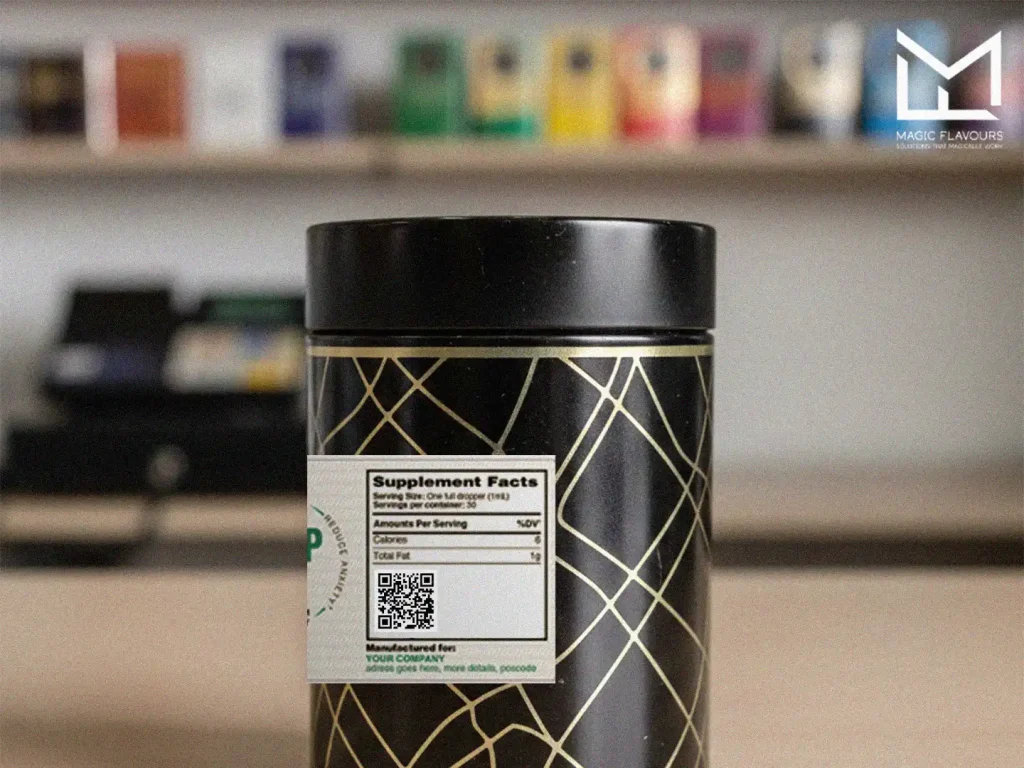
Integrate QR codes to enhance engagement. A simple scan can lead to preparation tutorials, flavor guides, or brand content without overcrowding the design.
Plan space carefully for regulatory text. Health warnings, ingredients, and legal information should follow required font sizes and remain clearly separated from branding elements.
Great packaging feels intuitive. Ensure easy opening, reliable reclosing, and comfortable handling. Rounded edges, good grip, and clear instructions—via icons or QR links—improve usability and reinforce brand expertise.
By prioritizing user experience, shisha packaging becomes not only visually appealing but also practical, trustworthy, and memorable.
Shisha Packaging with Eco-Friendly Materials
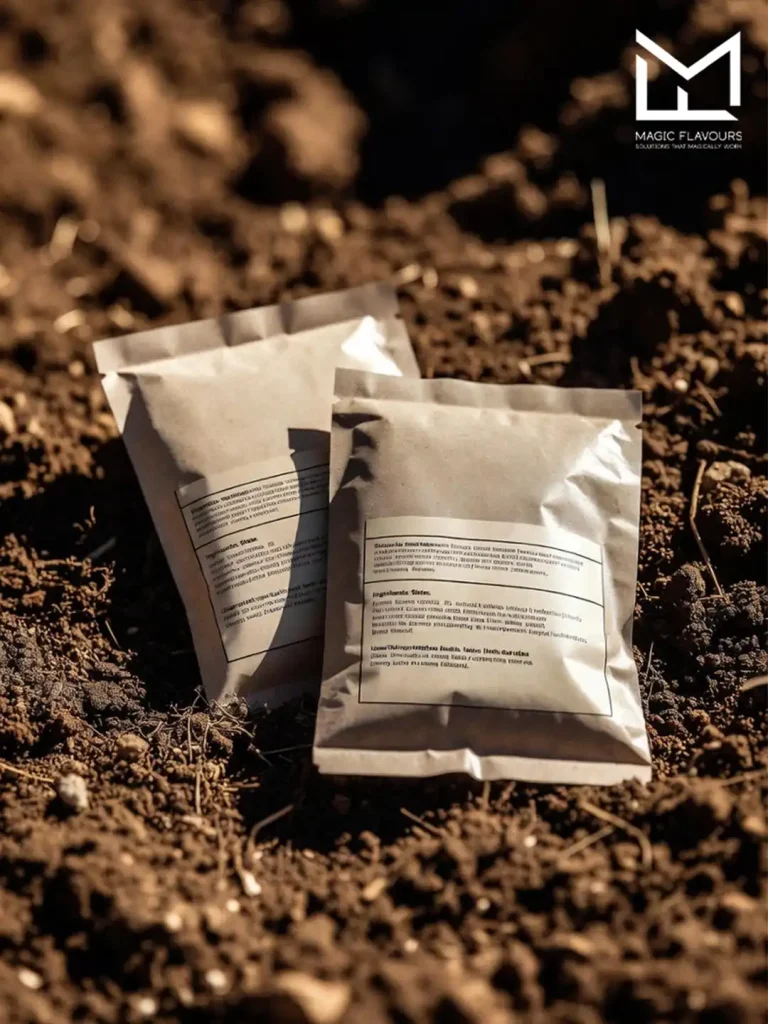
Sustainability is no longer optional. Leading brands are switching to biodegradable materials and recycled content. For example, some manufacturers now use compostable cornstarch bags for tobacco pouches, or paperboard made from post-consumer recycled fiber for boxes. One shisha packaging expert notes that in 2025, “sustainable hookah packaging design is no longer a decorative choice – it’s a compliance requirement and a global expectation”. This means using minimal packaging, avoiding plastics when possible, and clearly labeling your pack as recyclable or biodegradable. Eco-friendly designs can also be highlighted in your branding (earth-tone colors, leaf icons) to appeal to environmental values.
The Future of Shisha Packaging Design
Looking ahead, shisha packaging is expected to become more interactive and technology-driven. Smart packaging may include NFC tags or QR codes to verify authenticity, unlock augmented reality experiences, or offer loyalty rewards. Advanced materials are also emerging, such as improved films that preserve flavor more effectively or smart inks that change color if quality degrades. Some brands are exploring micro-perforated films to better regulate moisture.
Customization will become easier through short-run digital printing, enabling personalized packaging or limited-edition designs. Meanwhile, experience-focused design may integrate packaging into the smoking ritual itself, such as packs that convert into ashtrays or include reusable accessories.
Across all trends, sustainability and user engagement remain central. As global markets—especially in the EU and Middle East—demand responsible packaging, brands that balance eco-friendly innovation, functionality, and strong branding will lead the future of shisha packaging.

 English
 Arabic
 Turkish
 Persian