

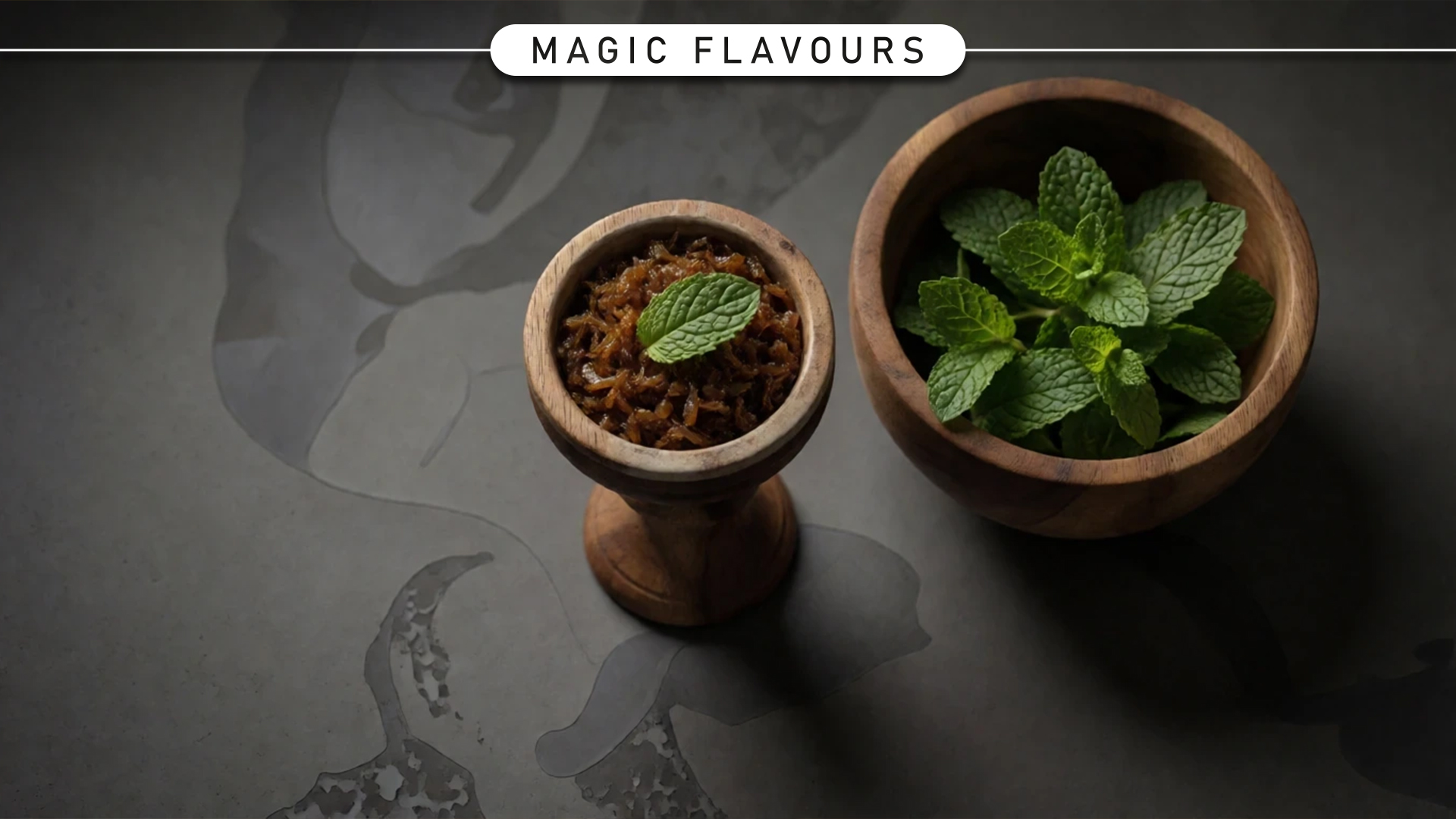
Mint is one of the most familiar notes in shisha, and one of the easiest to get wrong. Used well, it lifts a blend and gives it a clean, fresh finish. Used carelessly, it flattens everything around it. For manufacturers, a good mint shisha flavour is rarely about adding more mint. It is about deciding what mint is there to do.
This guide covers how mint behaves alongside fruit, citrus and richer profiles, how to stop it taking over, and how to choose combinations that give your range a clear identity.
Why Mint Works So Well in Shisha and Hookah Blends
Mint plays two roles. It can sit in the background as a lift, or it can step forward as the defining character. That flexibility is why mint appears in so many shisha and hookah blends, and also why so many of them taste alike.
The first decision is which type of mint to use. Peppermint-style profiles tend to be sharper and more cooling. Spearmint-style profiles are usually softer, sweeter and more herbal. A cooling, menthol-led profile can make a rich fruit blend feel fresher. A gentler spearmint note is worth testing with delicate flavours that a strong mint could drown.
Before you start blending, decide whether mint is the headline or the supporting act. Every later decision follows from that.
Mint and Fruit Combinations That Keep the Fruit Clear
Fruit and mint are a natural pair, but the fruit has to stay recognisable. If a taster cannot name the fruit, the blend has become a mint blend with a hint of something sweet.

Watermelon and mint: Light and refreshing, but watermelon is delicate. A strong mint can erase it, so a softer spearmint-style note is worth testing first.
Strawberry and mint: Sweet and herbal. Depending on the strawberry profile, the result can be soft and dessert-like or bright and tangy.
Mango and mint: Mango is rich and heavy, so mint can lighten it. The risk is that mint cuts through the tropical depth you wanted to keep.
Blueberry and mint: Berry profiles can differ a lot between suppliers. Test several and pick the one that keeps the berry character clear.
Peach, grape, pineapple and mixed berries are also worth trying. The test is the same each time: can you still name the fruit straight away?
Mint and Citrus for a Brighter Profile
Citrus and mint both read as clean and bright, so they can reinforce each other or compete for the same space.
Lemon and mint: A sweeter lemon gives a soft, rounded result. A sharper lemon creates more contrast.
Lime and mint: Zesty and punchy, but easy to overdo. If either note is too strong, it masks the other.
Orange and mint: Rounder and juicier, with mint adding contrast to the sweetness.
Grapefruit and mint: A more complex option for blends that want some bitterness.
With citrus, more intensity rarely makes a better blend. Keep both notes distinct and let them work side by side.
Mint Beyond Fruit: Tea, Vanilla, Chocolate and Coffee
Tea, vanilla, chocolate and coffee offer other ways to differentiate a mint-based product range.
Mint and tea: Green tea brings delicate, grassy notes. Black tea is fuller and more aromatic. The mint should support the tea, not hide it.
Mint and vanilla: Fresh herbal notes against a smooth sweetness. The balance depends on how strong each one is.
Mint and chocolate: A familiar contrast of creamy, cocoa-like depth and fresh mint. Neither should dominate.
Mint and coffee: Less conventional. Roasted bitterness sits against the mint, but compatibility varies by profile, so test carefully.
Contrast can work as well as similarity. The blend still needs to taste like one product, not two flavours taking turns.
How to Keep Mint from Overpowering the Main Flavour
Even a good flavour pairing can fall flat if the mint is too strong. A few simple checks can help you get the balance right.
- Name the main flavour first. If the product is meant to be “watermelon”, that is your target every time you taste a sample.
- Match the mint to the partner. A sharper mint is a good starting point for bold flavours, and a softer mint for delicate ones.
- Change one variable at a time. If you change the mint, the base and the sweetness together, you will not know which change helped.
- Judge the whole profile. Ingredients that smell great alone can behave differently together.
- Taste more than once. Check each sample at the start of a session and again later, because the balance between mint and the main flavour can shift.
- Keep records. Note versions, proportions, testing conditions and feedback so you can repeat a successful blend.
A simple scorecard keeps tasting consistent. Rate each sample from 1 to 5 on these points:
|
Criterion |
What to ask |
|
Main flavour recognition |
Can you recognise the fruit, tea or dessert note straight away? |
|
Mint intensity |
Does the mint support the blend or dominate it? |
|
Balance |
Do the flavours work together or compete? |
|
Finish |
Is the aftertaste clean and pleasant? |
|
Concept match |
Does the sample match the original brief? |
A quick example. Say the concept is watermelon-mint, and the first sample scores low on recognition because the mint dominates. You change only the mint profile to a softer spearmint-style note and keep everything else the same. If recognition improves and balance holds, you have learned something specific. If not, you adjust one variable again. This approach is slower than guessing, but it gives you blends you can repeat.
There is no universal ratio that works for every formulation. Your supplier’s technical team can help you set final proportions through product-specific testing.
Choosing the Right Mint Combination for Your Product Range
Once you can build a balanced blend, the next question is which blends belong in your range.
Start with direction. Fruit and mint feel familiar, citrus and mint feel brighter, and tea, vanilla, chocolate or coffee add a different dimension. Then check for overlap. If your range already has several mint products, each new one needs a clear reason to exist. Watermelon-mint should feel like a different experience from lemon-mint, not just a stronger or weaker version of it.
Also think about who each blend is for. A light fruit-and-mint product and a tea-and-mint product may suit different buyers, so decide which customer and market you are building for before you commit to development.
Regulatory requirements. Rules on flavourings, labelling and product claims differ between markets. Confirm the requirements for your target countries before development goes too far.
Finally, score every sample against the same criteria: the main flavour is recognisable, mint does its intended job, and the result matches the concept.
A good mint shisha flavour comes from compatible profiles, controlled intensity and structured testing. Pick the main flavour, match the mint to it, change one thing at a time and score every sample the same way.
Looking for mint profiles for your next blend? Contact our team to discuss available flavours, request samples and get product-specific technical information.
 English
 Arabic
 Turkish
 Persian