


How to start a shisha tobacco manufacturing business comes down to five decisions, made in order: who you sell to, how much you produce, which equipment fits that volume, how you stay compliant, and which products you launch first. Buy machinery last. This guide is for entrepreneurs, investors, and existing hookah molasses producers. Costs, licensing, and technical requirements vary by country, facility size, product type, and capacity, so verify every legal point with your local authorities.
1. Define Your Business Model and Target Market
Choose one model before you plan anything else: your own brand, contract or private-label production for other brands, or both. Own-brand production offers higher margin potential but adds sales and marketing costs, while contract work needs steady capacity and a few reliable clients. Each target market has its own labelling, ingredient, and import rules, so name the distributors or brand owners who would place your first three orders before you spend on a building.
2. Determine Your Production Capacity
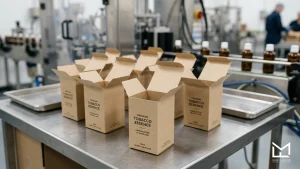
Size your plant from demand, not from machine catalogs, using signed orders, distributor commitments, or sales data from a similar brand. Installed capacity is not actual output. Real output falls below the rated figure because of flavor changeovers, cleaning, maintenance, material delays, and batches held for quality checks, and the more flavors you run, the wider the gap. Plan around a working number, and leave room for a second machine or shift.
3. Plan Your Factory Layout and Infrastructure
A shisha tobacco manufacturing plant setup typically needs dry storage for tobacco and packaging, a separate ventilated area for flavors, production and packing space, a small quality-control area, and utilities and fire protection that meet local codes. Treat this as a suggested pattern, not a universal standard, because the workflow should reflect your product, equipment, hygiene requirements, and local regulations. Ask a qualified factory designer to size the space for your plan.
4. Identify Raw Materials and Reliable Suppliers

Your main inputs are tobacco, sweeteners or humectants, flavor concentrates, and packaging. Ask each supplier for specifications, ingredient declarations, quality documents, samples, lead times, and proof of batch consistency, and confirm which documents your product and destination market require. Do not choose on price alone, since an inconsistent input costs more in rejected batches than you save, and keep a backup supplier for critical items. Magic Flavours supplies shisha flavor concentrates and offers custom flavor development, but whoever you pick, test samples in your own base before committing to volume.
5. Choose the Right Shisha Tobacco Production Line
A shisha tobacco production line usually covers preparation, mixing with flavor, resting, and packing. Manual and semi-automatic lines cost less upfront and suit small batches and many flavors, while fully automatic lines cost more and give more consistent output with less labor. Do not decide on order volume alone: compare labor cost, cleaning time, flavor-changeover time, and after-sales service. Before you buy any shisha tobacco manufacturing equipment, ask each supplier whether the machine has run a moist, sticky product like yours, how long changeovers take, who provides spare parts and local service, and whether you can run a trial with your own material before full payment.
6. Calculate Startup Costs and Working Capital

Costs vary widely, so build your estimate from real quotes covering the building, equipment, licensing, product development, packaging, staff, utilities, marketing, logistics, and taxes or duties. Working capital keeps you running between buying inputs and getting paid, because you pay for tobacco, flavors, and packaging first and then wait through production and your customers’ payment terms. A wide flavor range ties up more cash in stock, so add a contingency for maintenance, spare parts, and unexpected costs.
7. Understand Licensing and Regulatory Requirements
Depending on the country, requirements may include business and factory registration, tobacco manufacturing permits, tax registration, product notifications, labeling approvals, and safety permits. In the European Union, manufacturers and importers report ingredients, emissions, and toxicological data through the EU Common Entry Gate (EU-CEG), and the Tobacco Products Directive defines waterpipe tobacco as a tobacco product, but member states apply it nationally. In the United States, FDA’s registration and product listing requirement applies to hookah tobacco manufacturers (see the FDA guidance for domestic establishments), and a proposed rule would extend the requirements to foreign manufacturers, so check its status if you plan to export. Confirm the applicable requirements with your national tobacco or health authority and a local tobacco-regulation lawyer before investing in your facility. Magic Flavours can discuss regional market and regulatory considerations, but your authorities have the final say.
8. Develop Your Product Range and Quality-Control Process
Launch with a few consistent flavors, not a long list, and choose them based on your market and positioning: premium or value, traditional or modern, local or export taste. Custom flavor development can help you create a product profile that better fits your target market and brand positioning. Run pilot batches before you scale, evaluating them against defined quality specifications, batch-to-batch consistency, packaging stability, and any testing your market requires. Keep the quality process simple: check incoming materials, run in-process checks, test finished product before release, and keep retained samples and batch records for traceability.
9. Plan Your Brand, Packaging, and Distribution
Set your brand identity, pack sizes, and price tier before you order packaging, and check each market’s labelling and warning rules first, since they limit your design space. Choose your channels early: distributors, direct sales to lounges and retailers, or export agents. Tobacco advertising and online sales rules vary by country, so confirm them before you budget, and ask your first distributors what they need on sample policy, payment terms, and delivery times.
Looking for guidance on shisha packaging?Read our
complete guide to shisha packaging design to learn more.
10. Common Mistakes to Avoid When Setting Up a Shisha Factory
- Buying equipment before confirming demand
- Planning around installed capacity instead of real output
- Launching too many flavors
- Underestimating working capital
- Choosing suppliers on price alone
- Skipping pilot batches or treating regulation as a late step
Frequently Asked Questions
How much does it cost to start a shisha tobacco manufacturing business?
It depends on country, plant size, automation, and range. Build your estimate from quotes, and add working capital and a contingency.
What equipment is needed for a shisha tobacco factory?
Most plants need equipment for preparation, mixing, flavoring, resting, and packing, plus quality-control tools.
How much space is needed for a shisha tobacco manufacturing plant?
It depends on capacity, product count, and storage. A factory designer can size it for your plan.
What licenses are required to manufacture shisha tobacco?
Requirements vary by country. Confirm the list with your national authorities and a local lawyer.
How do you choose flavor suppliers for a shisha tobacco brand?
Compare specifications, samples, batch consistency, lead times, and the documents your market requires.
Should you start with a small or fully automated production line?
Start with the line your proven demand can fill. Add automation when steady orders justify the cost.
A shisha tobacco manufacturing business rewards careful planning over speed. Test your market, size your plant honestly, verify licensing, and prove your product in pilot batches before you scale. To discuss your flavor range or market plans:
👉 Contact Magic Flavours R&D Team Today to request custom samples and technical consultations.
 English
 Arabic
 Turkish
 Persian