Skip to navigation Skip to main content
Language
  • English
  • Arabic
  • Turkish
  • Persian
Request a Sample
Menu
  • Home
  • Solutions

    The Ritual That Rewires Relaxation Centers

    That first pull of thick, fragrant smoke swirling in your lungs? Or the bubbling symphony of molasses dripping onto hot coals? Hookah isn’t just vapor, it’s a multisensory ceremony engineered to trigger GABA receptors, activate olfactory memory, and build communal bonding. At Magic Flavours, we craft profiles that resonate deeply, blending tradition with innovation for discerning enthusiasts.

    Go to Shisha / Hookah Flavors

    The Sensory Symphony of Satisfaction

    That first inhale’s sharpness, followed by the smooth exhale’s lingering aroma? Tobacco isn’t just nicotine—it’s a multisensory ritual activating the brain’s reward circuitry (dopamine), memory centres (hippocampus), and even pain-relief pathways (endorphins). At Magic Flavours, we engineer aromas and tastes that deepen this ritual, transforming every draw into a personalized experience.

    Go to Tobacco Flavors

    The Vape That Rewires Pleasure Centres

    That first inhale of vapour hitting your palate? Or the exhale trailing sweet aroma? E-liquid flavour isn’t just vapour—it’s a multisensory hack engineered to trigger dopamine (reward), soothe nicotine receptors, and build habitual satisfaction. At Magic Flavours, we craft profiles that resonate deeply, blending tradition with cutting-edge chemistry for discerning vapers.

    Go to Vape & E-Liquid Flavors

    A Refined Smokeless Sensory Format

    Placed discreetly beneath the lip, snus provides gradual flavour release without combustion or vapour, allowing for controlled nicotine delivery within a contained sensory profile. The experience is defined by subtle oral stimulation and sustained taste clarity. At Magic Flavours, we develop precision-engineered flavour systems optimized for oral applications—enhancing mouthfeel, flavour stability, and performance through advanced formulation science.

    Go to Snus Flavors

    Your Beverage, Reimagined

    From daily refreshment to moments of indulgence, beverages have the power to lift moods, energize, and connect people. At Magic Flavours, we design flavors and colors that transform every drink into an experience worth remembering.

    Go to Beverage Flavors

    The Brain’s Sweet Symphony

    That first bite of chocolate melting on your tongue? Or the burst of fruit jelly triggering childhood memories? Neuroscience proves confectionery isn’t just sugar, it’s a dopamine surge, serotonin boost, and nostalgia activation. At Magic Flavours, we engineer tastes that dance with your neurons, turning every treat into a crave-worthy experience.

    Go to Confectionery Flavors

    The Aroma That Rewires Happiness

    That warm, yeasty scent of fresh bread? Or the buttery vanilla waft from a croissant? Bakery aromas trigger amygdala activation which makes emotions and hippocampus recall that helping remember childhood memories. At Magic Flavours, we bake neural magic—turning dough, batter, and fillings into crave-inducing, mood-boosting experiences.

    Go to Bakery Flavors

    Your Dairy, Elevated

    From wholesome morning rituals to indulgent desserts, dairy products connect taste, nutrition, and joy. At Magic Flavours, we craft flavors and colors that transform every dairy experience into a memorable moment.

    Go to Dairy Flavors

    The Visual Symphony That Triggers Neural Rewards

    That vibrant red of a strawberry yogurt? Or the deep indigo of a blueberry smoothie? Color isn’t just aesthetics—it’s a psychological trigger engineered to activate the brain’s reward centers (dopamine), influence mood (serotonin), and drive purchasing decisions. At Magic Flavours, we craft colors that don’t just look good—they feel right, merging science with artistry for maximum impact.

    Go to Color Flavors

    CUSTOM SOLUTIONS

    We go far beyond supplying flavors and colors—we deliver custom, high-performance formulations tailored to your exact market and brand goals. Specializing in hookah tobacco, shisha, snus, vape, beverages, confectionery, and more, we provide ready-to-test samples, expert hands-on technical support, and proven solutions that accelerate your product development, ensure regulatory fit, and drive real market success.

    Go to Costum Solution Service
  • Sustainability
  • Business Consultation
  • Blog
  • About Us
  • Reach Us

Blog

Home / Blog

A product can meet every spec on paper and still fail where it matters most: taste and aroma. A beverage picks up a papery note in storage, a flavored product gains a medicinal edge, or a fermented batch shows too much sulfur or a solvent-like note. These are off-flavors: unwanted taste or aroma characteristics that pull a product away from its intended profile. Off-flavors rarely appear on their own — they point to a change somewhere in the system: a raw material, a process step, fermentation, packaging, or storage. The work starts after spotting the bad taste: finding out what changed, why it happened, and how to prevent it from happening again. What Are Off-Flavors? An off-flavor is an unwanted taste or aroma that falls outside a product's intended profile. The word “off” does not mean a compound is inherently bad — many aroma compounds taste great at one level and terrible at another, depending on the matrix, other ingredients, and target profile. A deviation becomes a true off-flavor when it does not match the approved profile, exceeds an acceptable intensity, or comes from an unwanted chemical, physical, microbial, or process change — a distinction that keeps teams from treating every unfamiliar note as a crisis, or ignoring a real one. What Causes Off-Flavors to Develop? Off-flavors rarely trace back to one ingredient or step — usually several factors interact before the problem becomes noticeable. Common mechanisms include oxidation, heat damage, microbial activity, fermentation imbalance, raw-material deterioration, ingredient interactions, poor sanitation, moisture, light exposure, packaging interactions, and unsuitable storage conditions. Oxidation and Flavor Degradation Oxidation is one of the most common causes of flavor deterioration — sensitive compounds react with oxygen during mixing, filling, packaging, or storage and turn stale, papery, or cardboard-like, especially with heat, light, or poor packaging. Protecting a formulation means controlling the whole system. Thermal Processing and Flavor Changes Heat drives many processes, but too much heat or too much time at temperature pushes a product toward cooked, burnt, caramelized, or degraded notes. The real question is whether temperature and time suit the whole formulation. Microbial Activity and Contamination Microbes produce compounds that change taste and aroma fast. Unwanted growth or contamination can bring on sour, phenolic, sulfurous, or musty notes — which is why sanitation, environmental control, and raw-material quality all matter. Fermentation Imbalance Fermentation adds complexity because the microbes are meant to be there — the goal is to keep activity in range, not eliminate it. Yeast health, nutrients, temperature, pitching, oxygen, and time shape the flavor; diacetyl, acetaldehyde, sulfur compounds, and esters can taste great at the right level and terrible outside it. Raw-Material and Ingredient Issues Some flavor problems start before production — raw materials vary with age, storage, supplier changes, oxidation, moisture, or spec shifts, and ingredients can interact unpredictably. Raw-material checks should cover sensory consistency and storage history. Packaging and Storage A product can taste perfect on day one and still develop an off-flavor in transit or on the shelf, since packaging controls oxygen ingress, light, moisture, and material interactions. Shelf-life testing needs to track sensory stability alongside microbiological and physical stability. Common Off-Flavors and Flavor Defects Sensory descriptors are a useful clue, not a final diagnosis — these deviations are often called flavor defects, since each marks a traceable break from the target profile. Sensory Character Possible Causes Common Risk Points Papery, cardboard-like, stale Oxidation Oxygen exposure, storage, packaging Buttery, butterscotch-like Diacetyl Fermentation, microbial activity Green apple, cidery Acetaldehyde Fermentation, process conditions Sulfurous, egg-like Sulfur compounds Fermentation, microbial activity Cooked corn, vegetal DMS and related volatiles Thermal processing, fermentation Medicinal, phenolic Phenolic compounds, contamination Raw materials, sanitation, processing Metallic Metal interactions, oxidation Equipment, water, packaging Musty Microbial activity, contaminated materials Raw materials, storage Grassy, green Aldehydes, raw-material degradation Raw materials, processing Solvent-like Esters, higher alcohols Fermentation, formulation Sensory descriptors tell you what changed; root-cause analysis tells you why. How Do You Identify an Off-Flavor? A good investigation starts by replacing “the product tastes wrong” with a structured description. Use these steps. Step 1 — Define the sensory character What does it actually smell or taste like — papery, buttery, sulfurous, medicinal, metallic, musty, grassy, solvent-like, sour? A precise descriptor beats a vague complaint. Step 2 — Compare it with the approved profile Compare the affected sample against an approved reference to see exactly which attribute changed and by how much — this matters most when holding flavor consistency across production lots. Step 3 — Determine when the change appeared Was it there in the raw material, right after processing, during fermentation, or only after weeks of storage? Timing narrows the investigation fast. Step 4 — Review raw materials and lot history Check incoming materials for sensory deviations, age, storage history, lot variation, and supplier or spec changes — materials can carry defects and precursors that surface later. Step 5 — Reconstruct the Production Process Walk through the production chain in order — raw materials, formulation, processing, fermentation, sanitation — looking for the deviation that explains what the team is tasting. Step 6 — Investigate packaging and storage If the defect appears after production, check oxygen ingress, headspace, light, temperature, humidity, and packaging interactions. Step 7 — Confirm the cause and validate the fix Combine sensory evidence with process data: sensory descriptor → suspected mechanism → process location → corrective action → sensory confirmation — a chain that keeps the team from guessing through reformulation. How to Prevent Off-Flavors Prevention works better than correction, and it starts long before final inspection. • Control raw materials: store to real stability needs and flag supplier or lot changes. • Control temperature, time, pH, and oxygen: set variables per product and monitor consistently. • Strengthen sanitation: treat it as prevention, not just a final cleaning step. • Protect packaging and storage: shield the product from oxygen, light, temperature, and humidity. • Monitor flavor quality: run routine sensory checks, not just at final release. Can Off-Flavors Be Corrected Once They Appear? Sometimes — it depends on the mechanism. Fermentation- or process-related deviations often improve with adjustment; advanced oxidation, contamination, or irreversible degradation usually cannot be reversed, and masking it with more flavor just adds a second problem. Fixing the underlying cause beats masking it. Before changing the flavor system, confirm whether the flavor itself is causing the problem or simply revealing a deeper process issue. When Do Flavor Problems Require R&D Investigation? Routine checks can catch a deviation but not explain it — complex problems involving flavor compounds, raw materials, processing, packaging, and the product matrix often need deeper formulation and sensory work. Process correction vs. flavor reformulation A new flavor is not always the answer — sometimes the fix is oxygen control, thermal conditions, fermentation parameters, raw-material handling, sanitation, packaging, or storage; other times reformulation is necessary. Rebuilding the target profile When reformulation is right, the goal is to rebuild the full picture — aroma, taste, mouthfeel, aftertaste, balance — not bury the note under a stronger flavor. This is where flavor R&D matters: restoring the intended profile without unnecessary changes. Validating the fix A fix is not done until it is checked against the target profile — sensory comparison, process data, stability testing, or analytical work as relevant. The key question is whether the issue is resolved and the product consistently meets its target profile. Frequently Asked Questions About Off-Flavors What are the most common causes of off-flavors? The most common causes include oxidation, heat damage, microbial activity, fermentation imbalance, raw-material deterioration, poor sanitation, packaging interactions, and unsuitable storage conditions. How do you identify an off-flavor? Define the descriptor, compare against an approved reference, pin down timing, then trace raw materials, processing, packaging, and storage for the likely cause. What are common off-flavor examples in food and beverages? Common examples: papery, buttery, sulfurous, medicinal, metallic, musty, grassy, and solvent-like notes. See the table above for causes. Is every unusual flavor note an off-flavor? No — a note is an off-flavor only when it does not fit the intended profile, exceeds acceptable intensity, or comes from an unwanted change. Can an off-flavor be removed from a finished product? Sometimes. Process-related defects often respond to correction; severe oxidation, contamination, or irreversible degradation usually cannot be reversed. How do off-flavors affect flavor quality and consistency? A subtle deviation weakens a product's profile, and repeated issues become a formulation, process, or shelf-life problem too. When should a manufacturer investigate an off-flavor? As soon as a meaningful deviation appears — early action avoids a bigger production or shelf-life problem. Conclusion Off-flavors are rarely isolated events — they usually signal that something changed somewhere in the system. The strongest manufacturers do not stop at “how do we cover this taste?” They ask what changed, why it happened, and how to prevent it from happening again, connecting sensory evaluation with raw-material control, process monitoring, sanitation, packaging, and targeted flavor R&D. If a sensory deviation is hard to explain, the Magic Flavours flavor R&D team can help — comparing your product against its target profile and rebuilding a stable flavor without unnecessary reformulation.

How to Identify and Prevent Common Off-Flavors in Food and Beverages

Magic Flavours lab scientist selecting the right flavor for shisha, food and beverage products

How to Choose the Right Flavor for Your Target Market: A B2B Guide for Tobacco, Food & Beverage Brands

Flavorist evaluating a flavor sample in a laboratory during flavor manufacturing quality control

Flavor Consistency at Scale: Quality Control in Flavor Manufacturing

Cooling agent for shisha flavors with ice, frost, and fresh leaves

How to Choose the Right Cooling Agent for Shisha Flavors

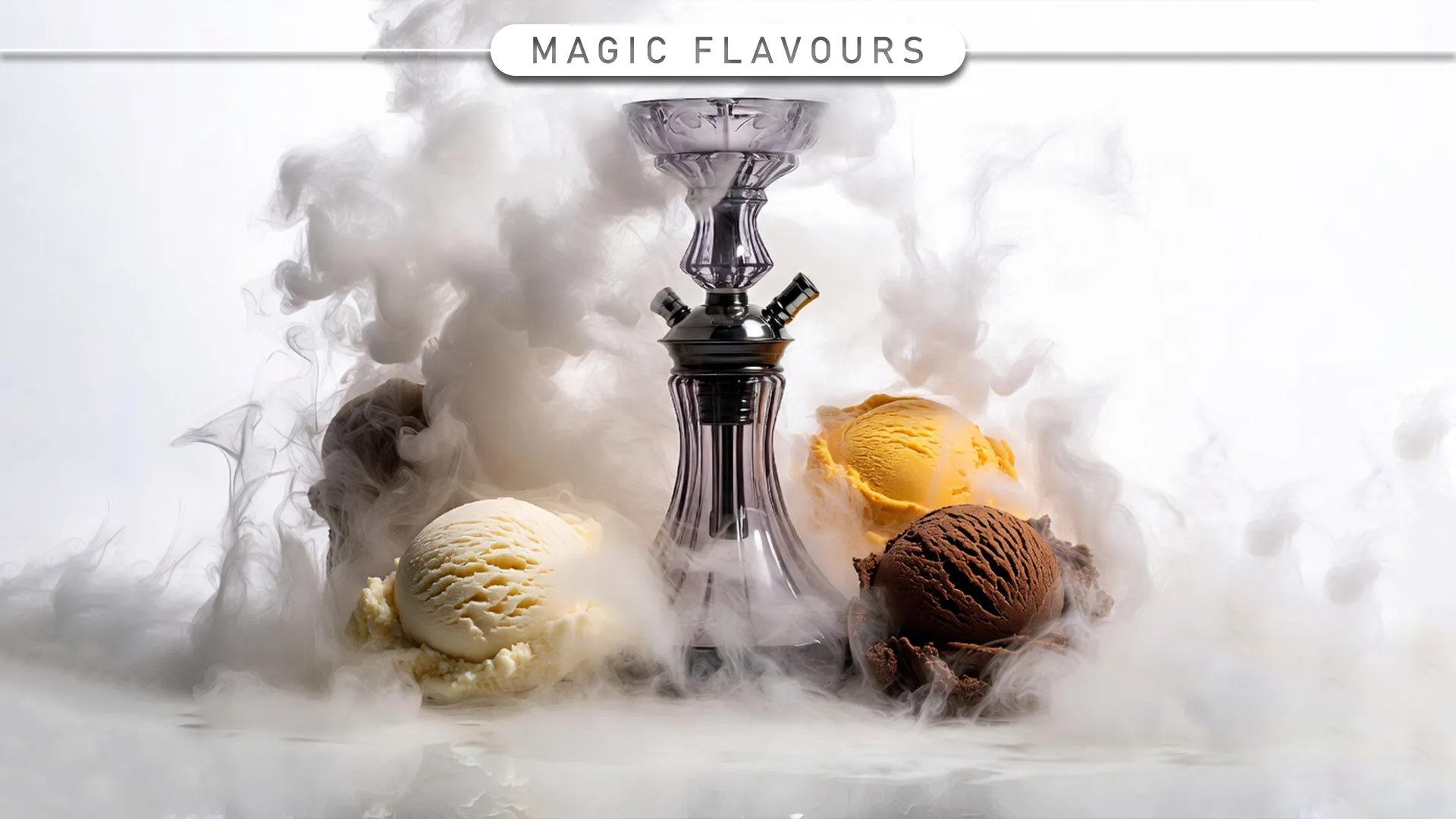
Vanilla, saffron, and chocolate ice cream scoops beside a hookah with rising smoke, representing ice cream shisha flavors

How Ice Cream Shisha Flavors Are Creating New Market Opportunities

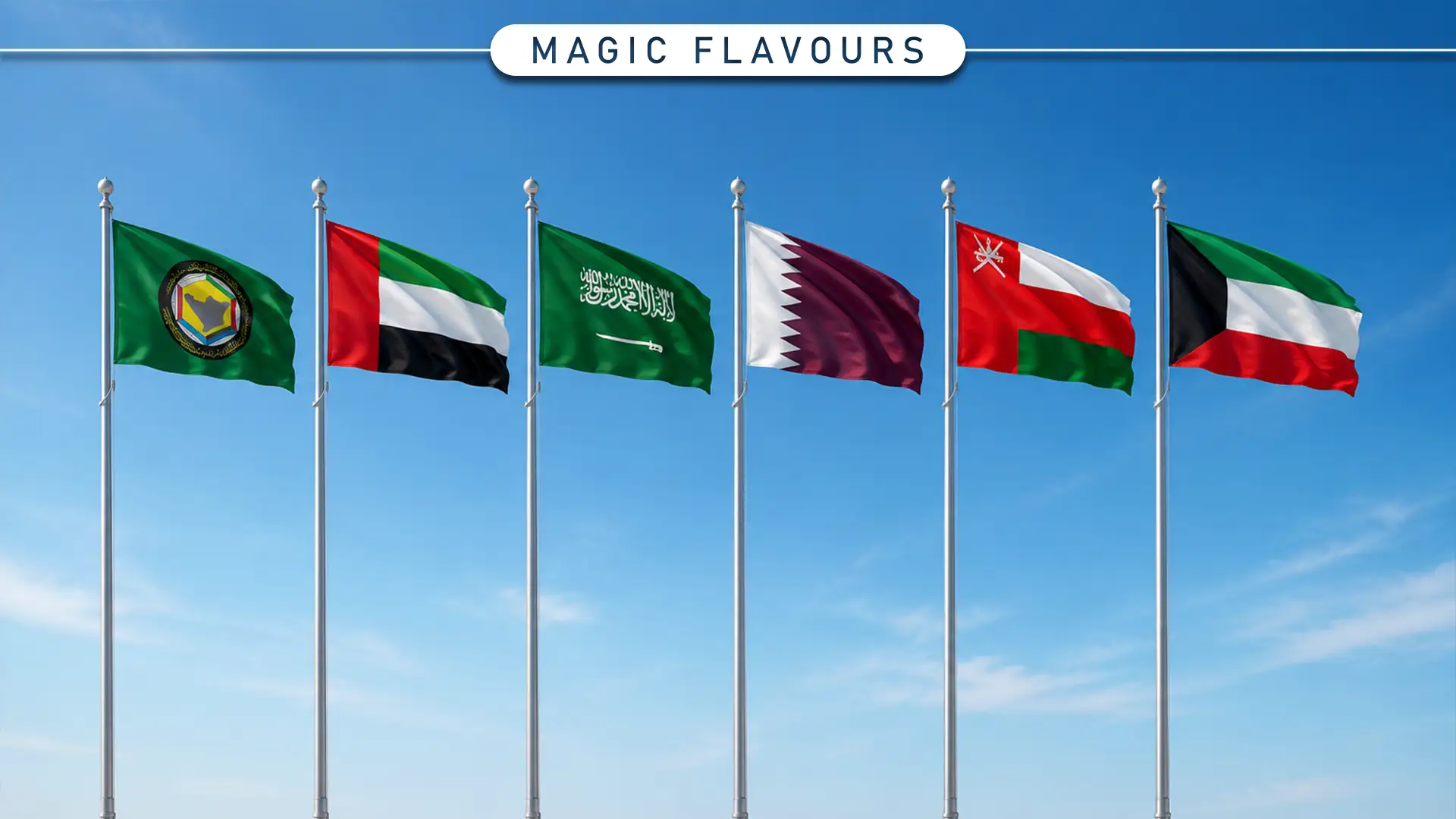
GCC countries flags illustrating shisha flavor preferences across the Gulf market

GCC Shisha Flavor Preferences: What Manufacturers Need to Know

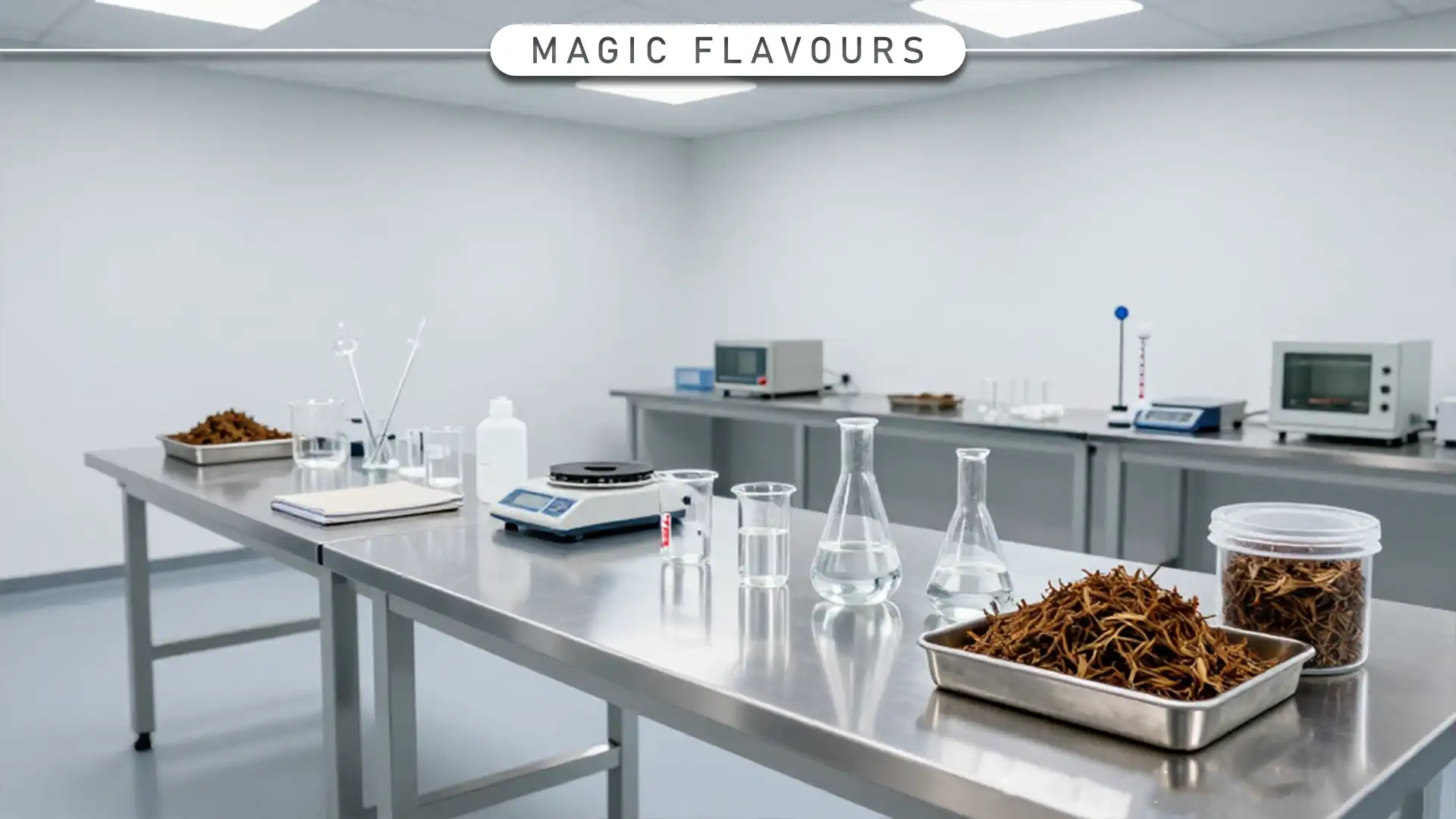
Laboratory testing of shisha flavors before product quality evaluation

Why Lab Testing for Shisha Flavors Matters Before You Buy

Custom flavor development by a professional flavor maker in a modern laboratory

Why Custom Flavor Development Matters When You Choose a Flavor Maker

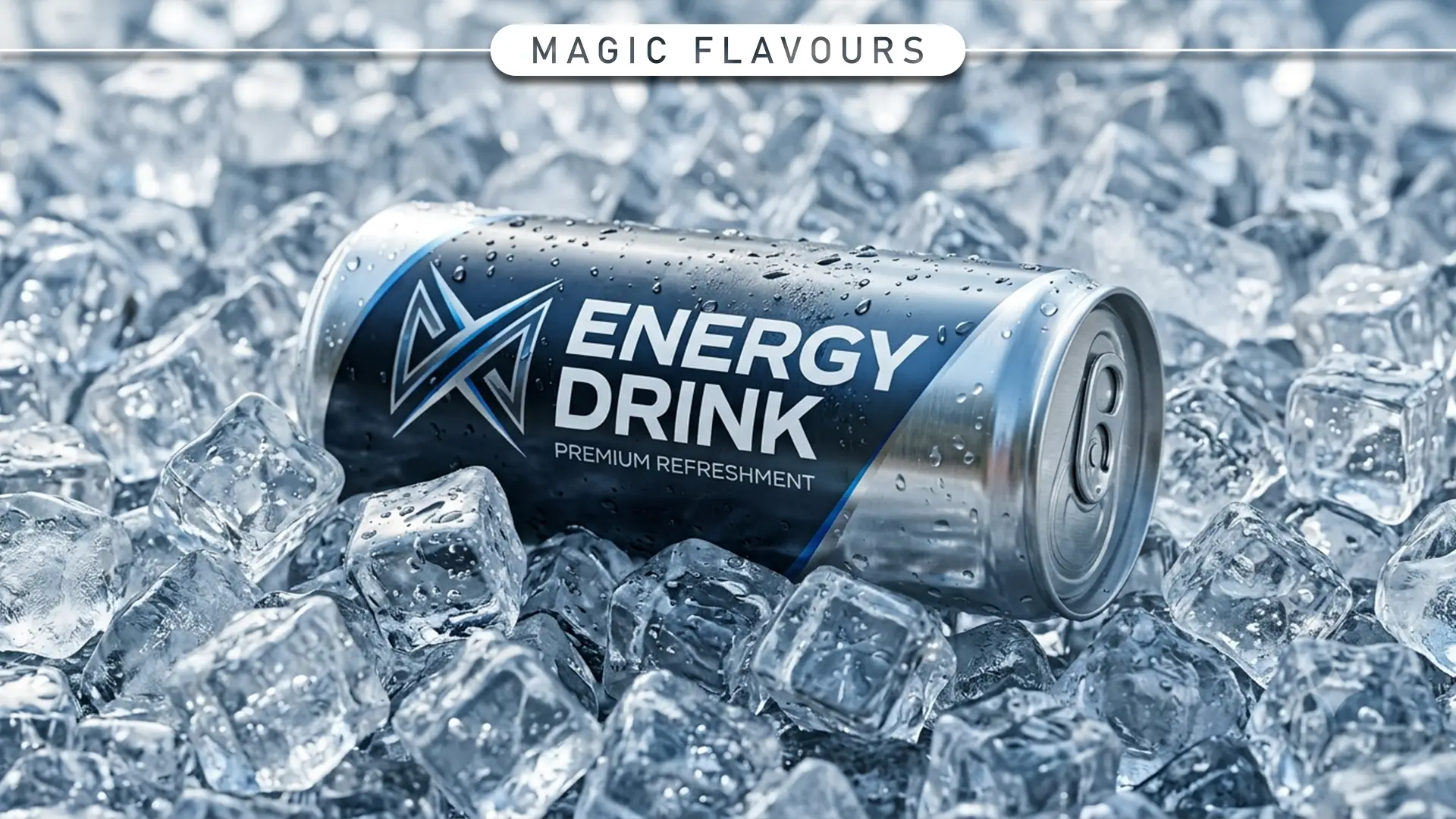
Can of energy drink representing the energy drink shisha flavor with ice cubes.

Everything to Know About Energy Drink Shisha Flavor

Page1 Page2 Page3 Page4 Page5 Page6 Page7 Page8 Page9 Page10 Page11 Page12
Magic Flavours Logo

Get Professional Solutions, Services or a Greater Tomorrow

Quick Links

  • Home
  • Solutions
  • Sustainability
  • Business Consultation
  • Blog
  • About Us
  • Reach Us
  • Home
  • Solutions
  • Sustainability
  • Business Consultation
  • Blog
  • About Us
  • Reach Us

Industries

  • Beverages
  • Dairy
  • Confectionery
  • Shisha / Hookah
  • Colors
  • Tobacco
  • Bakery
  • E-liquids
  • Beverages
  • Dairy
  • Confectionery
  • Shisha / Hookah
  • Colors
  • Tobacco
  • Bakery
  • E-liquids

Offices

IRAQ / Erbil
Turkey / Istanbul

Call Us: (+90) 536 591 3990

Email Us: Info@magicflavours.com 

Copyright © 2025 Magic Flavours All rights reserved.

  • Home
  • Solutions
  • Sustainability
  • Business Consultation
  • Blog
  • About Us
  • Reach Us
  • Request A Sample
  • Language
    • English
    • Arabic
    • Turkish
    • Persian