


Choosing the right flavor is more than selecting a popular taste. For tobacco, food and beverage brands, flavor is a strategic product decision that connects consumer preferences, market expectations, product characteristics and brand positioning.
A flavor that succeeds in one market may perform very differently in another. The challenge is therefore not simply finding a good flavor, but learning how to choose the right flavor for a specific market, category and consumer.
Why Flavor Selection Is a Market Decision
Successful flavor development starts before the first laboratory trial. Product developers need to understand who the product is for, where it will be sold and what consumers expect from the category.
Age, cultural background, consumption habits, regional taste preferences and willingness to try new experiences can all influence flavor acceptance. This is why relying solely on global flavor trends can be risky. A trend may create an opportunity, but it does not automatically translate into local consumer acceptance.
The strongest flavor concepts connect a market opportunity with a clear consumer need.
The article below might also interest you
What makes consumers choose one flavor over another?
Discover how psychology, culture, memory and emotion shape flavor preferences in our article on the[psychology of flavors]
1. Start with Your Target Consumer
The first question should be:
Who are we developing this product for?
Different consumer groups can have different expectations around sweetness, acidity, freshness, richness, intensity and overall sensory character.
Understanding these differences helps brands decide whether to pursue a familiar flavor, introduce a new profile or create a combination that sits between the two.
Consumer analysis should consider more than demographics. Product developers should also evaluate:
- Usage occasions: When, where and how is the product consumed?
- Sensory expectations: What flavor characteristics are already associated with the category?
- Familiarity: Which flavor profiles are immediately recognizable to the target market?
- Openness to innovation: How much novelty is appropriate?
- Cultural context: Which ingredients, combinations and sensory cues have local relevance?
2. Match the Flavor to the Product Category

A flavor cannot be evaluated independently from its application.
Beverages, confectionery, bakery, dairy, tobacco products and other categories have different sensory environments and technical requirements. The same fruit, citrus, creamy, botanical or spicy profile can behave differently depending on the product’s matrix, processing conditions, pH, fat content, ingredient interactions and storage conditions.
For this reason, learning to choose the right flavor means weighing both sensory appeal and technical compatibility.
A flavor that performs well in one application may require significant adjustment in another. Processing, temperature, pH, fat content, competing ingredients and storage can all influence flavor perception and stability.
The right question is therefore not simply:
“Does this flavor taste good?”
It is:
“Does this flavor perform as intended in the finished product?”
3. Consider Regional Taste Preferences
Globalization has made consumers more familiar with international flavors, but local preferences remain important.
A practical way to choose the right flavor for a market is to consider four connected factors:
Local Familiarity
Consumers may respond more readily to flavors and ingredients they already recognize. Familiarity can provide a sensory anchor for a new product while reducing the barrier to trial.
Category Expectations
Consumers develop expectations from the products already available in a category. A flavor may be technically interesting but still feel inappropriate if it conflicts with established category conventions.
Sensory Intensity
The same flavor direction can be perceived very differently depending on intensity. Sweetness, acidity, freshness, richness, bitterness, aroma and overall flavor impact may need to be adapted to the expectations of a particular market.
Cultural Context
Food traditions, consumption habits and regional preferences can influence how consumers interpret particular ingredients and combinations. A profile that feels familiar and appealing in one market may feel unusual or overly intense in another.
A strong market-specific strategy does not necessarily mean creating a completely local flavor. Often, the more effective approach is to combine a familiar local sensory anchor with an international or innovative influence.
Instead of asking:
“What is the best flavor?”
Product developers should ask:
“What flavor makes the most sense for this market, this category and this consumer?”
That shift in perspective can significantly improve product development decisions.
4. Balance Familiarity and Innovation
One of the most useful principles in flavor development is finding the right balance between familiarity and novelty.
A completely familiar flavor may struggle to differentiate a new product. On the other hand, an extremely unfamiliar profile can create a barrier to trial.
A practical solution is to start with an approachable flavor and introduce innovation through a secondary note, pairing or sensory twist. For example, a recognizable fruit profile might be complemented by citrus, botanical, spice or other nuanced notes.
The objective is not novelty for its own sake. It is meaningful differentiation that consumers can understand and appreciate.
5. Connect Flavor with Product Positioning
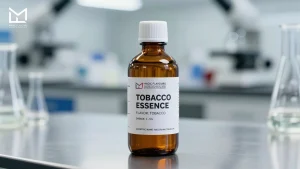
Flavor should reinforce the product’s positioning rather than contradict it.
A refreshing beverage may benefit from bright fruit or citrus characteristics. A premium product may require a more sophisticated and layered flavor profile. A product positioned around familiarity or tradition may benefit from recognizable sensory cues, while an innovation-focused concept may justify a more distinctive combination.
Flavor can also contribute to emotional positioning—such as comfort, indulgence, freshness, nostalgia or discovery.
This is why defining the product concept and positioning before deciding how to choose the right flavor direction is essential. The flavor should answer a broader brand question:
What should the consumer expect to experience when they choose this product?
6. Use Flavor Trends as Signals, Not Instructions
Flavor trends are valuable sources of inspiration, but they should not become a substitute for market research.
Emerging combinations, regional ingredients and new sensory experiences can reveal where consumer interest is moving. However, the strongest product concepts translate a trend into something relevant to a specific category and target audience.
A practical development pathway is:
Trend → Market Opportunity → Consumer Insight → Flavor Concept → Application Testing → Product Validation
This approach is more reliable than simply selecting a flavor because it appears on a list of current trends.
The real question is not whether a flavor is trending, but whether the trend represents a relevant opportunity for the specific product, market and consumer.
7. Test, Adapt and Validate Before Scaling
A promising flavor concept still needs to prove itself in the finished product. Knowing how to choose the right flavor on paper is not the same as confirming it works in practice, so professional flavor validation should be considered across three complementary dimensions:
Sensory Validation
Does the flavor deliver the intended sensory experience?
Sensory evaluation can help assess flavor identity, intensity, balance, aroma, sweetness, acidity, mouthfeel and aftertaste. The objective is not simply to determine whether a flavor is pleasant. It is to establish whether the sensory profile matches the intended consumer, category and product positioning.
Technical Validation
Does the flavor perform appropriately in the application?
Technical validation considers factors such as the product matrix, processing conditions, pH, fat content, ingredient interactions, stability and storage conditions. A flavor that performs well during an initial bench trial may require further adjustment when evaluated under actual or representative production conditions.
Commercial Validation
Does the flavor make sense for the target market and product strategy?
Commercial validation connects sensory and technical results with the broader business case.
Key questions include:
- Does the flavor fit the target consumer?
- Does it support the intended product positioning?
- Is the level of differentiation appropriate?
- Does it fit the category and market?
- Can the desired profile be reproduced consistently at commercial scale?
Together, these three dimensions create a more complete validation framework:
Sensory Fit + Technical Performance + Commercial Relevance
For products entering a new market, local consumer feedback can also reveal differences that laboratory evaluation alone may not capture.
Validation reduces the risk of investing heavily in a flavor concept before its sensory, technical and commercial potential is understood.
8. When Custom Flavor Development Makes Sense

Off-the-shelf flavors can be an efficient starting point, but they may not always provide the exact sensory profile a product requires.
Custom flavor development becomes particularly valuable when a brand needs to:
- Create a distinctive flavor profile
- Adapt a flavor to a specific market
- Improve compatibility with a complex product matrix
- Modify intensity, balance or aftertaste
- Reproduce a specific sensory target
- Develop a flavor aligned with a unique brand positioning
Custom development is especially valuable when sensory objectives and technical requirements need to be addressed simultaneously.
The result is not simply a different flavor. It is a flavor solution developed around the product, consumer and market.
A Practical Framework for Flavor Selection
Before moving from concept to development, product teams can use a simple framework to choose the right flavor with confidence:
| Development Stage | Key Question |
| Market | Where will the product be sold? |
| Consumer | Who will buy and consume it? |
| Category | What sensory expectations already exist? |
| Product | What technical and application constraints exist? |
| Flavor | Which flavor directions fit the opportunity? |
| Innovation | How much novelty is appropriate? |
| Validation | Does the flavor work sensorially, technically and commercially? |
| Scale | Can the desired profile be reproduced consistently? |
This framework helps prevent a common product-development mistake: selecting a flavor first and trying to make the rest of the product fit around it.
The Bottom Line
The best flavor is rarely the flavor that is simply trending. It is the flavor that creates the strongest connection between consumer expectations, product performance, market preferences and brand positioning. Ultimately, learning how to choose the right flavor comes down to combining these factors deliberately rather than relying on trend alone.
For tobacco, food and beverage companies, effective flavor selection is therefore a combination of consumer insight, sensory understanding, technical expertise and product development.
The goal is not to find a universally “best” flavor. The goal is to choose the right flavor for the consumer, right for the application and right for the market.
At Magic Flavours, we approach flavor development with this broader perspective—helping brands move from an initial flavor idea toward a market-relevant, application-ready solution through customized flavor development and R&D support.
Ready to Develop the Right Flavor for Your Market?
Whether you have a specific flavor concept or need support defining the right direction, our team can help you evaluate your requirements and develop a solution tailored to your product and market.
 English
 Arabic
 Turkish
 Persian